The day after Thanksgiving we packed up and departed the Navajo National Monument. The weather forecast was predicting quite a change in the weather, with a shift to snow and cold, so we scrapped our initial list of northern New Mexico sites to visit on this trip, and made a big move south. We stopped off for a quick break at the Hubbell Trading Post National Historic Site which has been in operation since 1878.
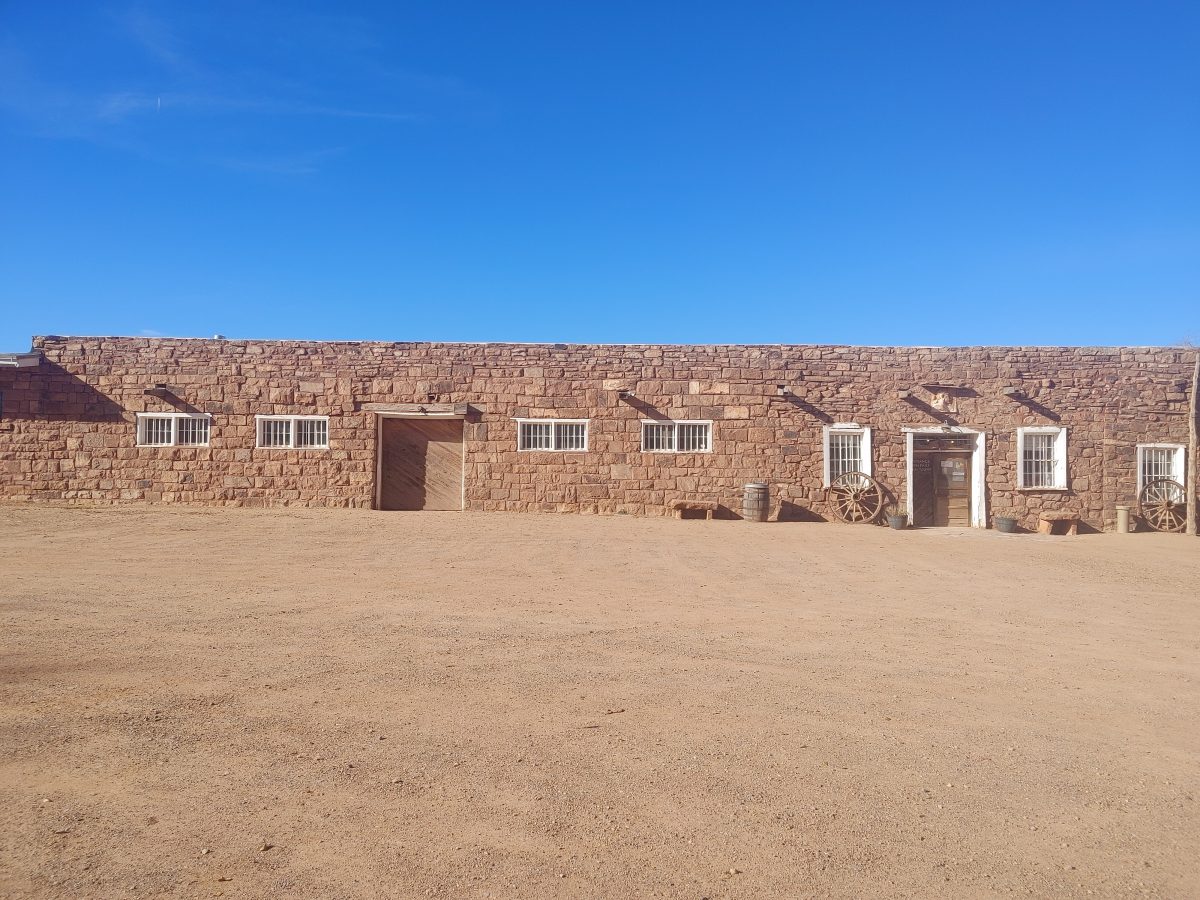
I had no idea that there were so many regional styles of Navajo Rugs, and that generally all rugs from a given region have similar patterns and colors. There were piles of them for sale with prices reflecting the large amount of work it takes to make one, We wandered the grounds and museum, picked up a couple bags of Anasazi Beans as our ‘trading’ for the day, and continued southeast.
This was a driving day, but it was all to get us where we were going the next day, the Very Large Array.
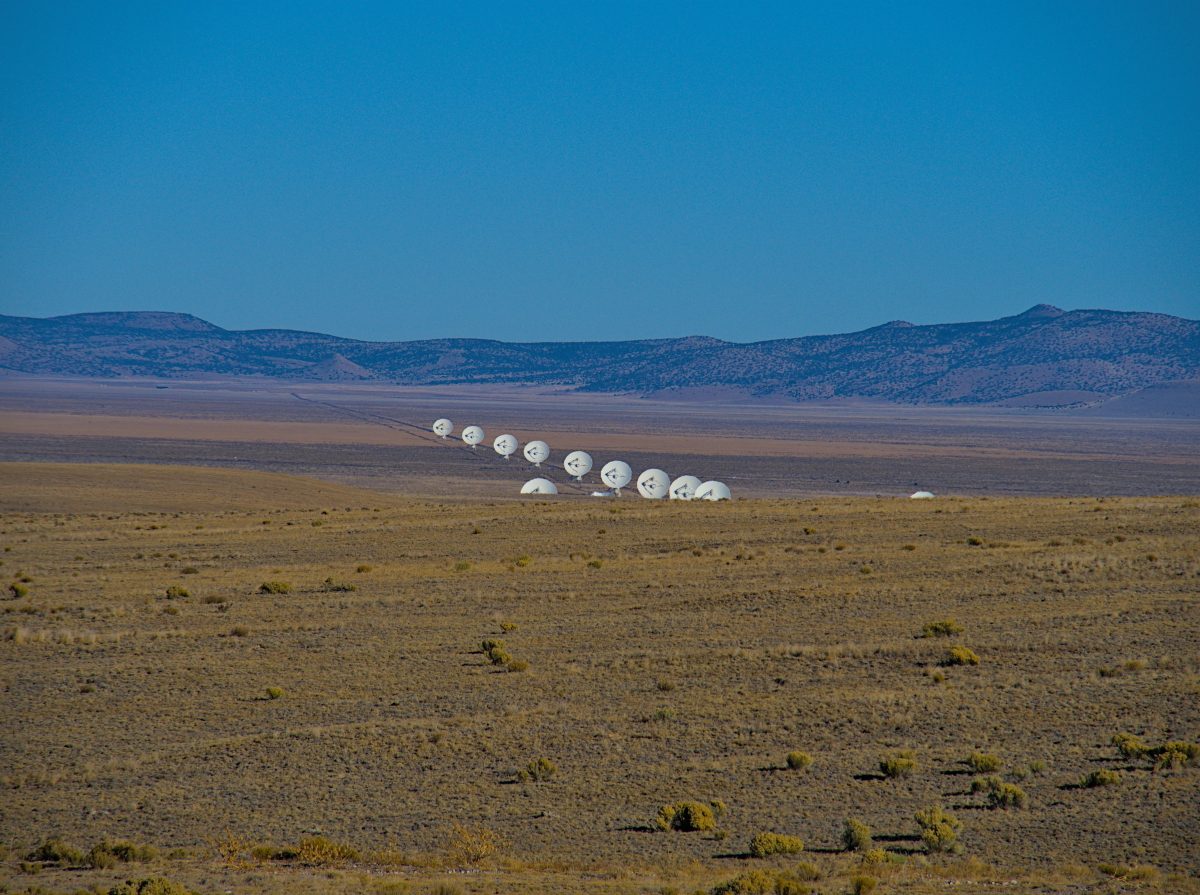
What are those huge dishes doing out in the middle of a high elevation valley in New Mexico, far from civilization? Are they beaming message to unknown beings far, far away? We were going to find out.
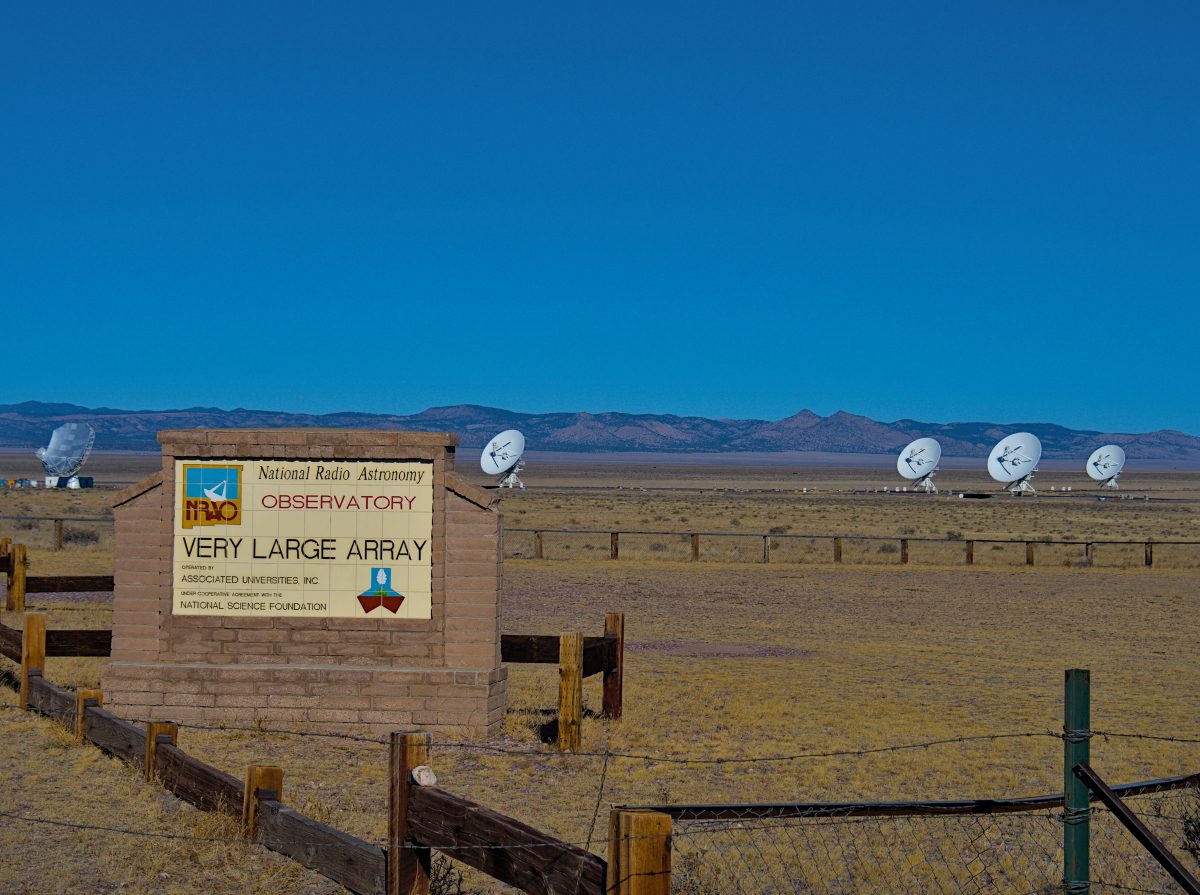
Run as a cooperative venture between the National Science Foundation and the Associated Universities, the Very Large Array functions as an observatory that uses radio waves to map the cosmos. Built during the 1970s, dedicated in 1980 and upgraded with new technology in 2012, it uses 27 dishes deployed in various configurations along a Y shaped set of tracks to receive radio waves and translate that data into images of objects in space.
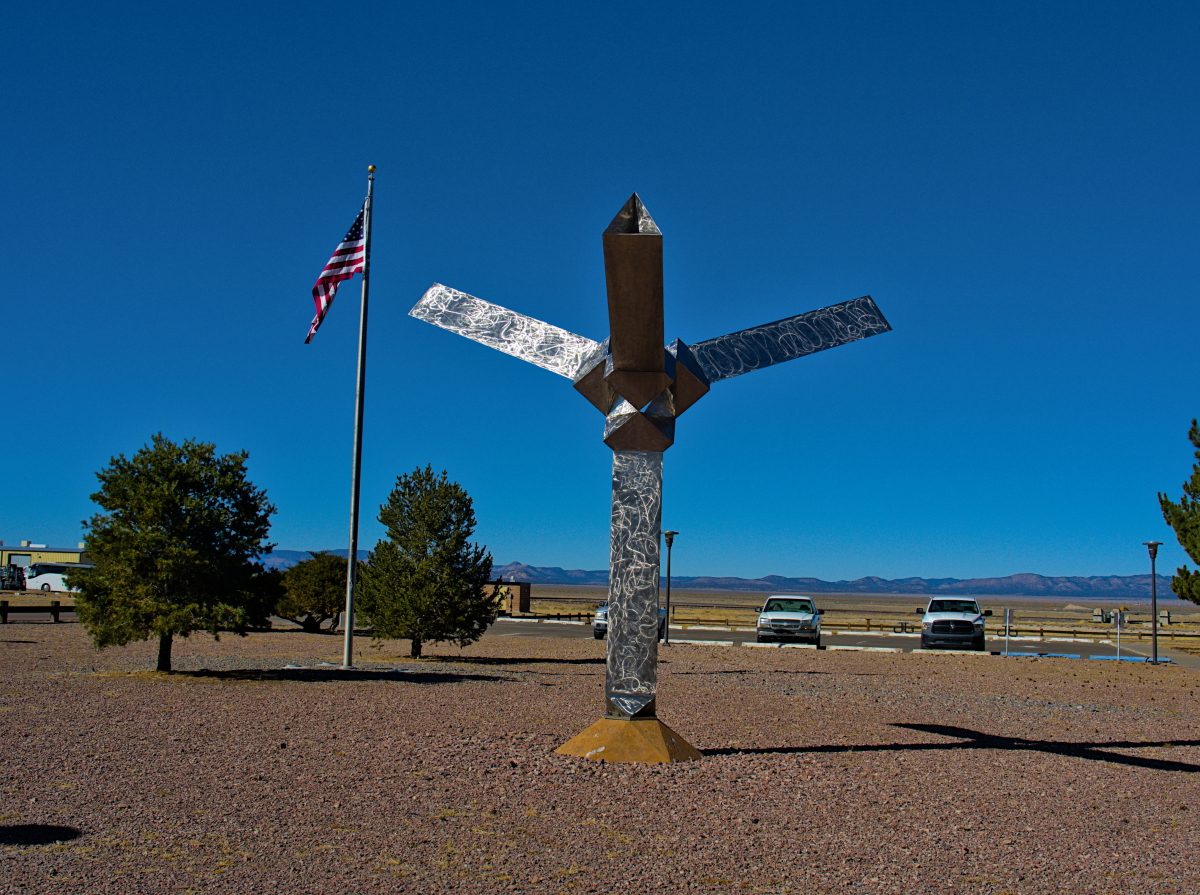
The dishes work together using the rotation of the earth and feed the radio frequencies they receive into an on site supercomputer. Taken together the Array functions as one massive telescope. Imagine the sculpture below as a representation of the Y shape that the dishes are deployed in, spinning on the shaft that is holding it. The dishes are deployed along the Y shape, and the shaft is the earth spinning them around. With each 8 hours that pass (i.e. 1/3 of 24 hours), one leg of the Y is rotated into the position of the previous leg, essentially filling in the full circle of the ‘dish’ and creating a picture of the object that the dishes are trained at. Fascinating. Well, at least to me.
I won’t attempt to describe all the research that is going on here, or recreate any of the amazing images but just for one example, it has captured a black hole emitting jets of gasses 1.5 million light years wide, (the Milky Way is 106,000 light years wide for reference) not visible with the eye, but visible through radio waves. (Yes, follow the link to check it out!) Simply amazing science.
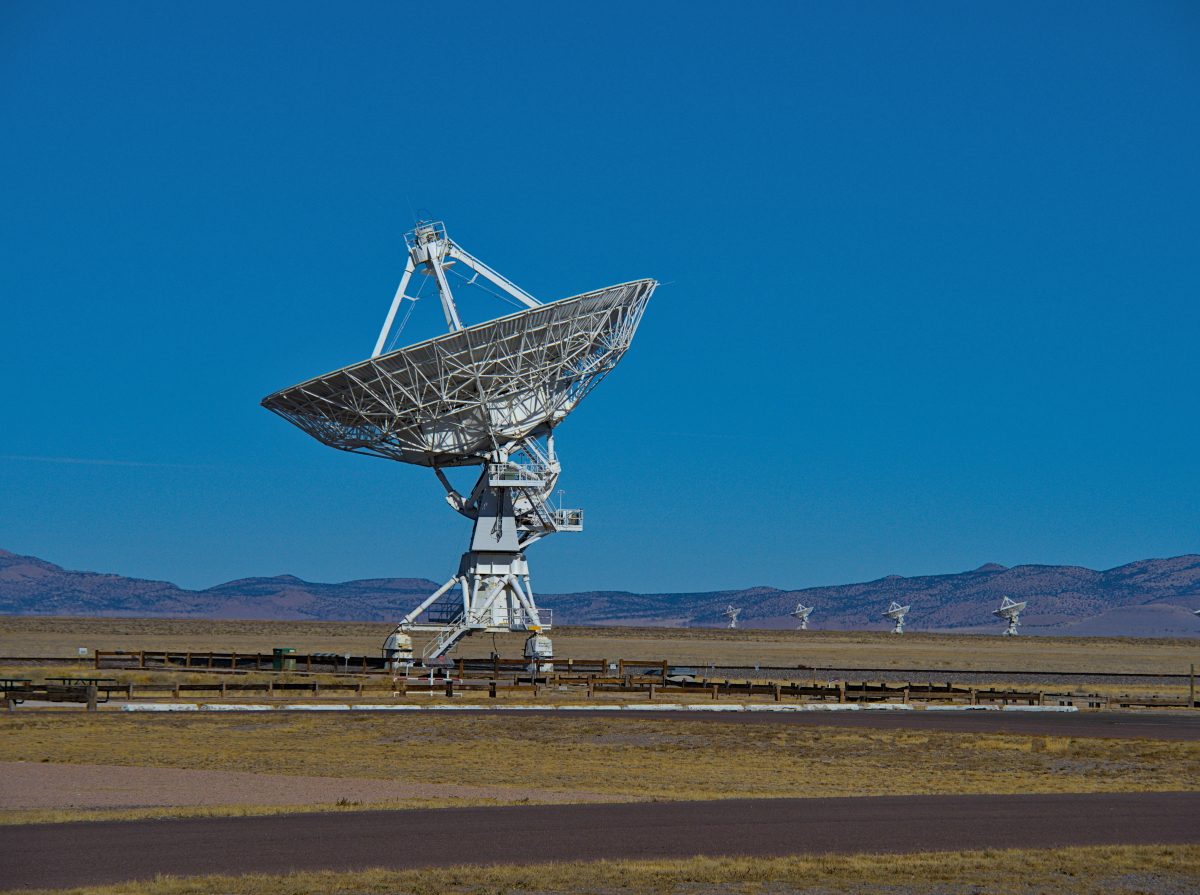
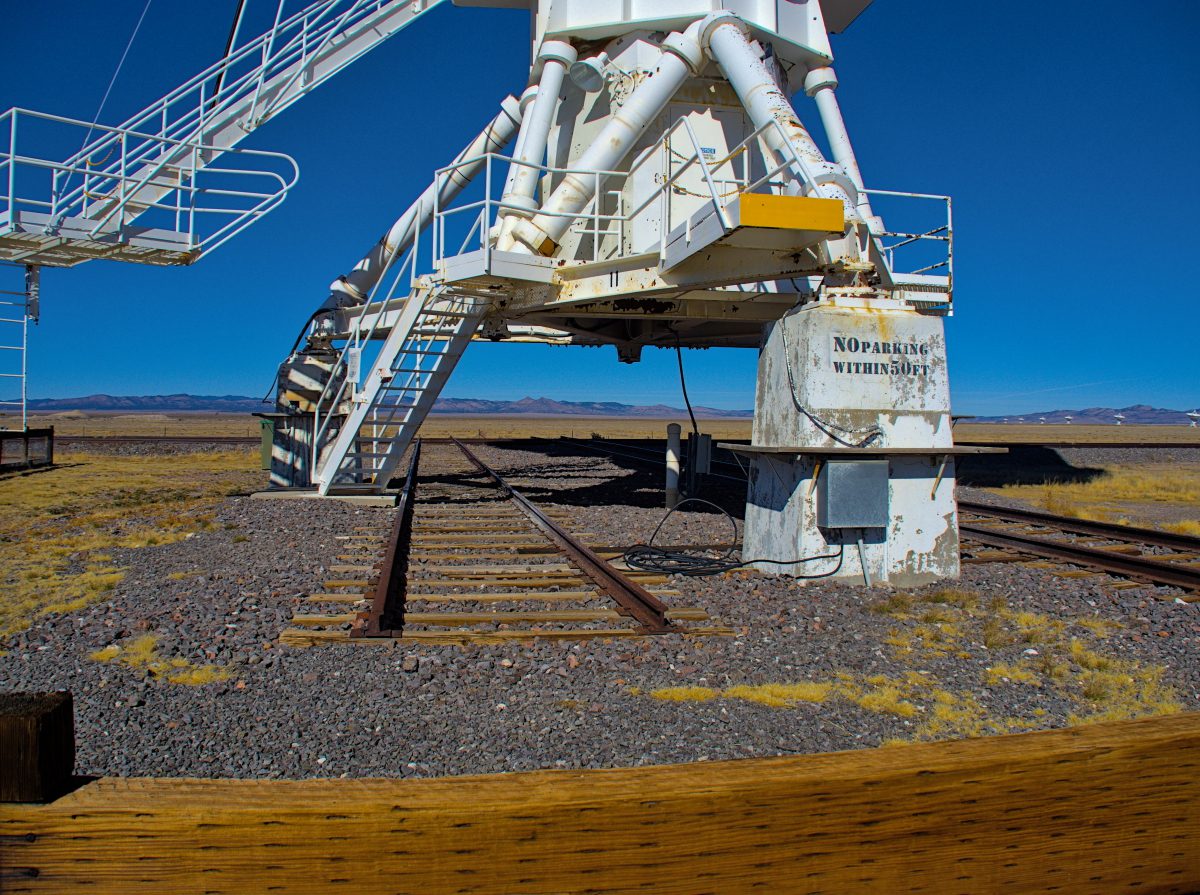
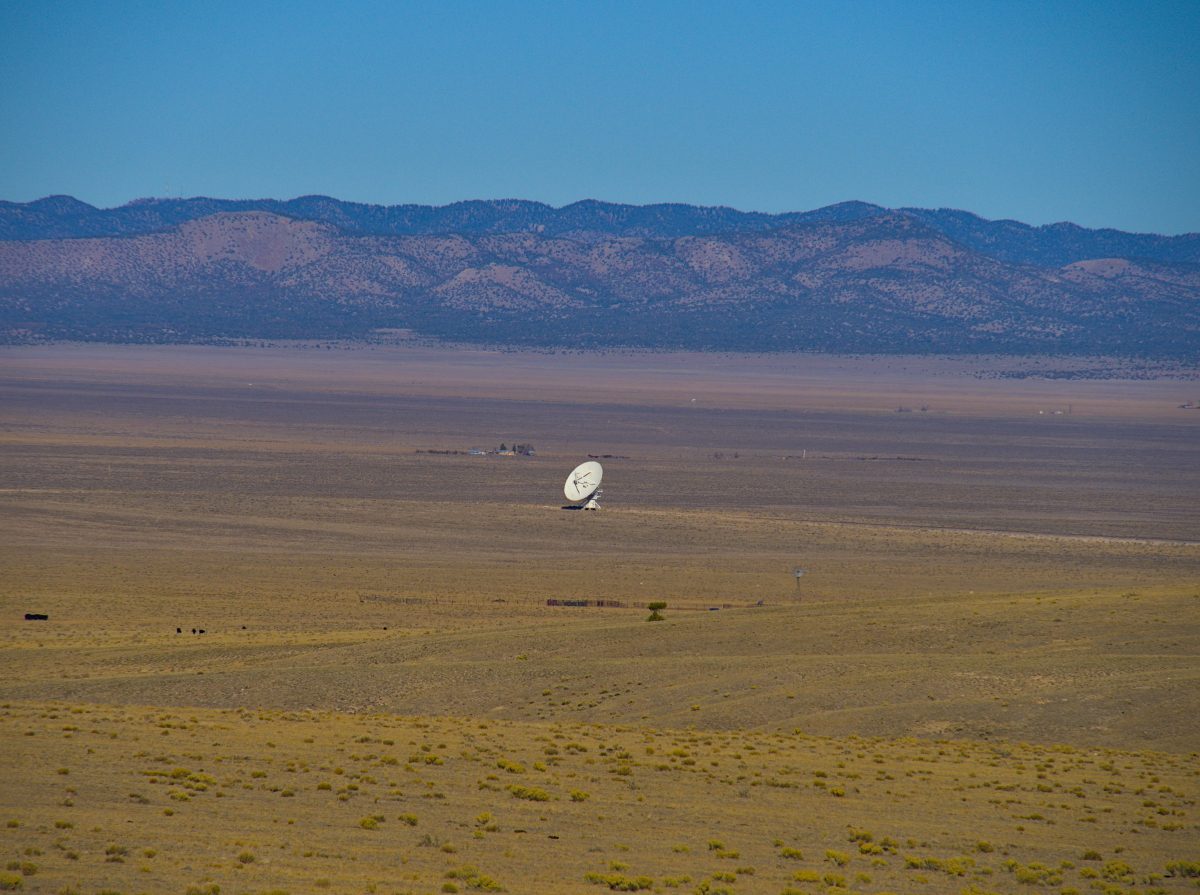
We spent about 2 hours watching the movie, listening to the talk and then taking the guided walking tour of the facility. If you are curious about the VLA but don’t really know what it’s about, take the tour.
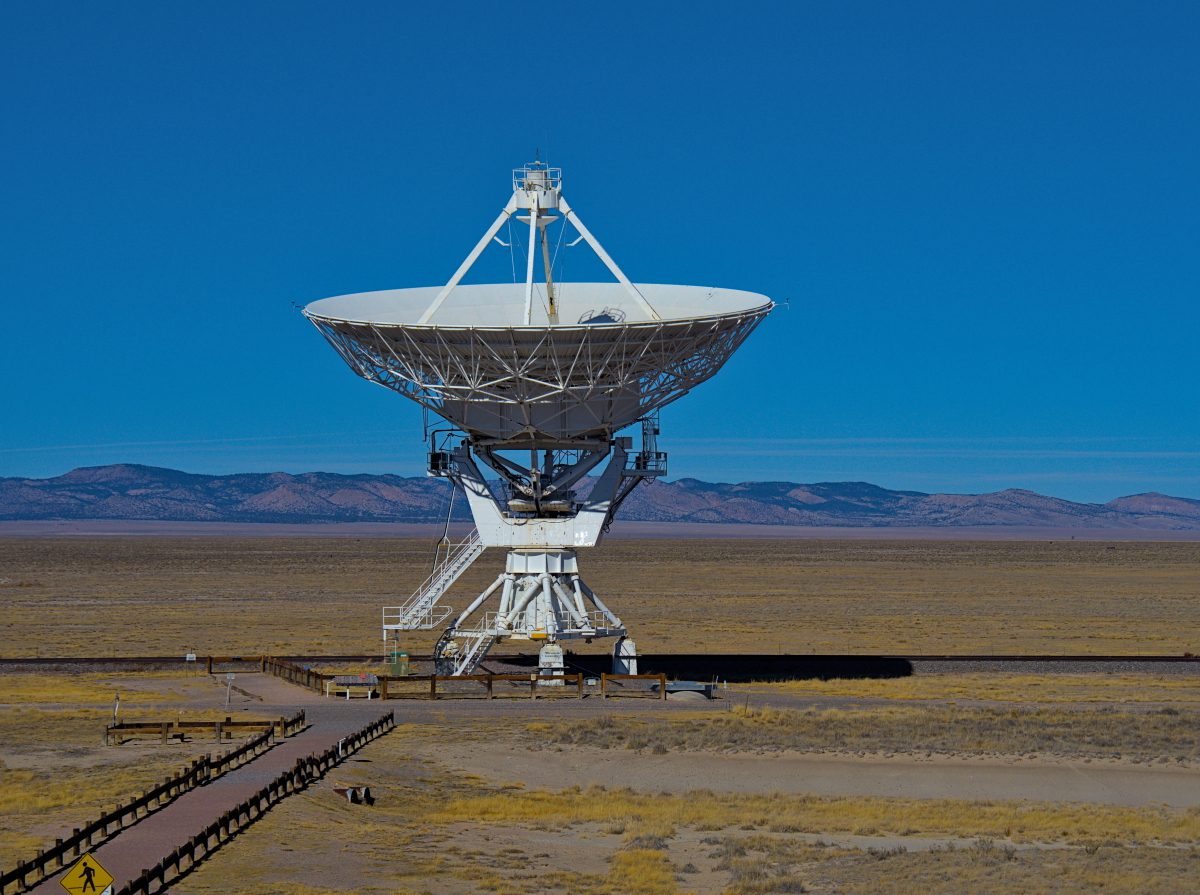
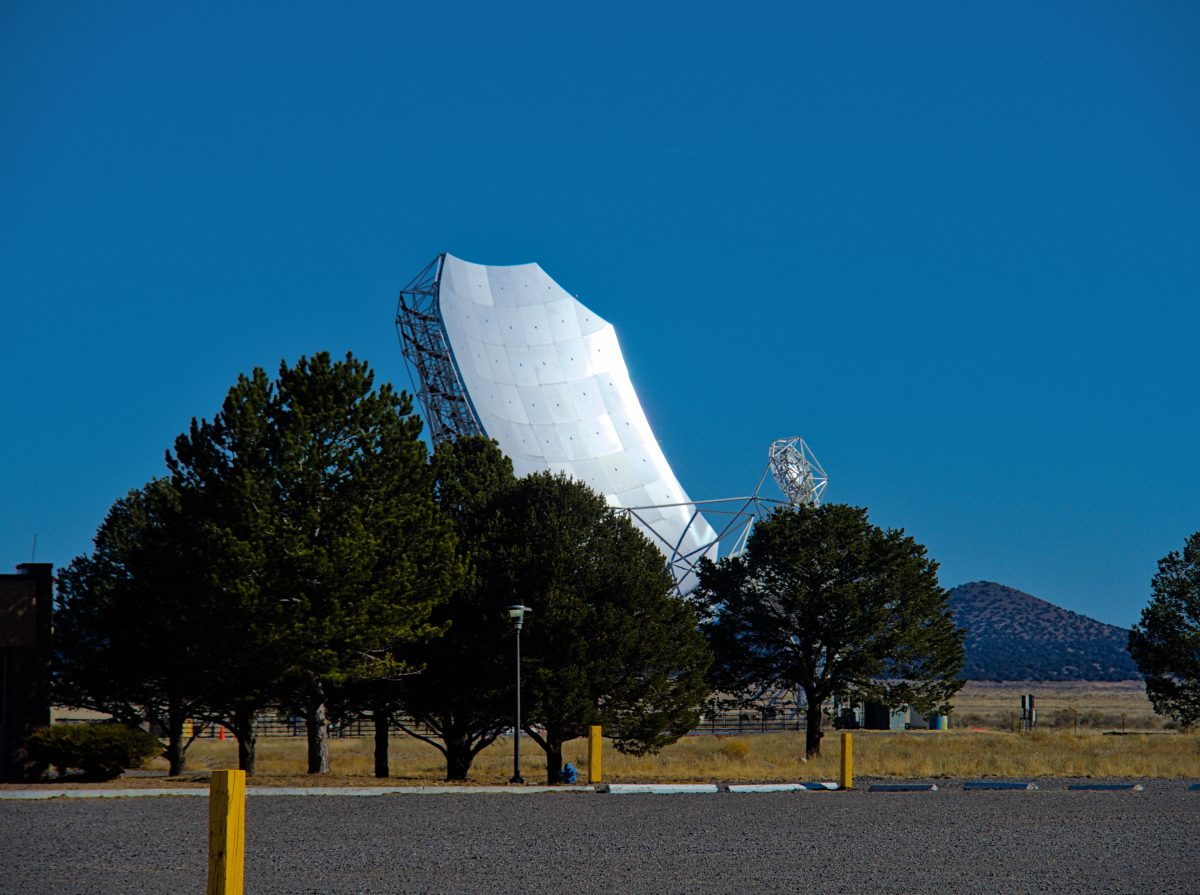
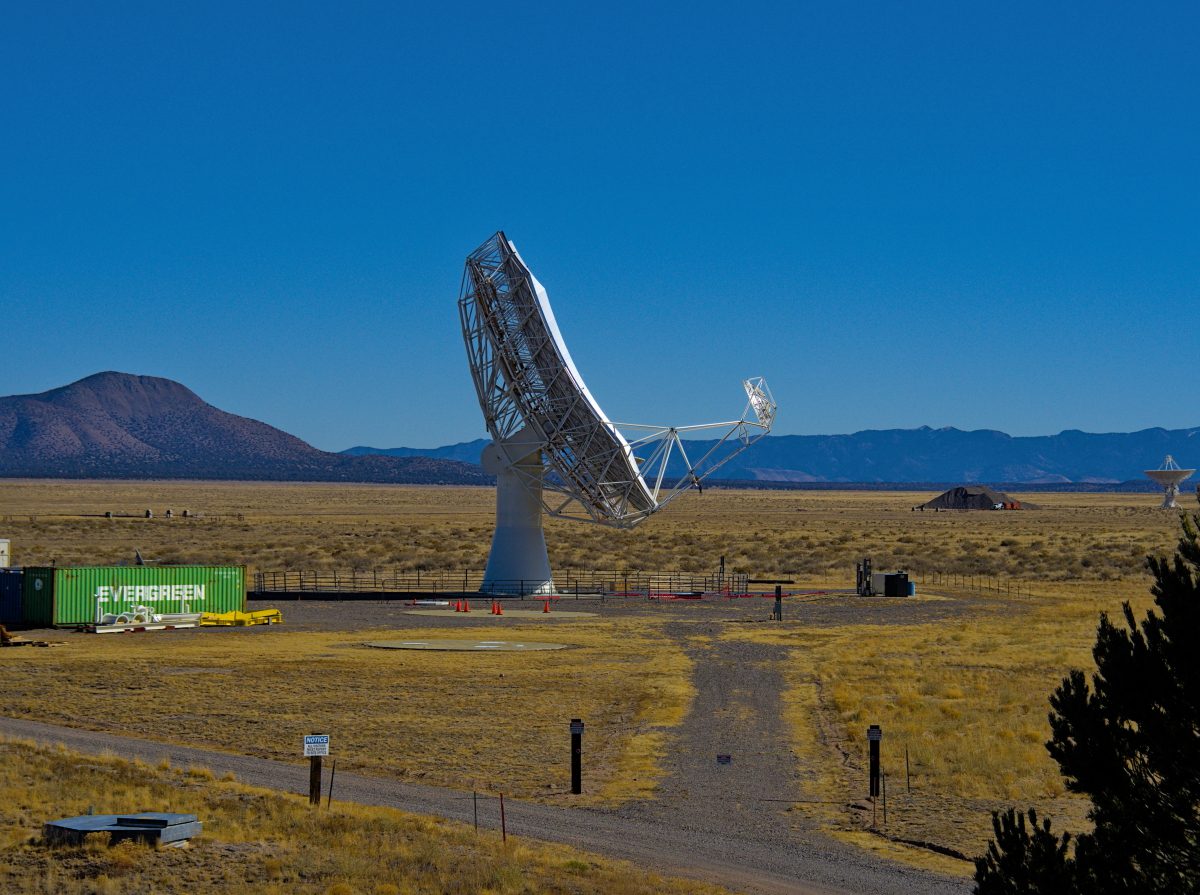
What’s next for the Very Large Array? A prototype dish of the NexGen VLA has been built and was being tested while we were visiting. The future will be dishes with more sensitivity and resolution on a much larger scale (the dishes will be spread across the country instead of 13 miles apart).
Our last stop before leaving the observatory was to go back and revisit the Bracewell Radio Sundial. It was mentioned on the tour, but just enough detail was given to pique my curiosity.
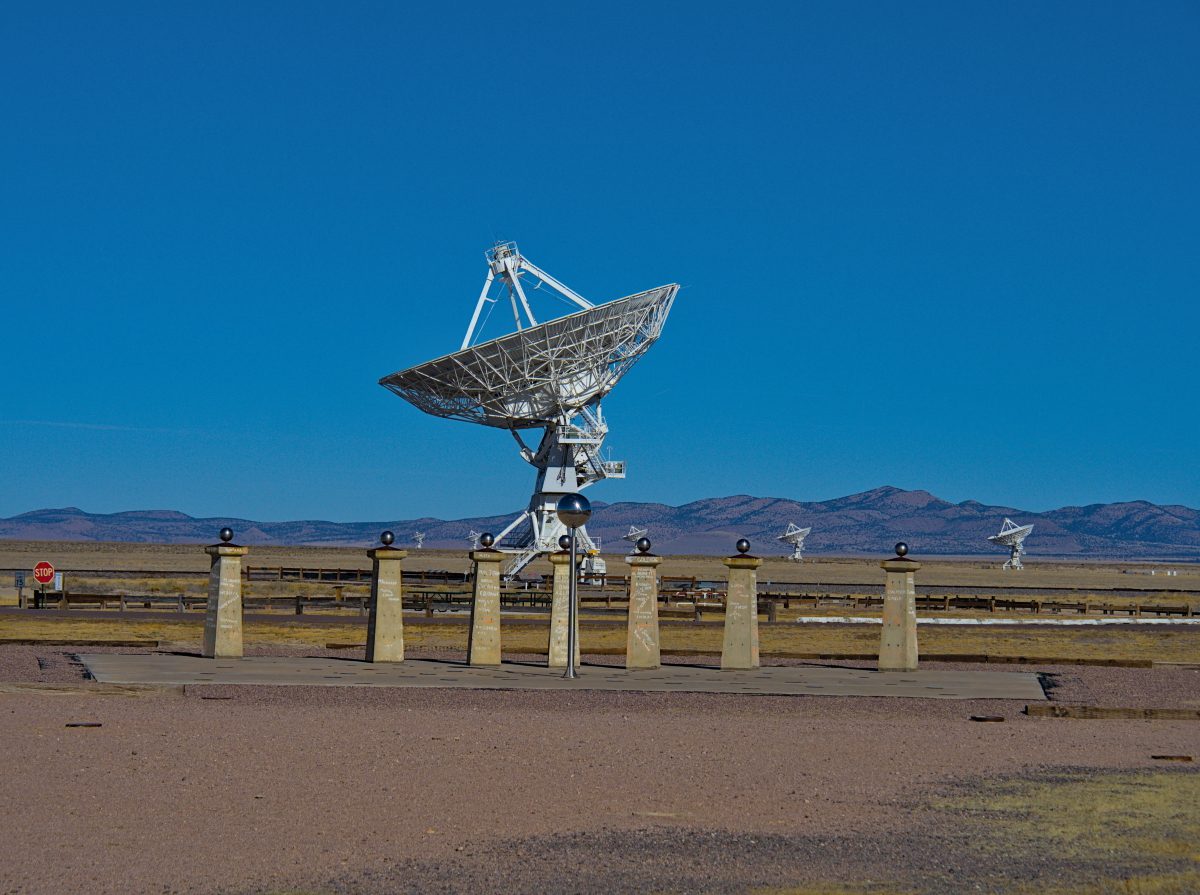
Of course most of us know that sundials use the location of the sun and a shadow to tell the solar time of day, and the radio sundial does that as well. There are also positions to tell the time of year based on the angle of the sun with tracks the sun follows during the summer solstice, equinoxes and winter solstices. It was nearing 12 solar noon, near the arc of the winter solstice when we went back to the radio sundial to figure out what was going on here (notice how the shadows have shifted from the first picture two hours earlier, to the second picture below when it is almost high noon).
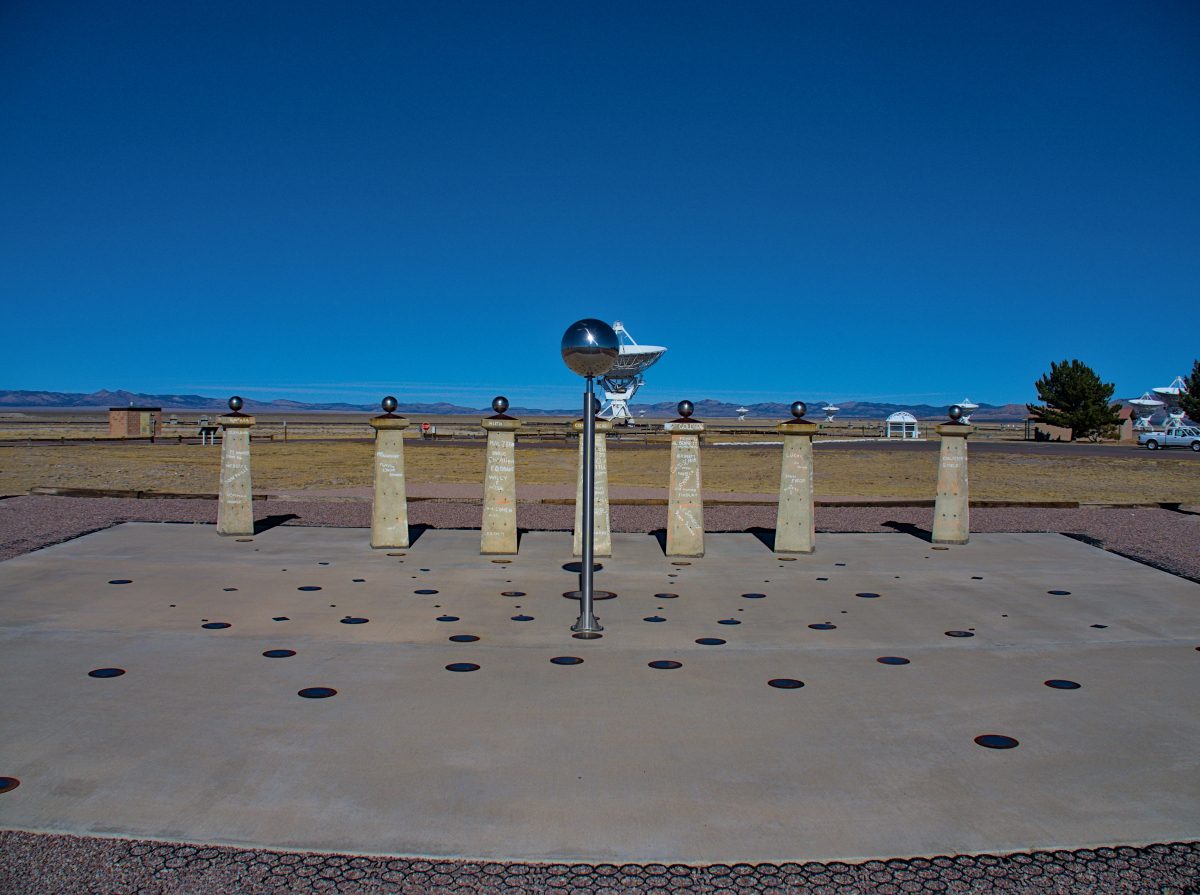
Now, flip this sundial around, and instead of facing north, you face south. Turn off the lights at night and it can also be used to track two prominent radio emitting objects located in Cassiopeia and Cygnus using the piers in the background overlapping with the central pedestal. Ingenious. Of course, this movement of the earth in relation to the sun and other stars has been known for thousands of generations. People that spent all their nights under the stars probably understood more about the movement of the stars and moon than the average human today. It was still fun to see it all laid out in such an empirical fashion for all to puzzle over.
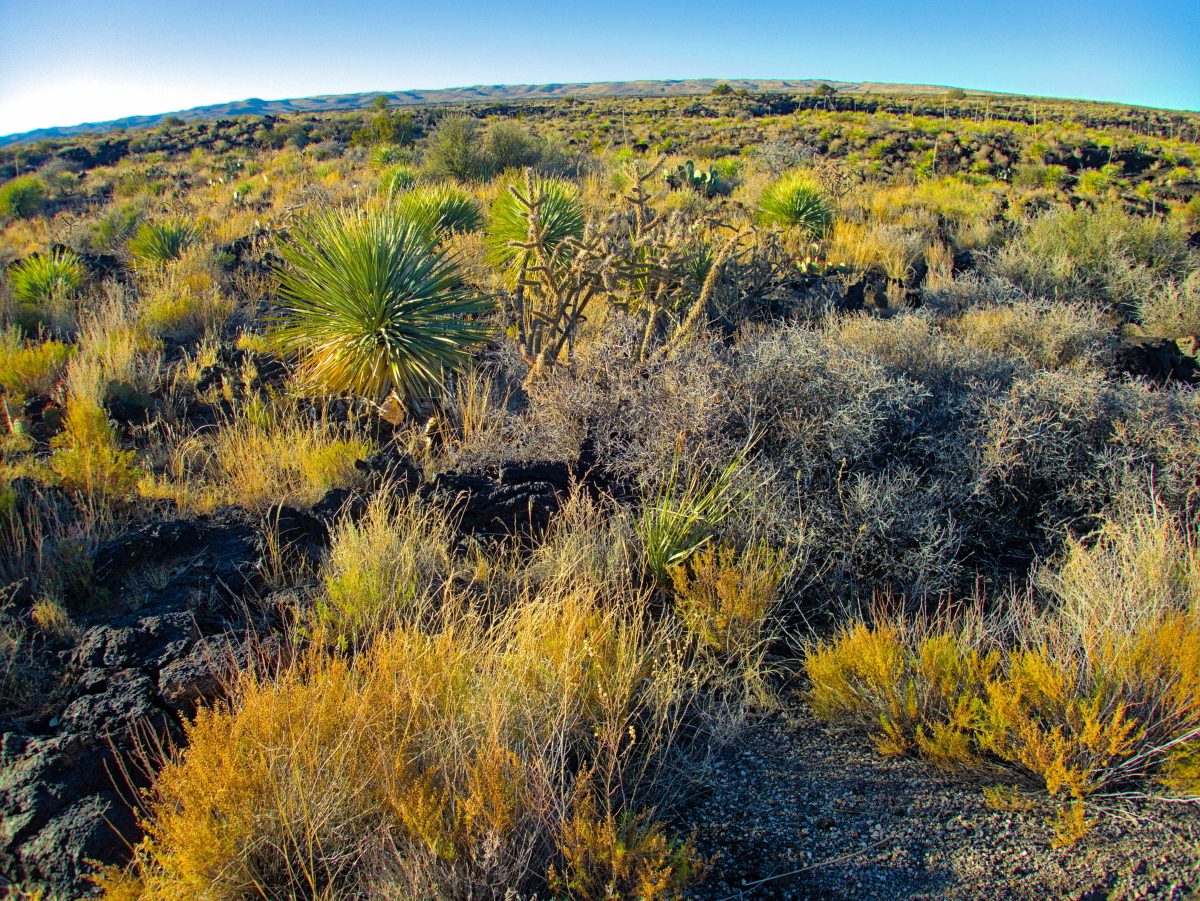
Our time at the Very Large Array had come to an end. It was time to keep moving southeast. We made our way to Valley of Fires Recreation Area for the night. Located adjacent to one of the most lush lava flows I’ve ever had the pleasure to hike around, Valley of Fires was a good stopover, hot shower and all.
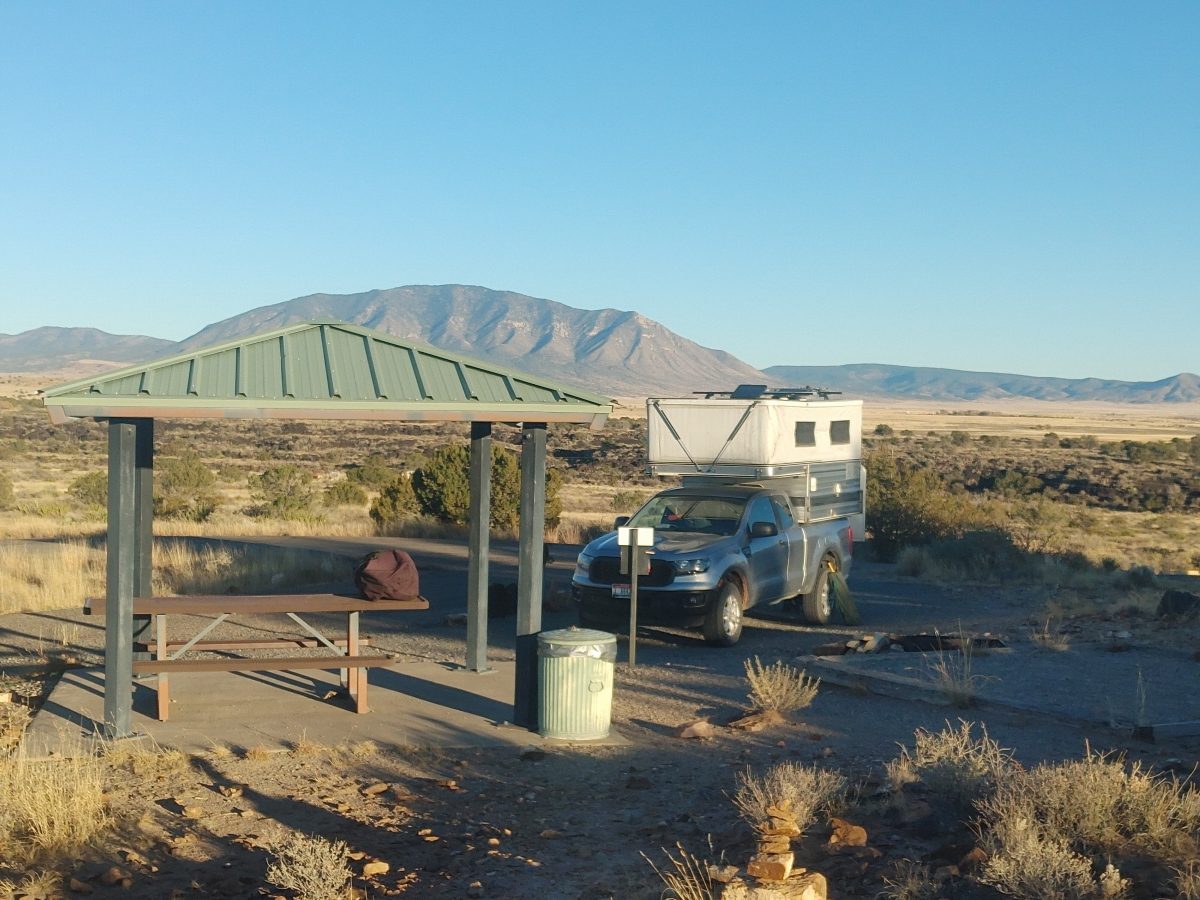
It may have been the windiest night we have ever experienced in the camper, though. There wasn’t a lot of sleep that night, but the camper made it through despite my doubts in the middle of the night. The next day we’d be moving on to our next adventure.
Pingback: Navajo National Monument – Occidentalist
Pingback: Smokey Bear Historical Park – Occidentalist