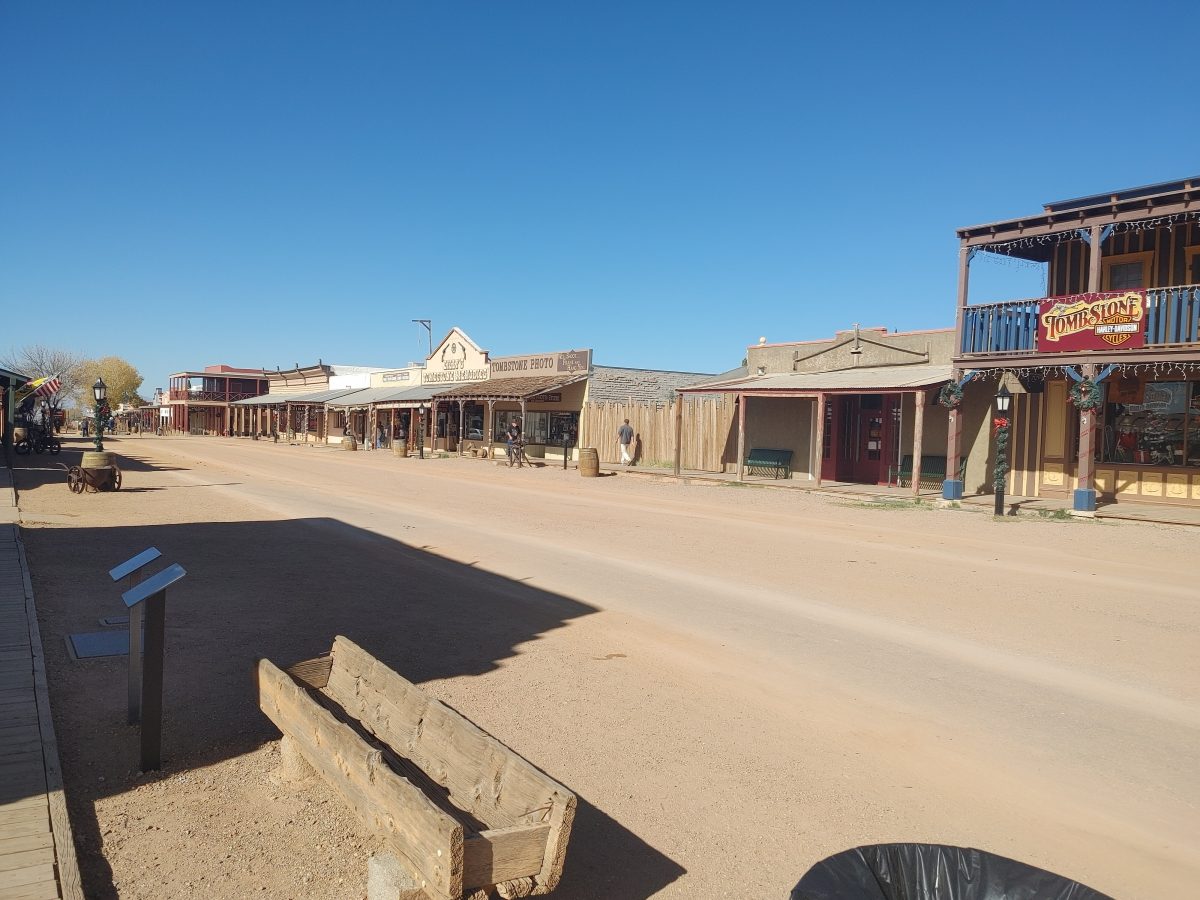
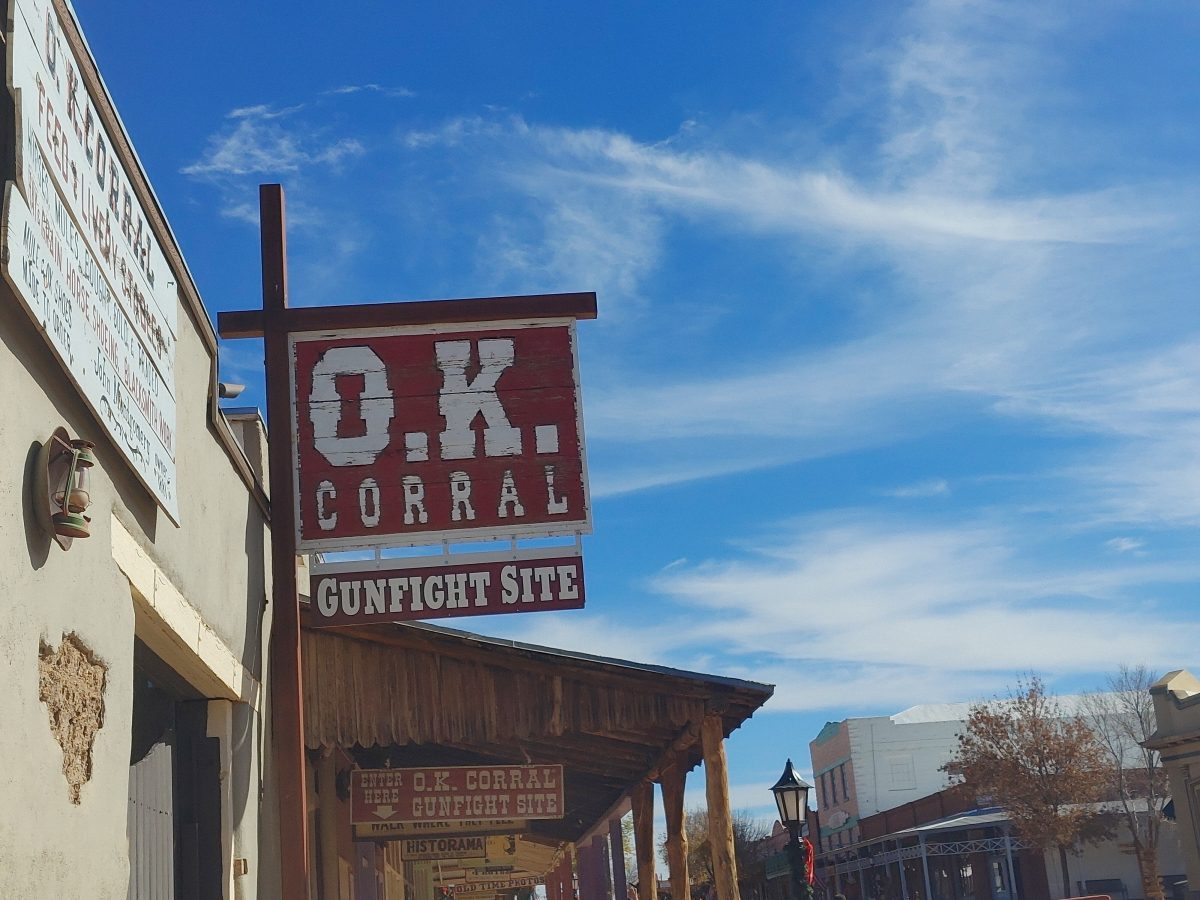
After leaving Whitewater Draw we continued our westward progress across southern Arizona. We made a brief stop in Tombstone, but as I mentioned before, there wasn’t much for us there.
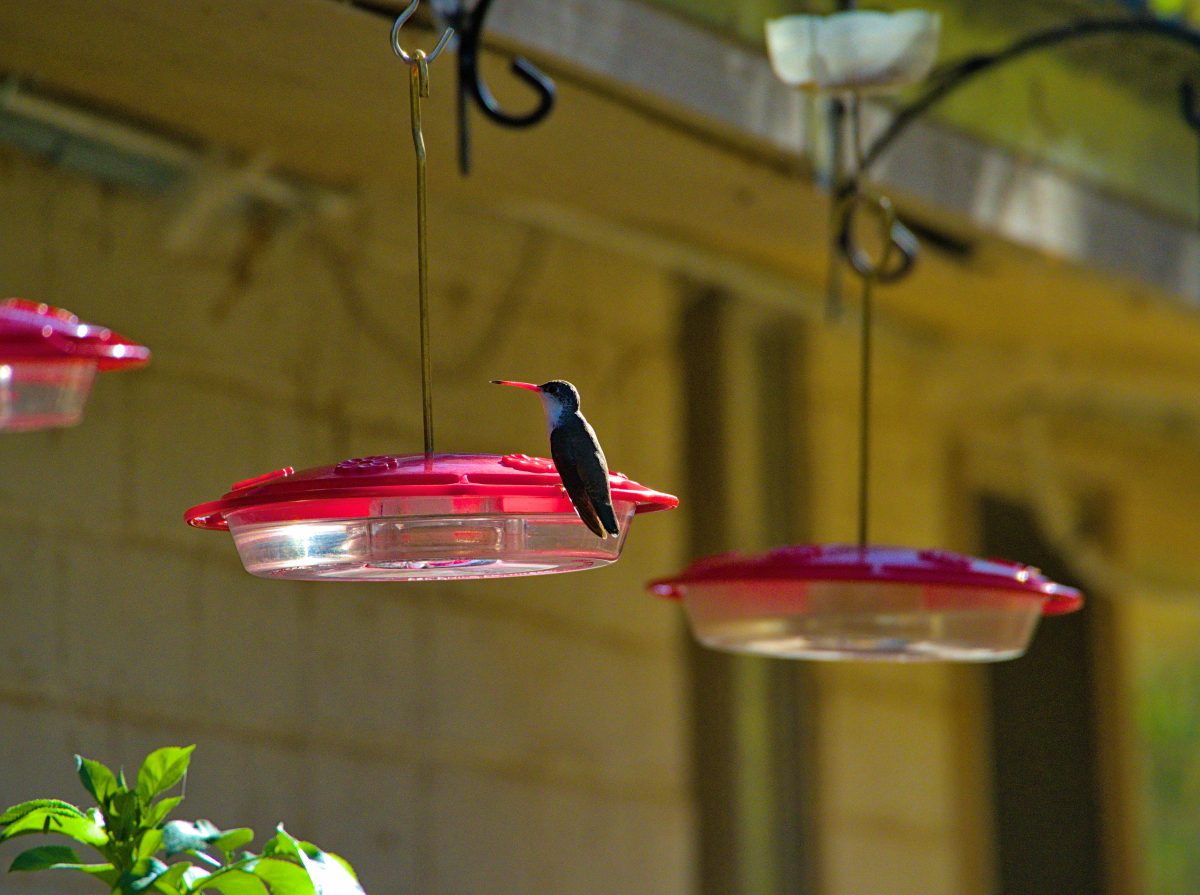
We spent the night in the Coronado National Forest near Patagonia and the next morning we headed to the Paton Center For Hummingbirds. Started in the 1970’s by Wally and Marion Paton and now operated by the Tucson Bird Alliance it illustrates what a couple can do by creating a bit habitat out of a backyard. It didn’t take long to spot our first violet crowned hummingbird.
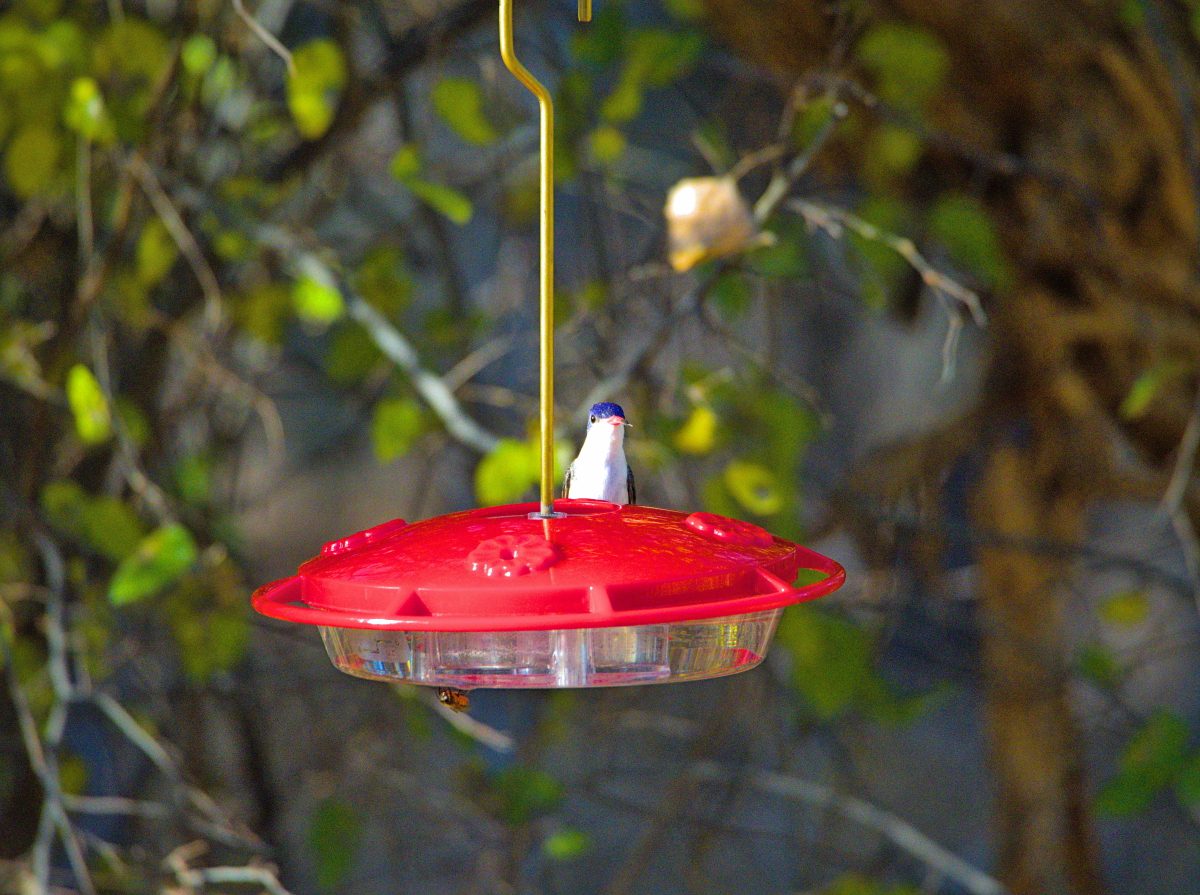
With its white breast, bright red bill and of course the violet crown, it is quite the striking hummingbird. The Paton Center is one of the only places to see them in the U.S. as most of their home range is in Mexico.
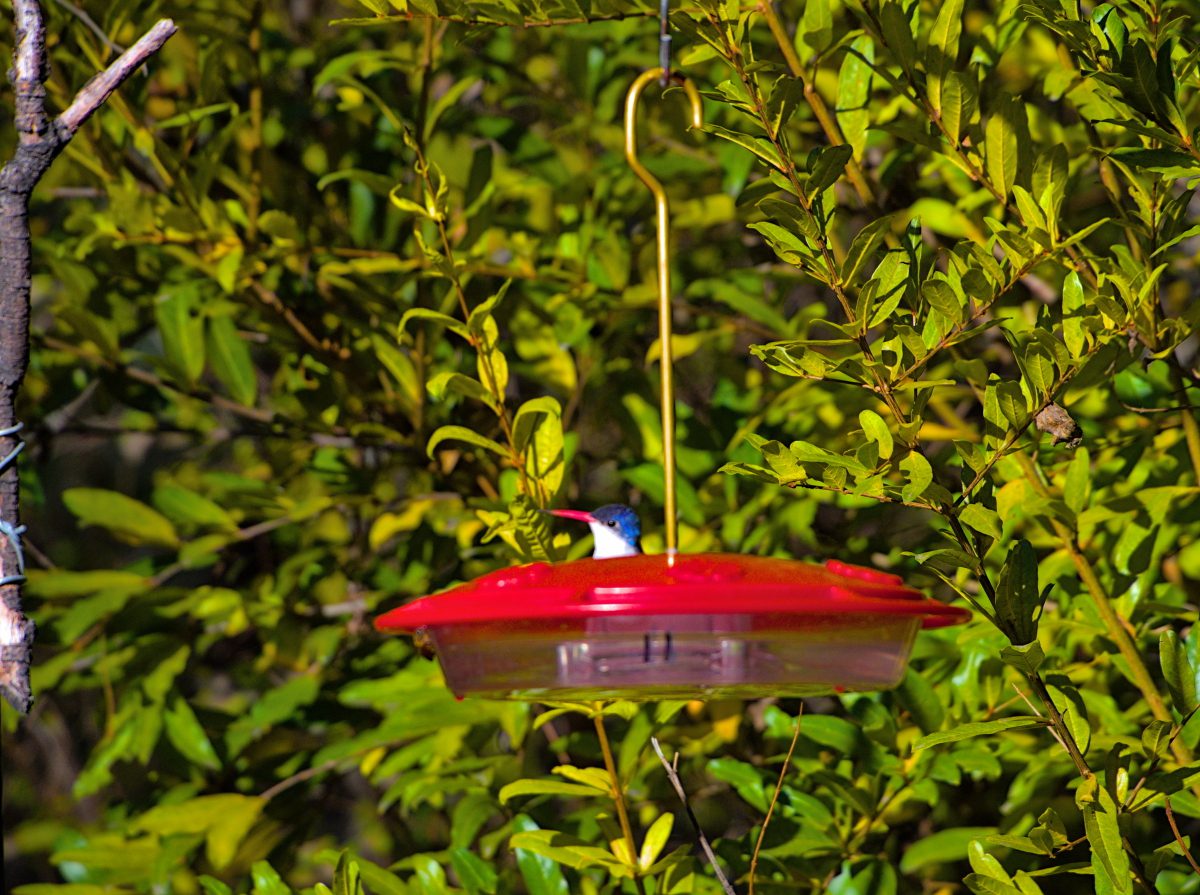
It didn’t tend to spend a lot of time at the feeder, and seemed to be spending more of its time in a nearby shrub preening to keep itself nice and white.
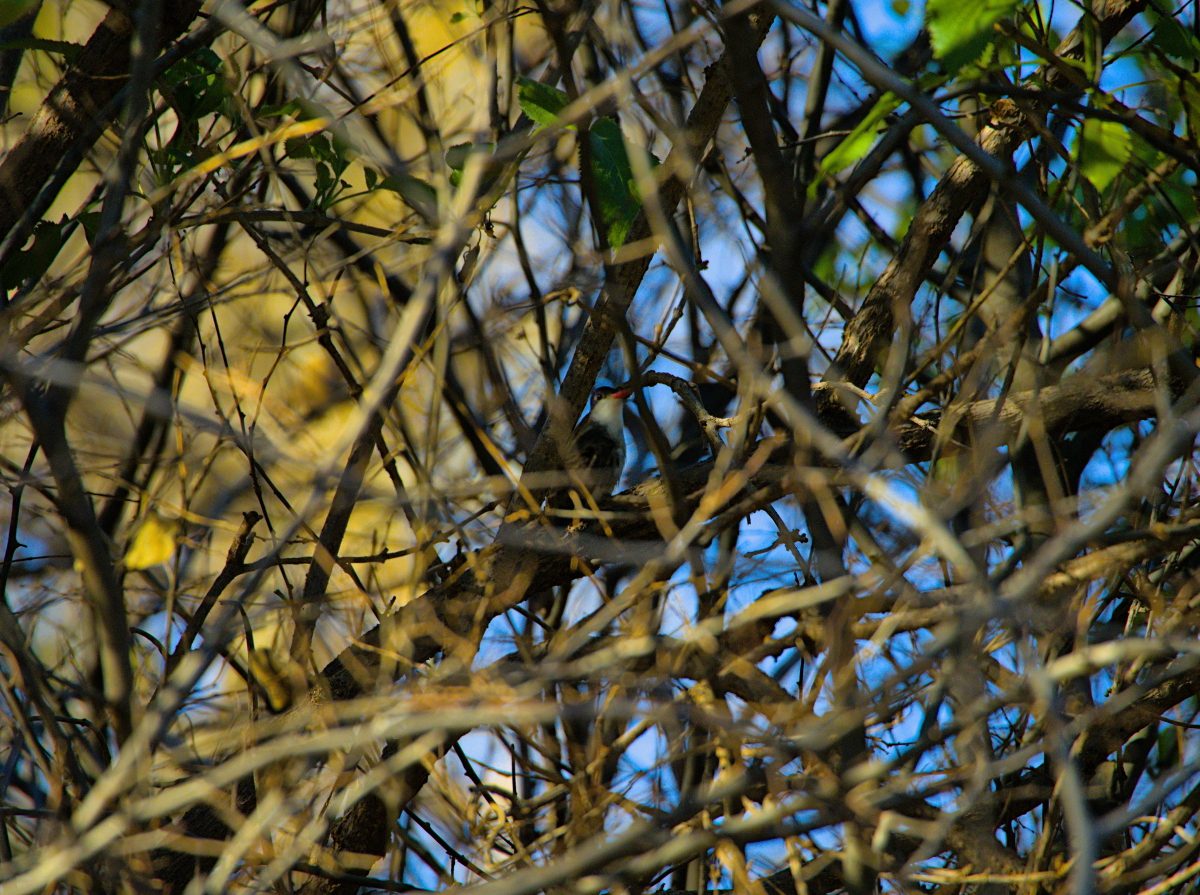
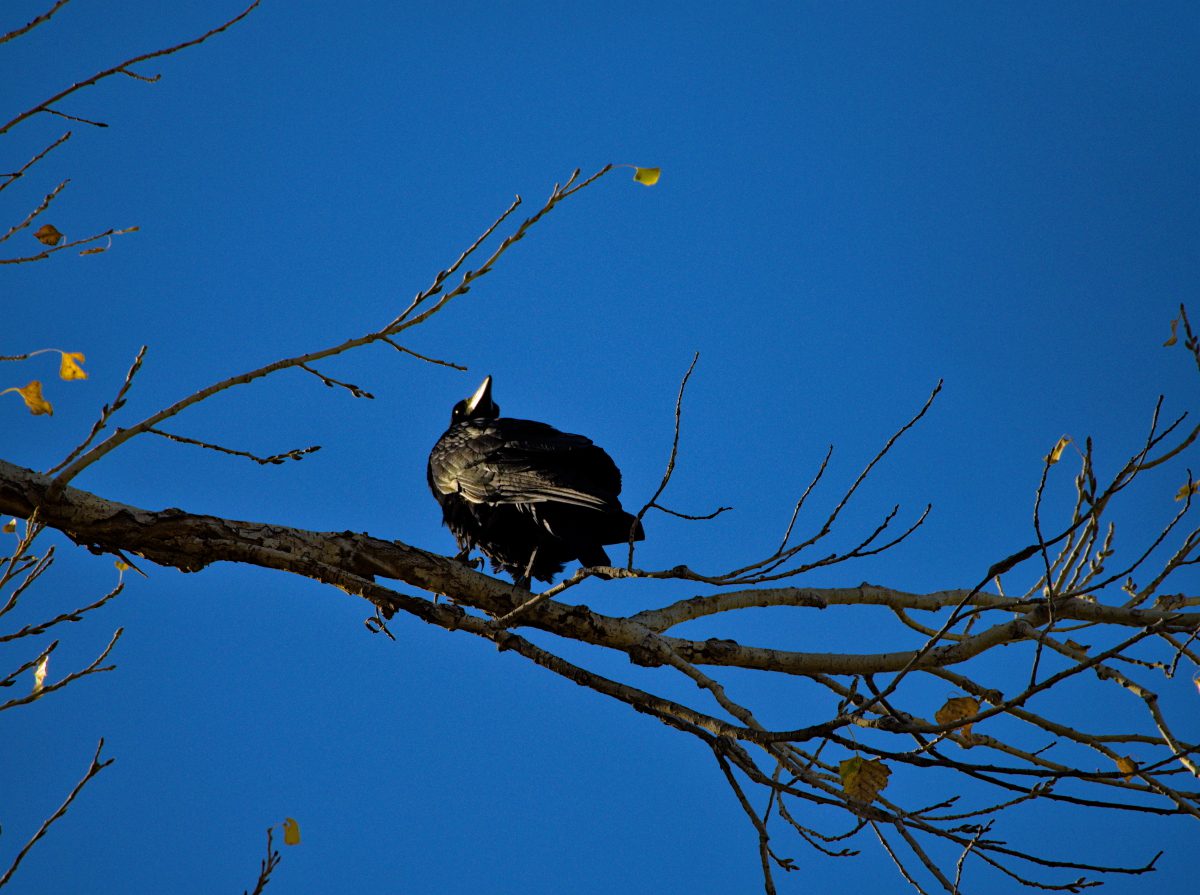
There were plenty of other birds there as well.
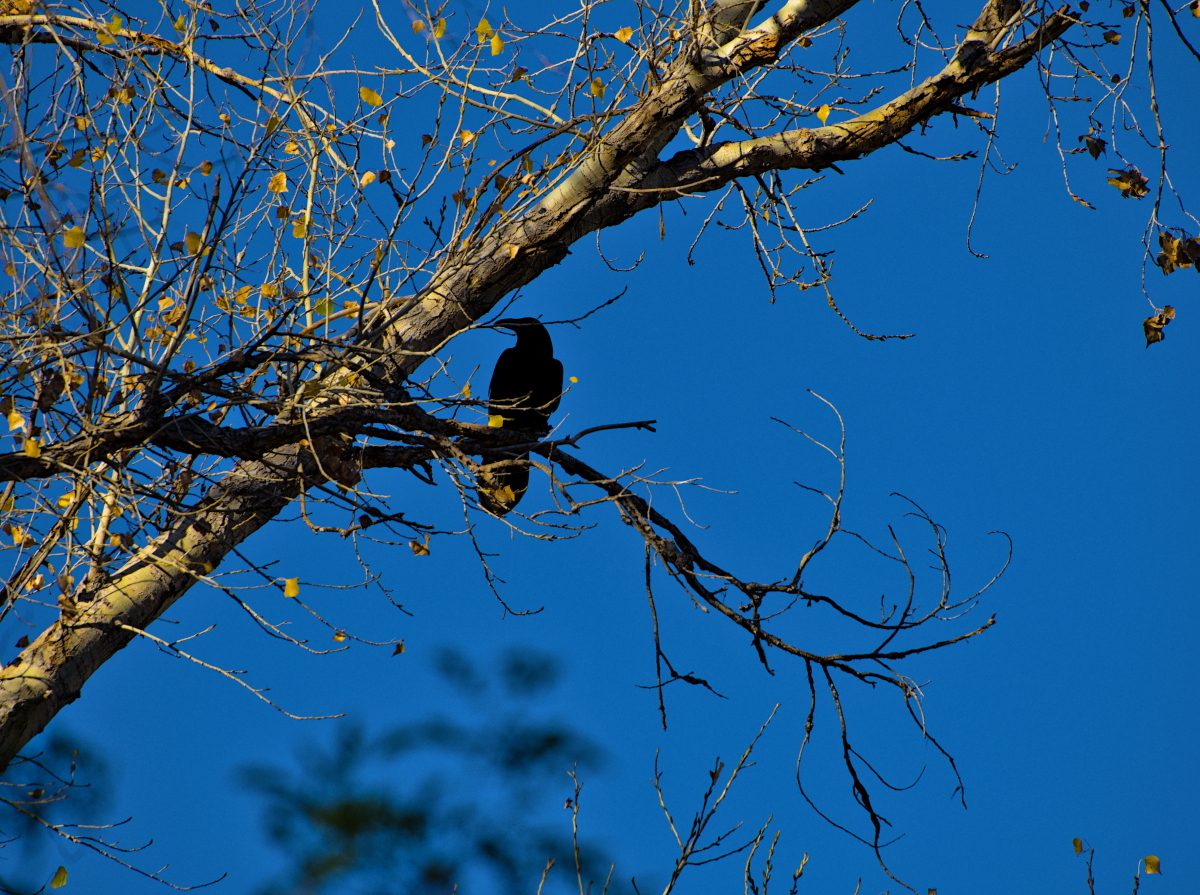
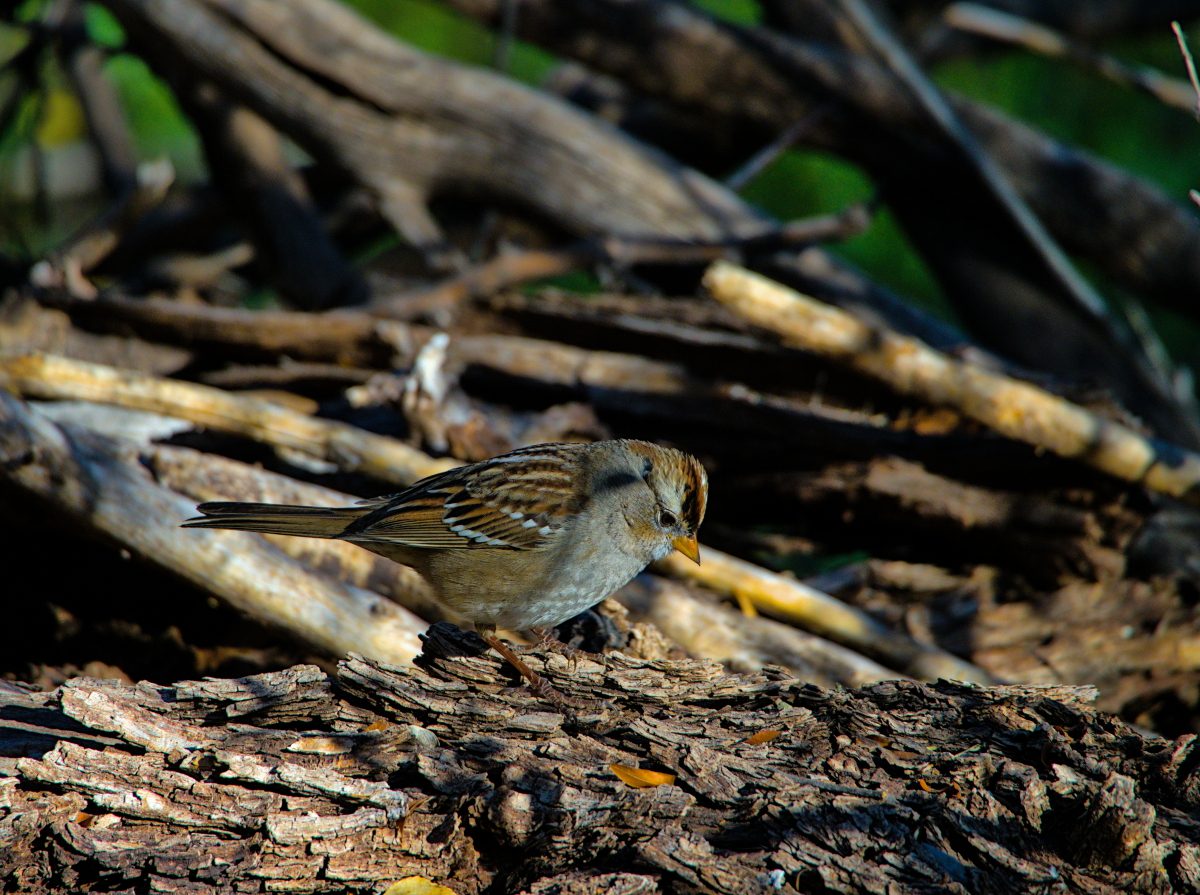
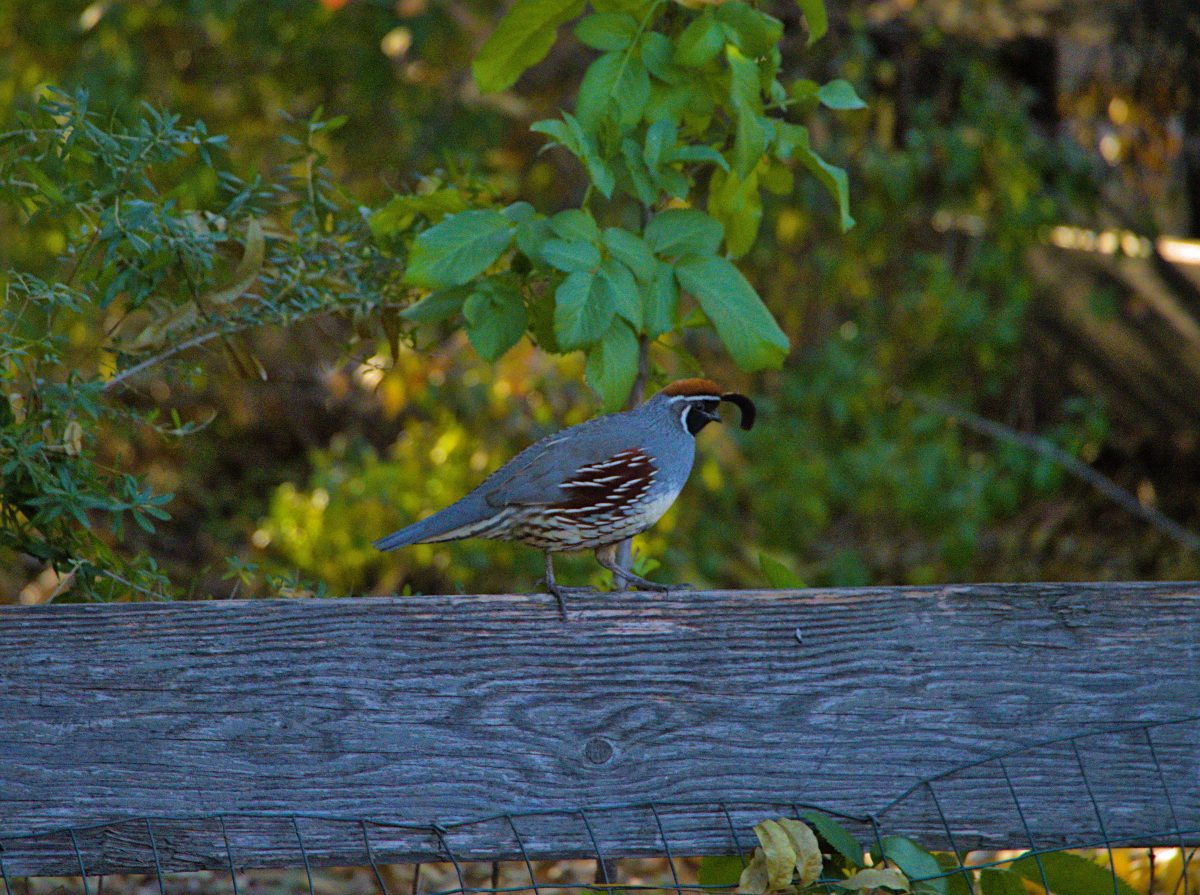
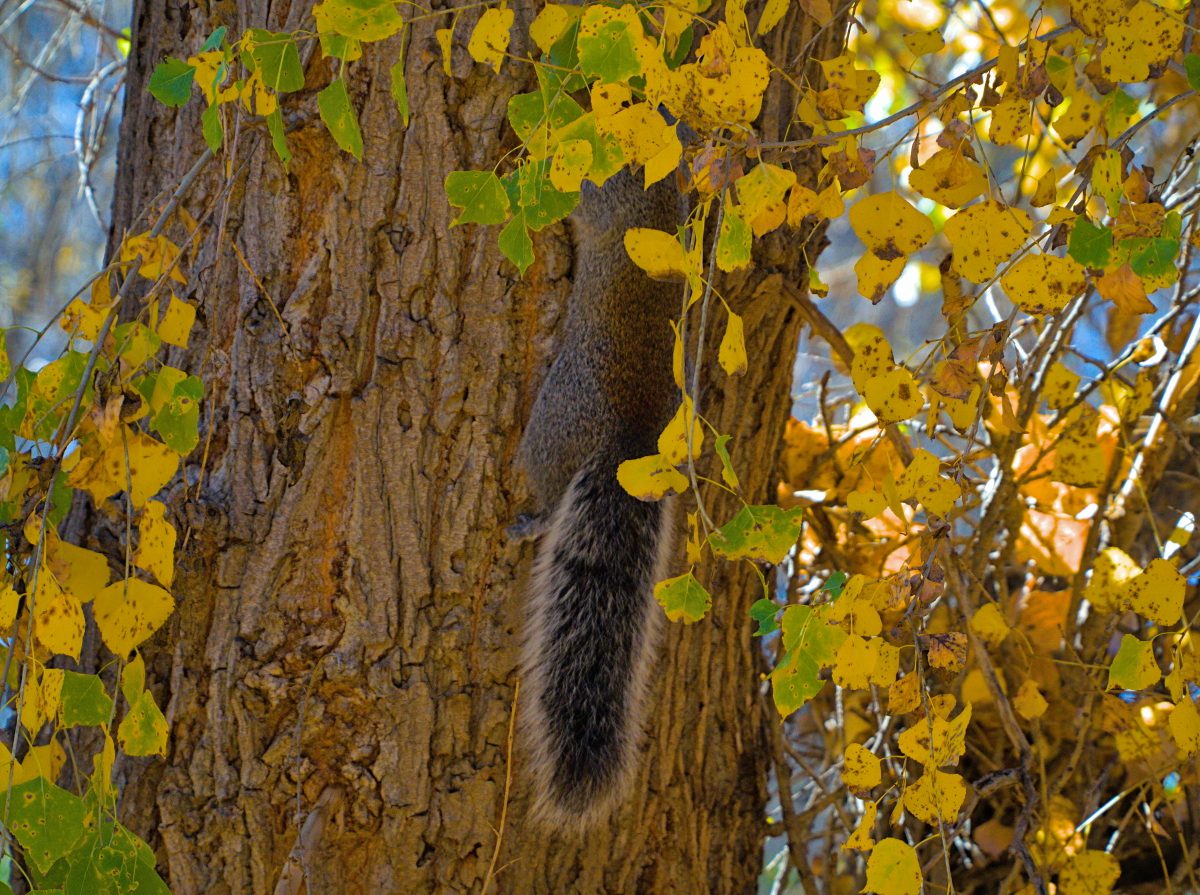
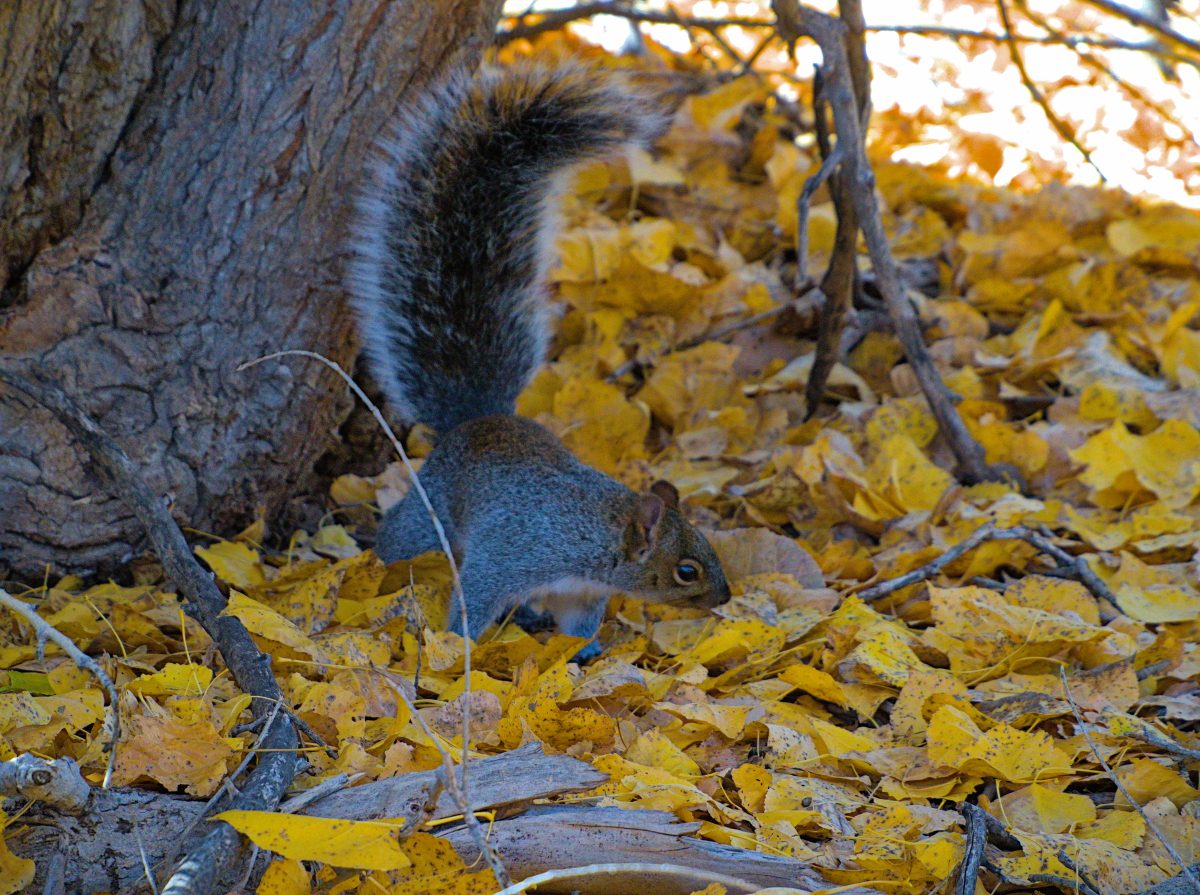
With lots of brush piles, trees, shrubs and a little bit of water this little backyard seemed to be quite the magnet for birds, and a few four legged friends as well.
After a couple hours it was time to move on, so we kept on moving west.
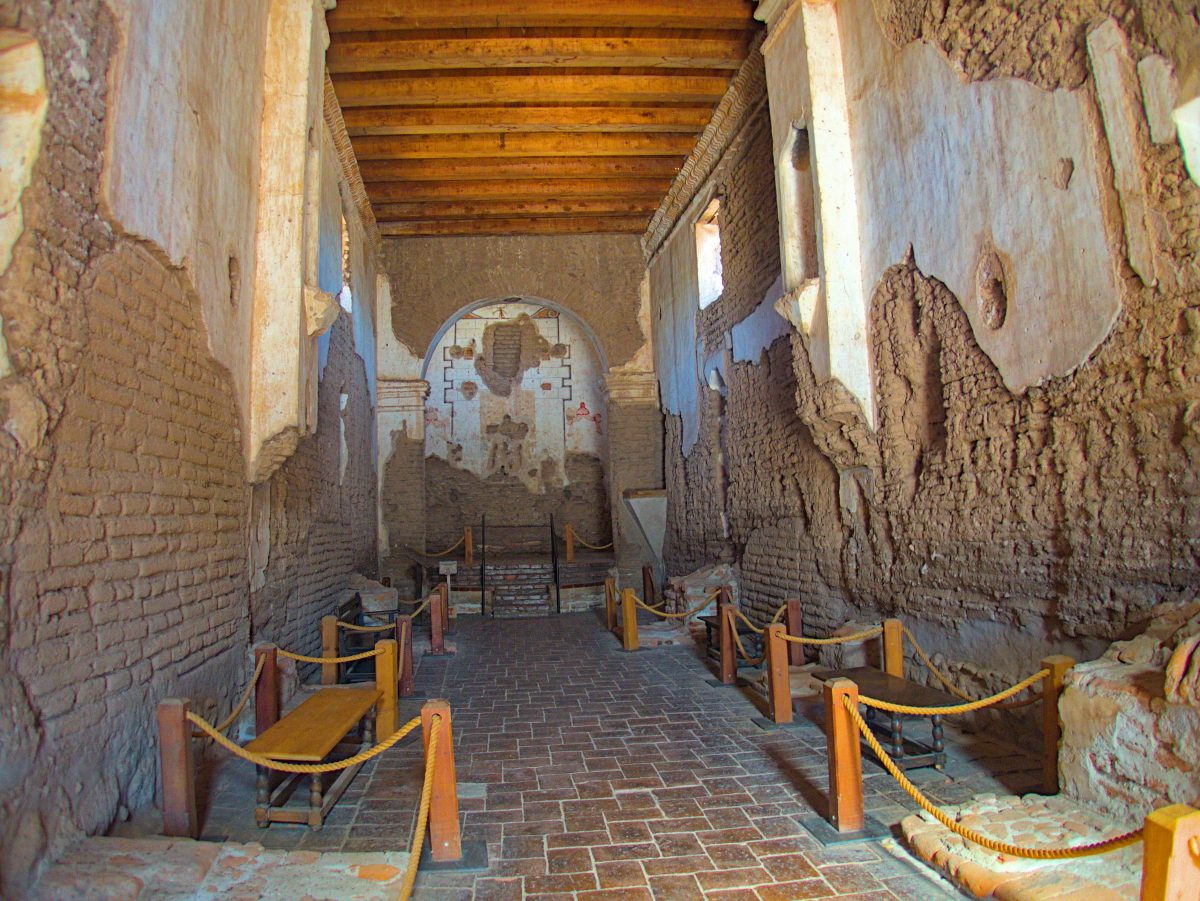
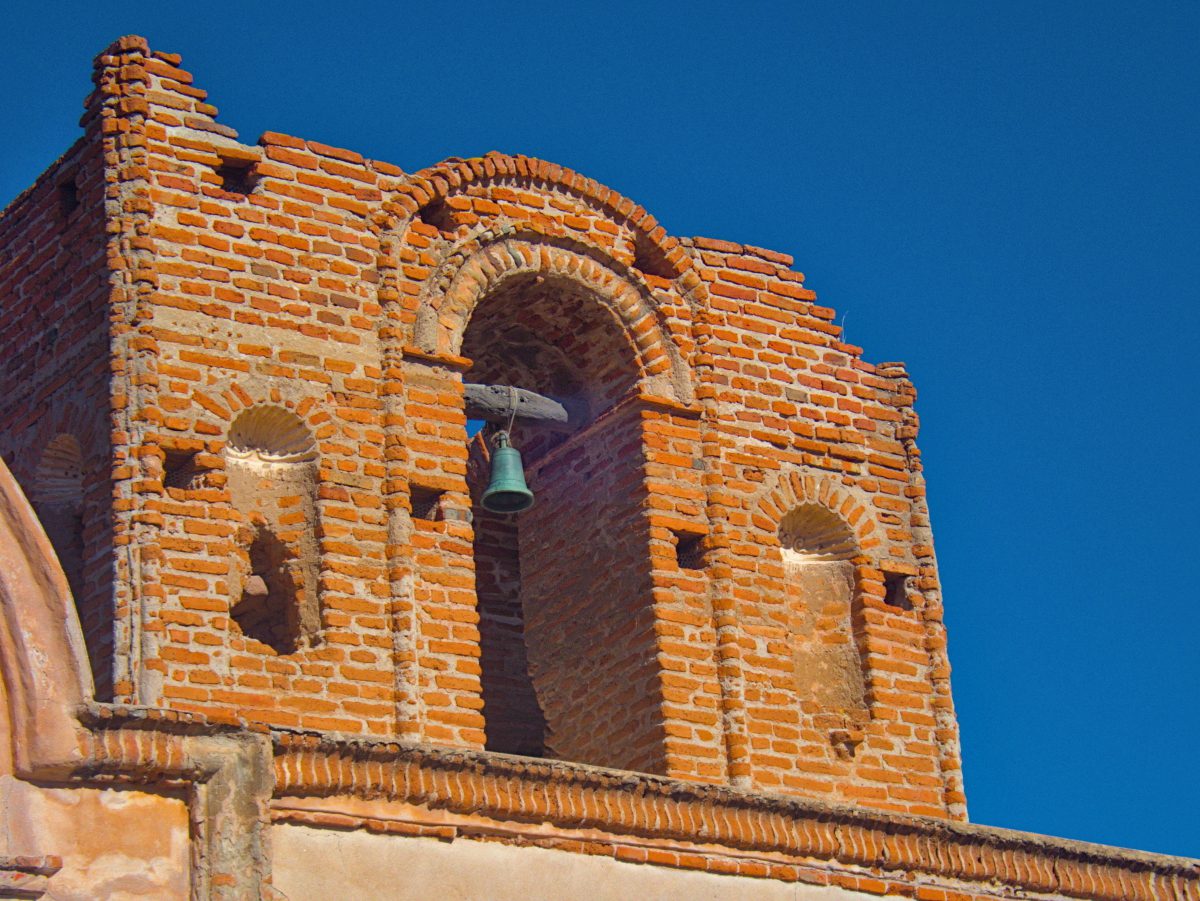
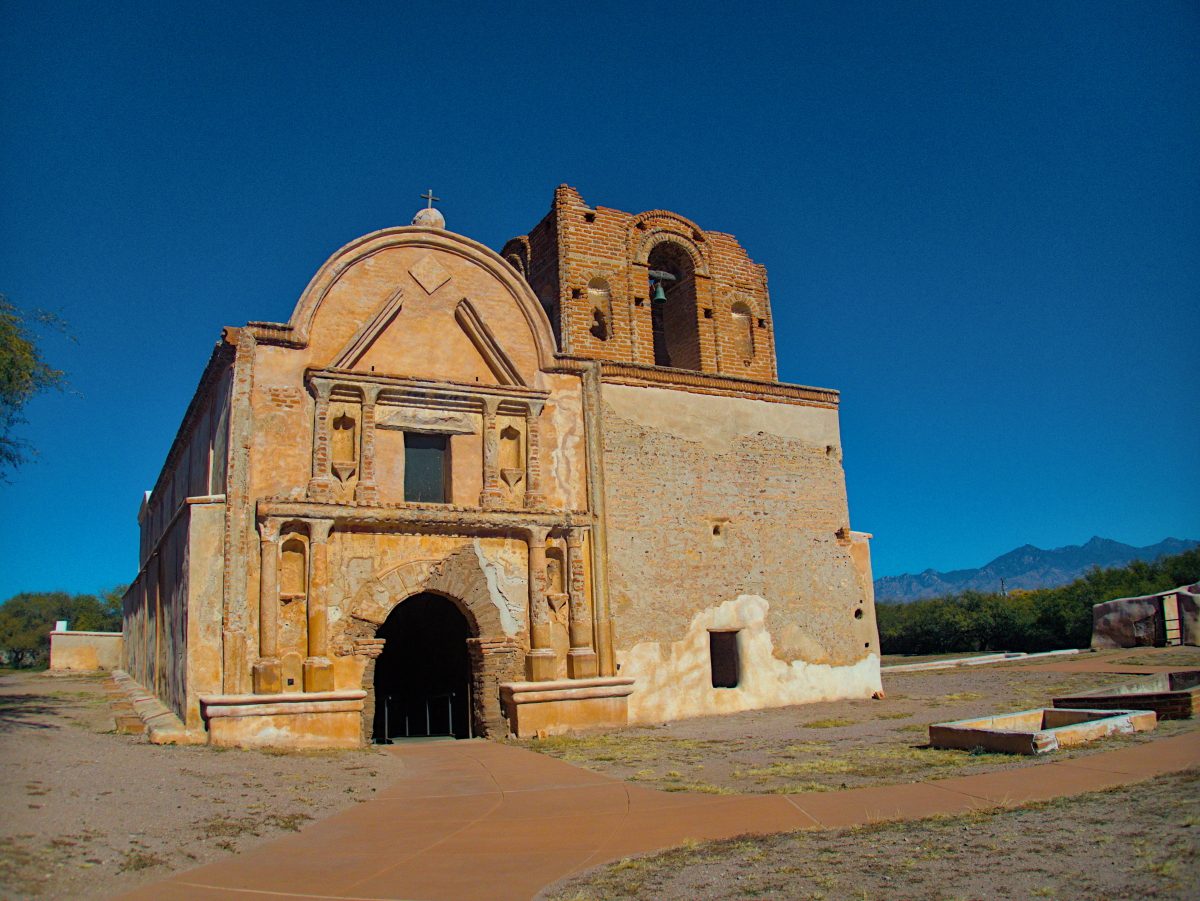
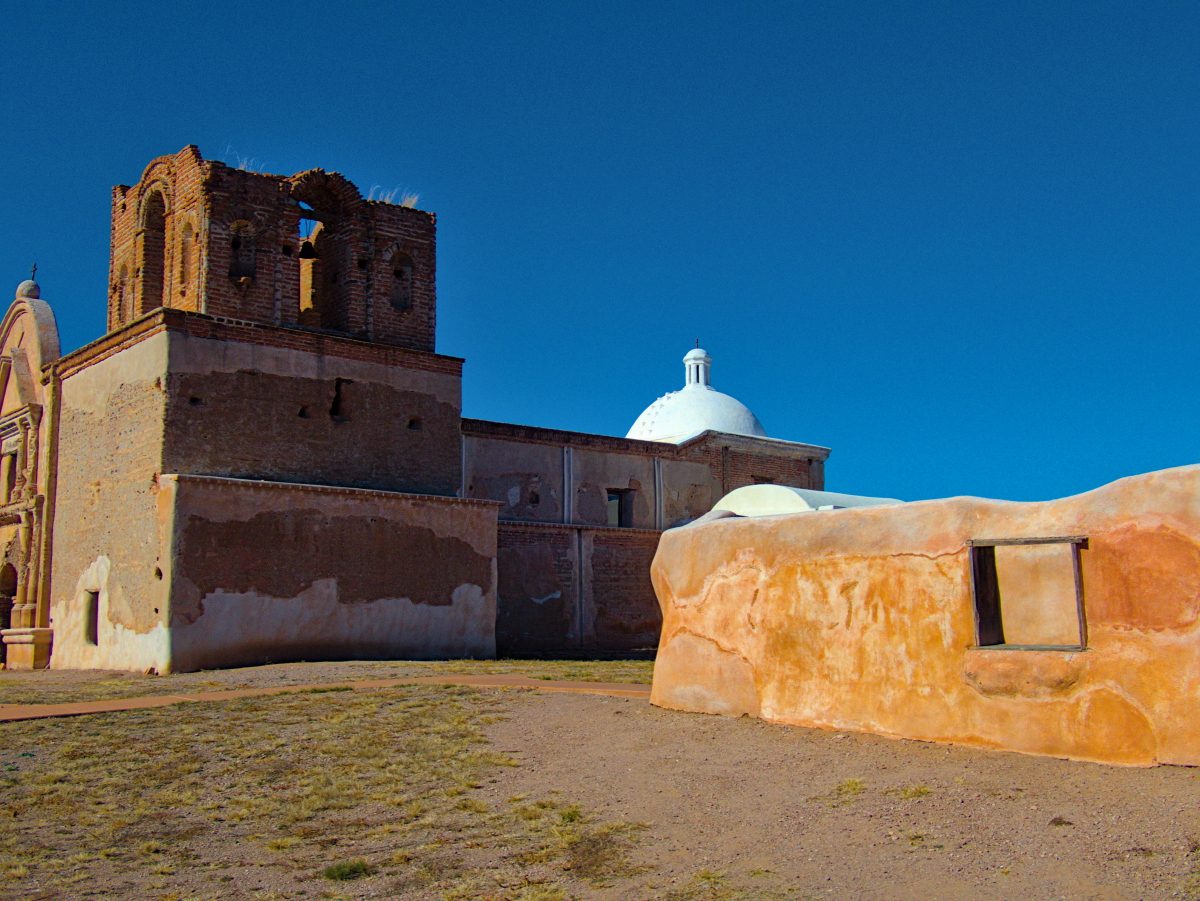
Our next stop was Tumacacori National Historical Park which is the site of Spanish mission ruins dating back to the late 1600’s.
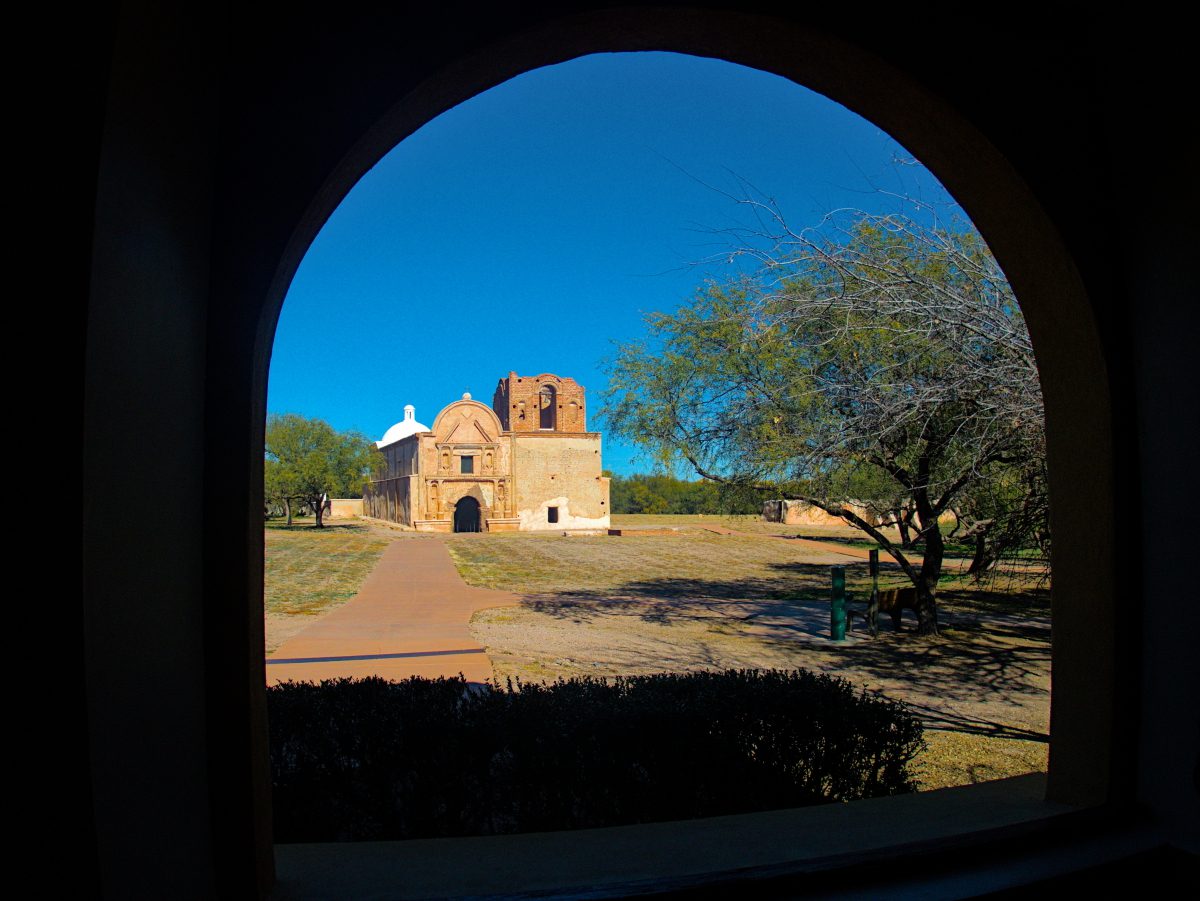
The church dates back to the 1800’s, but shows the signs of being abandoned following Mexico achieving independence from Spain and expelling all Spanish born residents which included Tumacacori’s preist.
We spent the night near water, a rare sight in southern Arizona. Arivaca Lake was a little low and is of course dam controlled and rain dependent. We learned talking to a fisherman there that there are only two natural lakes in Arizona, that’s a bit too dry for my liking.
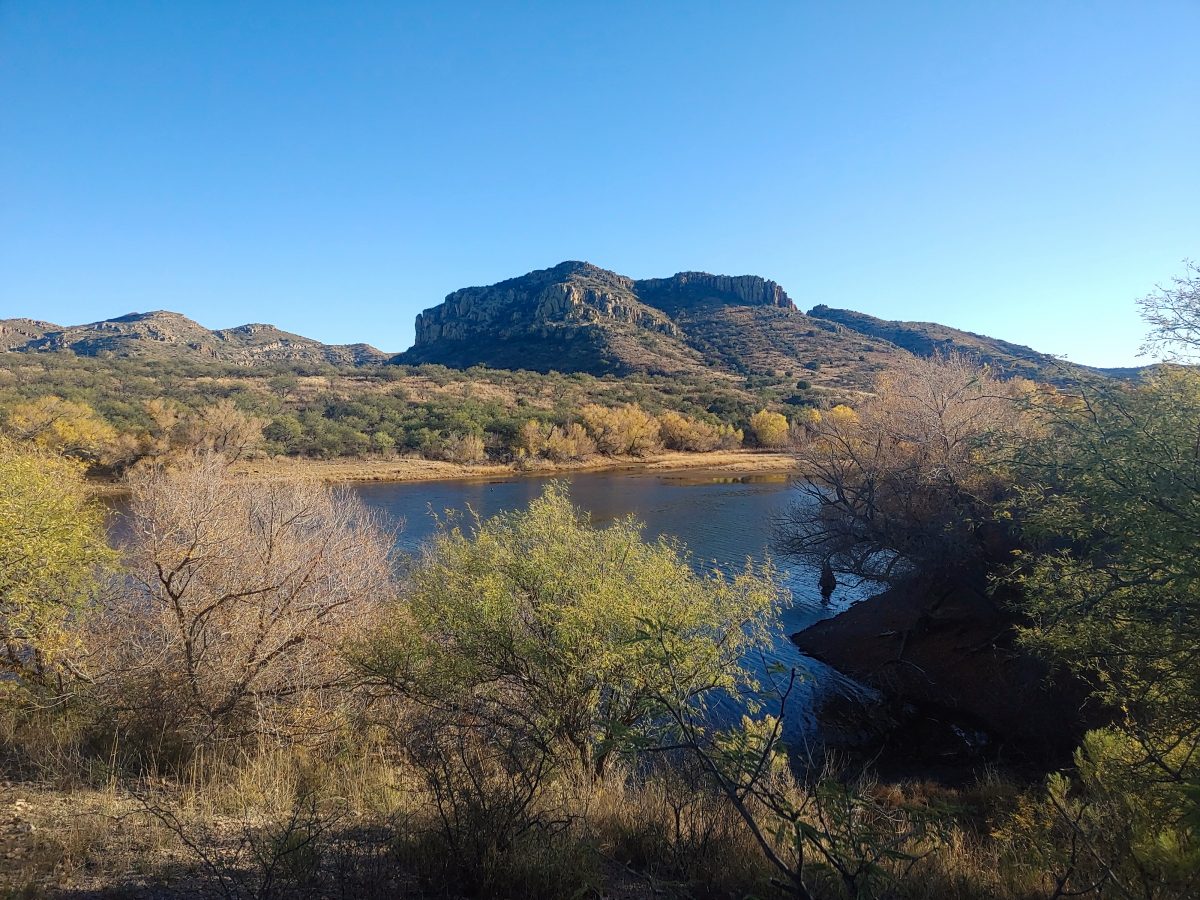
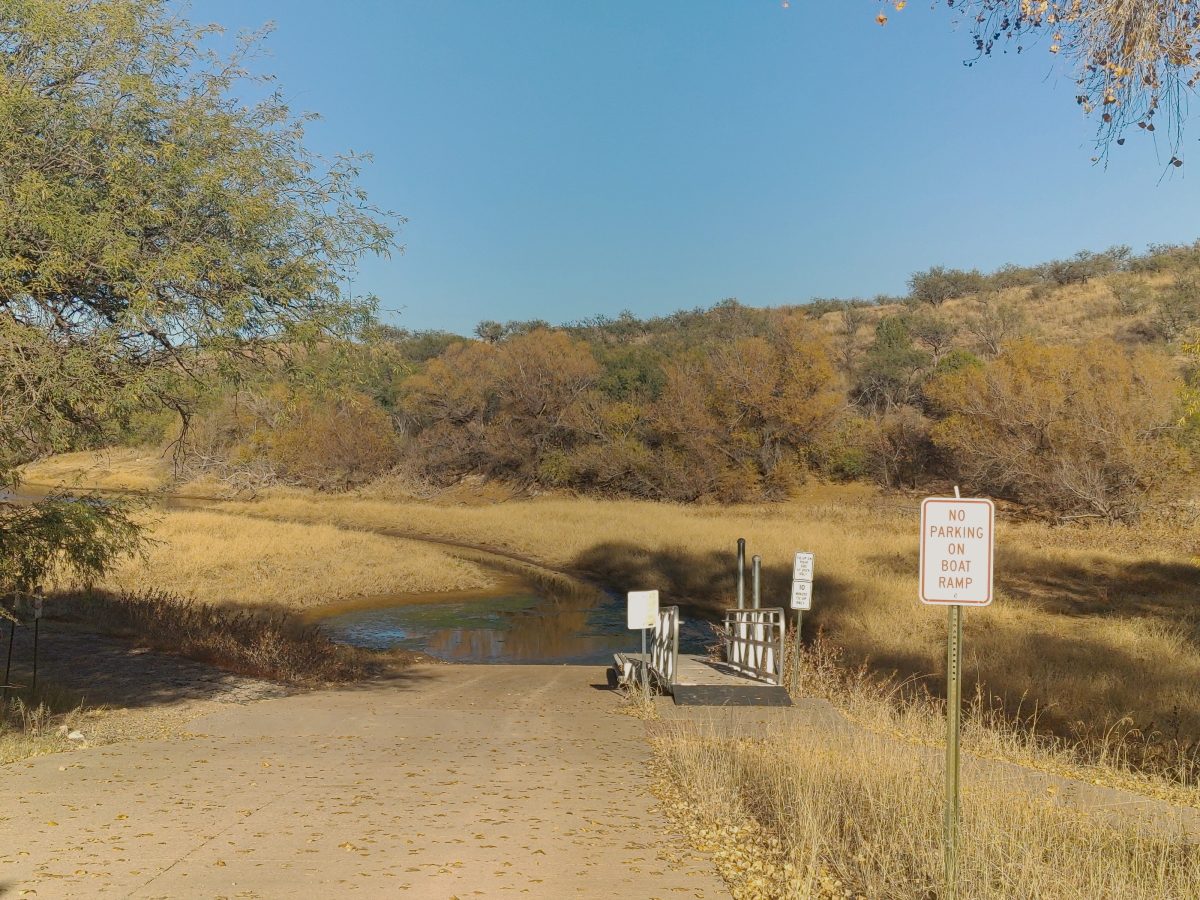
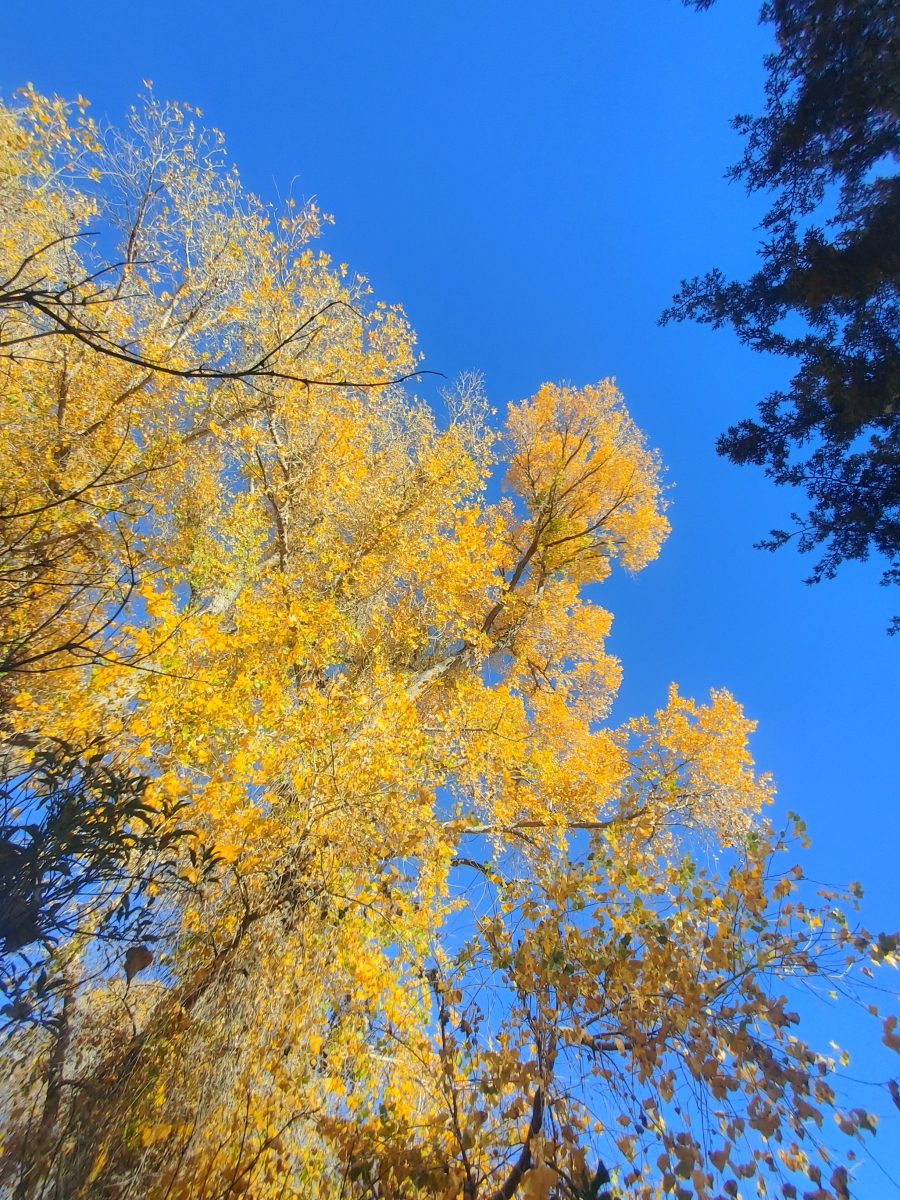
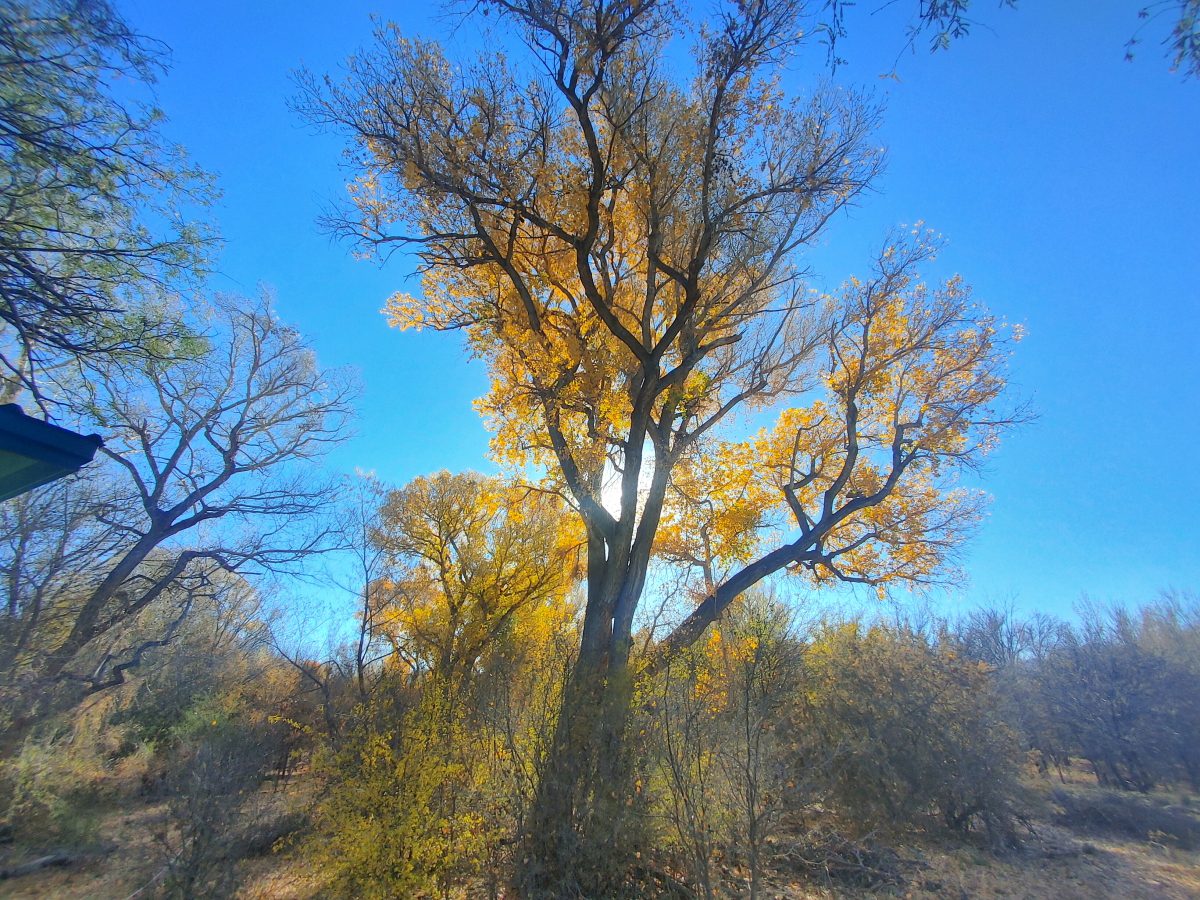
Here it was mid-December and the cottonwoods in this area were in their peak fall colors.
After a quiet night at Arivaca Lake (not counting the coyotes) we moved a bit further west to the Buenos Aries National Wildlife Refuge. The border patrol was out in force in this area. We went down one stretch of road where we would pass 5 border patrol trucks for every civilian vehicle that we passed. As we came onto the refuge we also noted a large blimp floating high above the valley. Talk about a creepy big brother feel. We stopped in at the visitor center which was closed. We didn’t ever see any staff at any of the wildlife refuges we visited across the southwest. Apparently all the staffing money went to the border patrol.
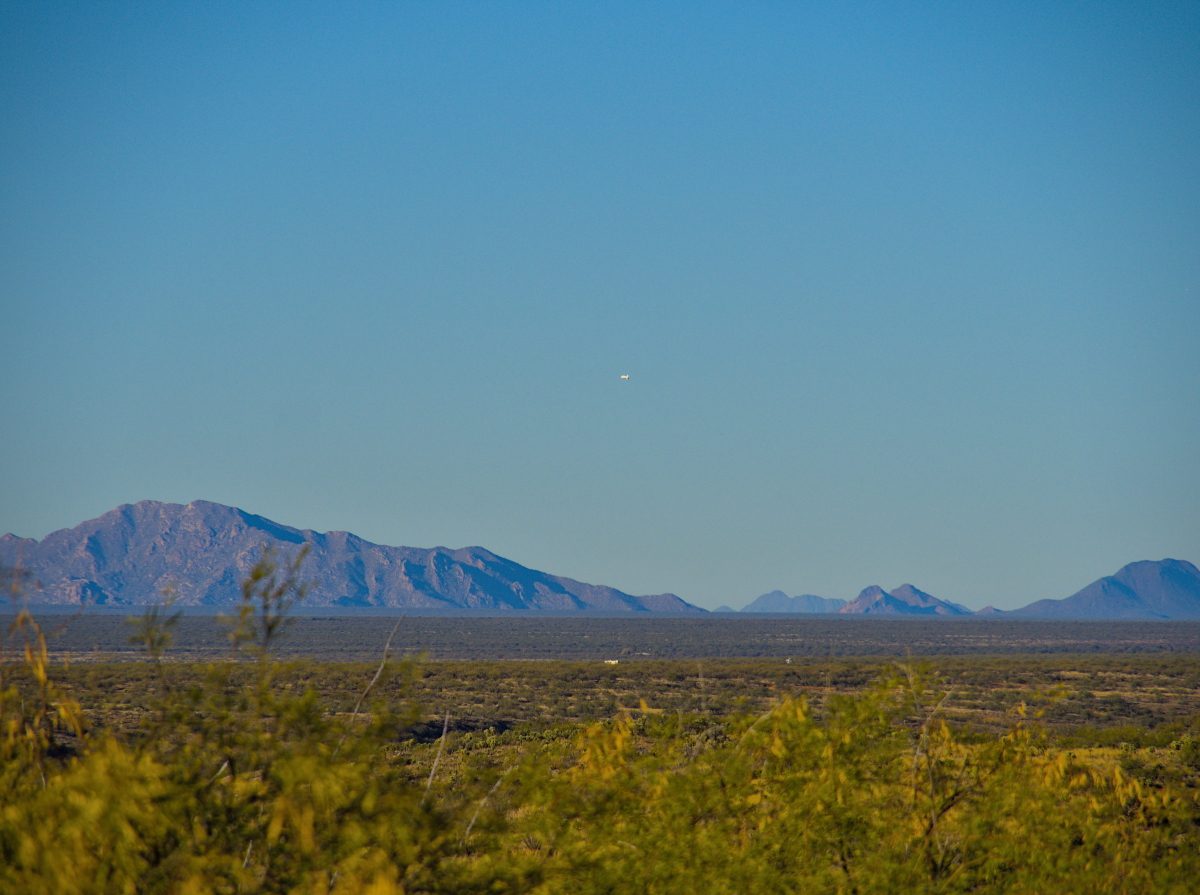
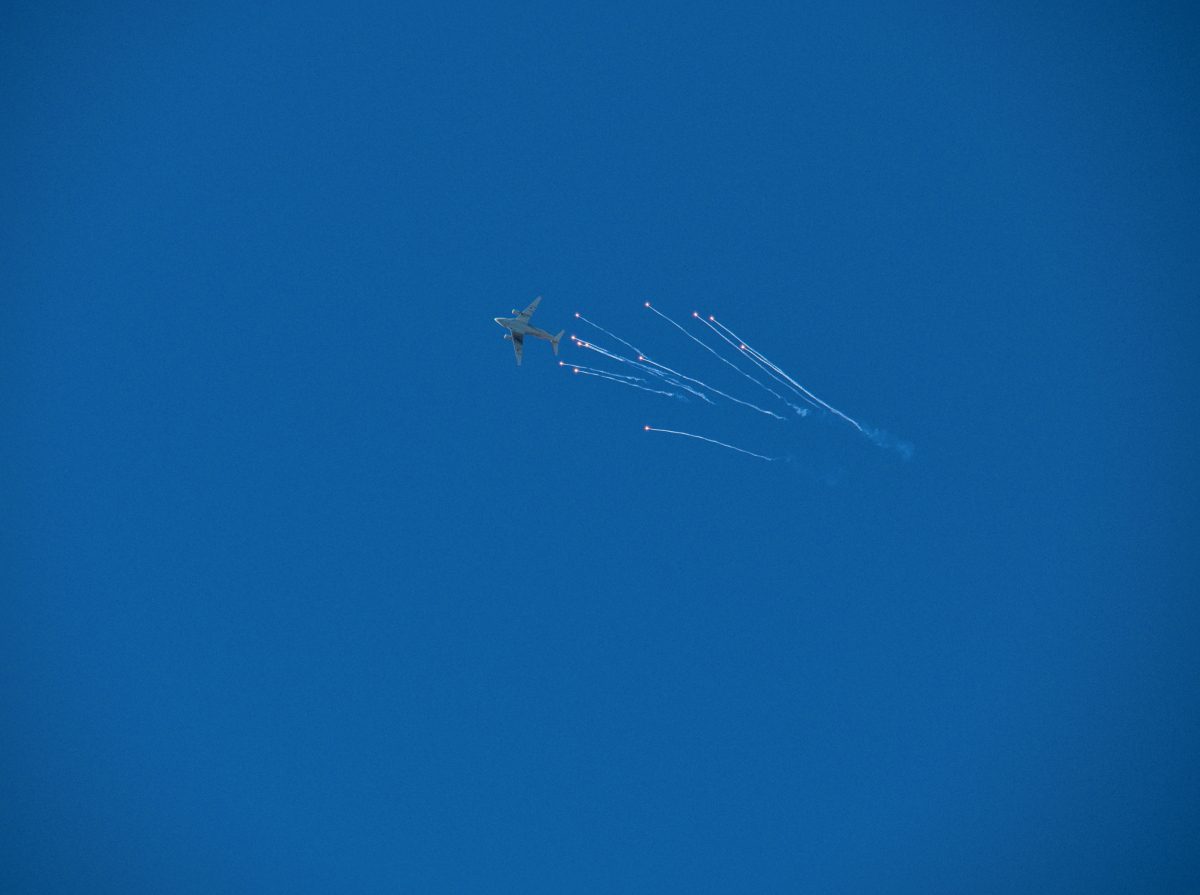
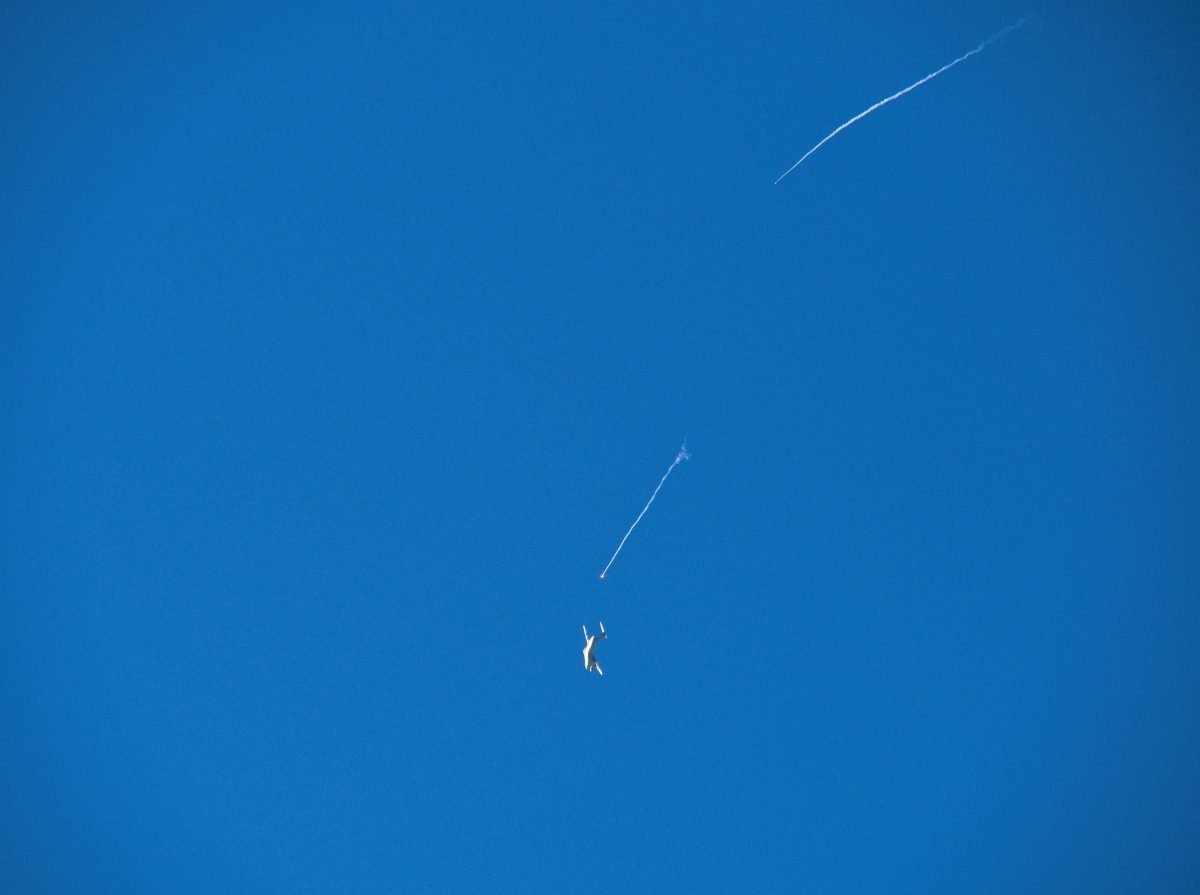
Add to that a plane flying overhead dropping flares and being chased by a fighter jet. There was a lot of ‘activity’ here, but not the kind we came to the wildlife refuge for.
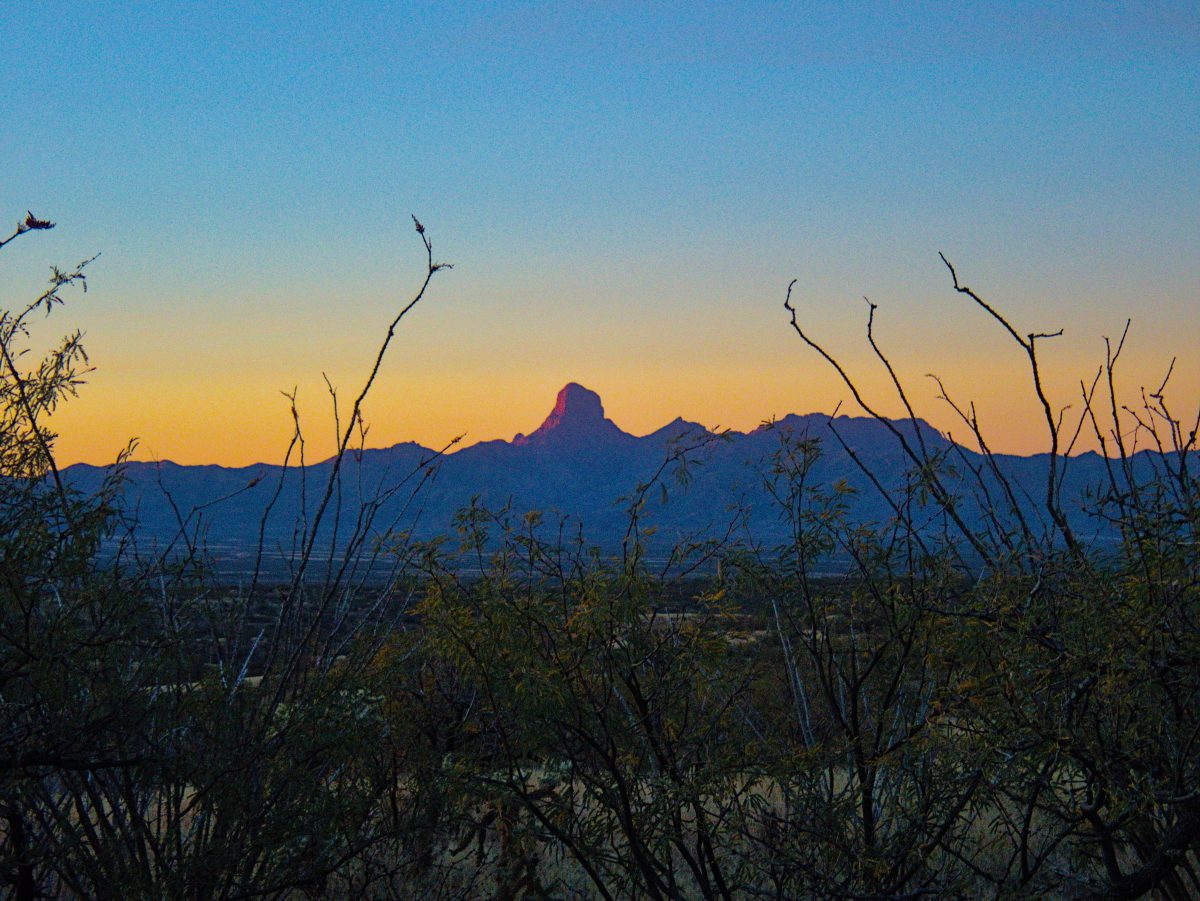
We drove the ‘pronghorn loop’ but things were pretty quiet, no wildlife, and it seemed exceptionally dry here. The refuge has about 80 dispersed campsites, so after some looking around and we found one on a ridge where we could enjoy the view of Baboquivari Peak for a couple of days.
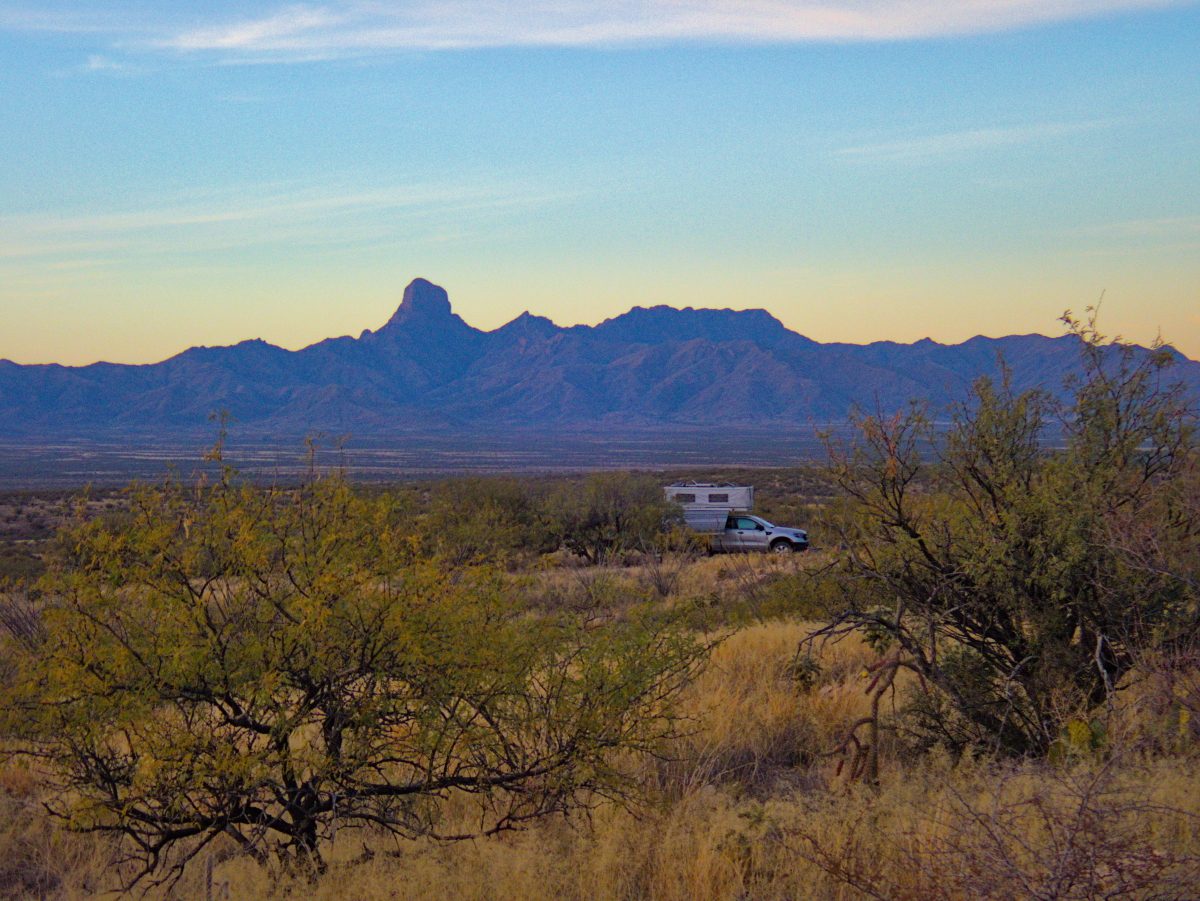
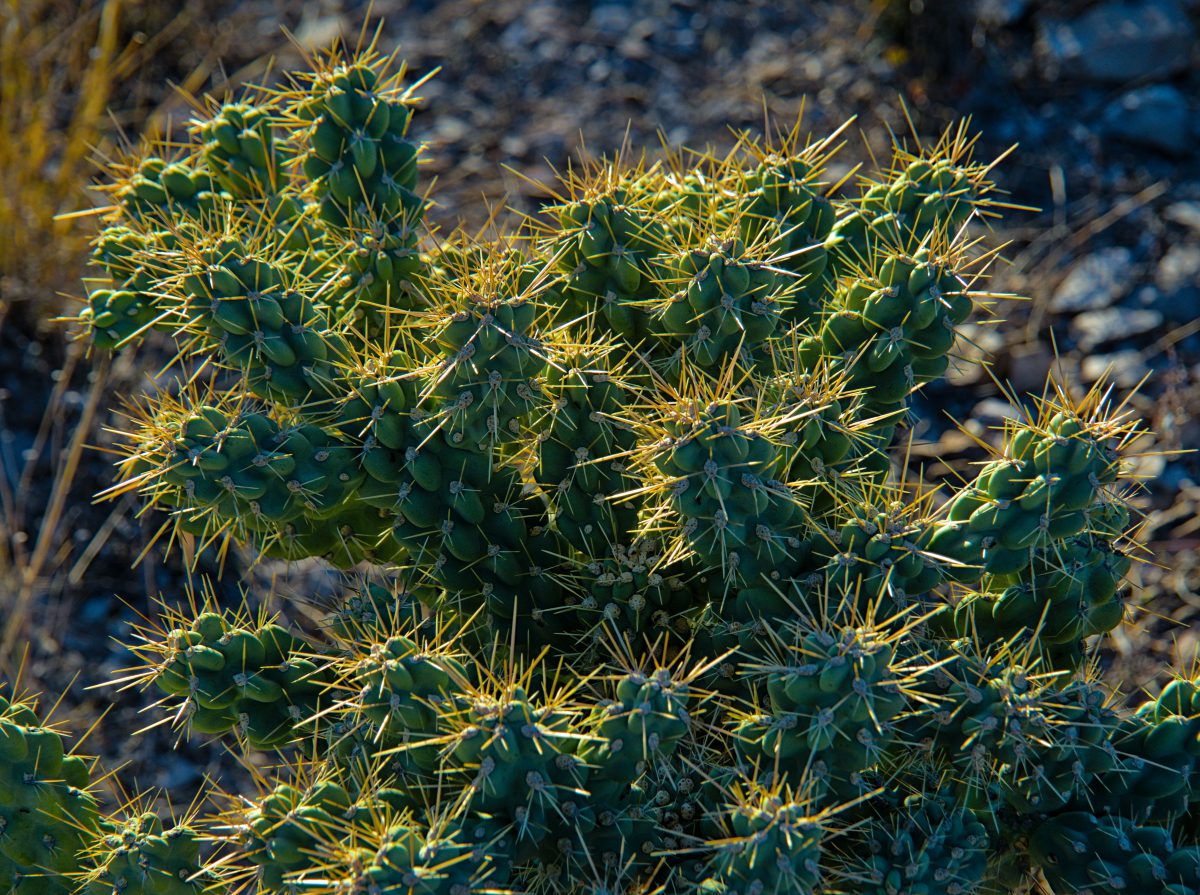
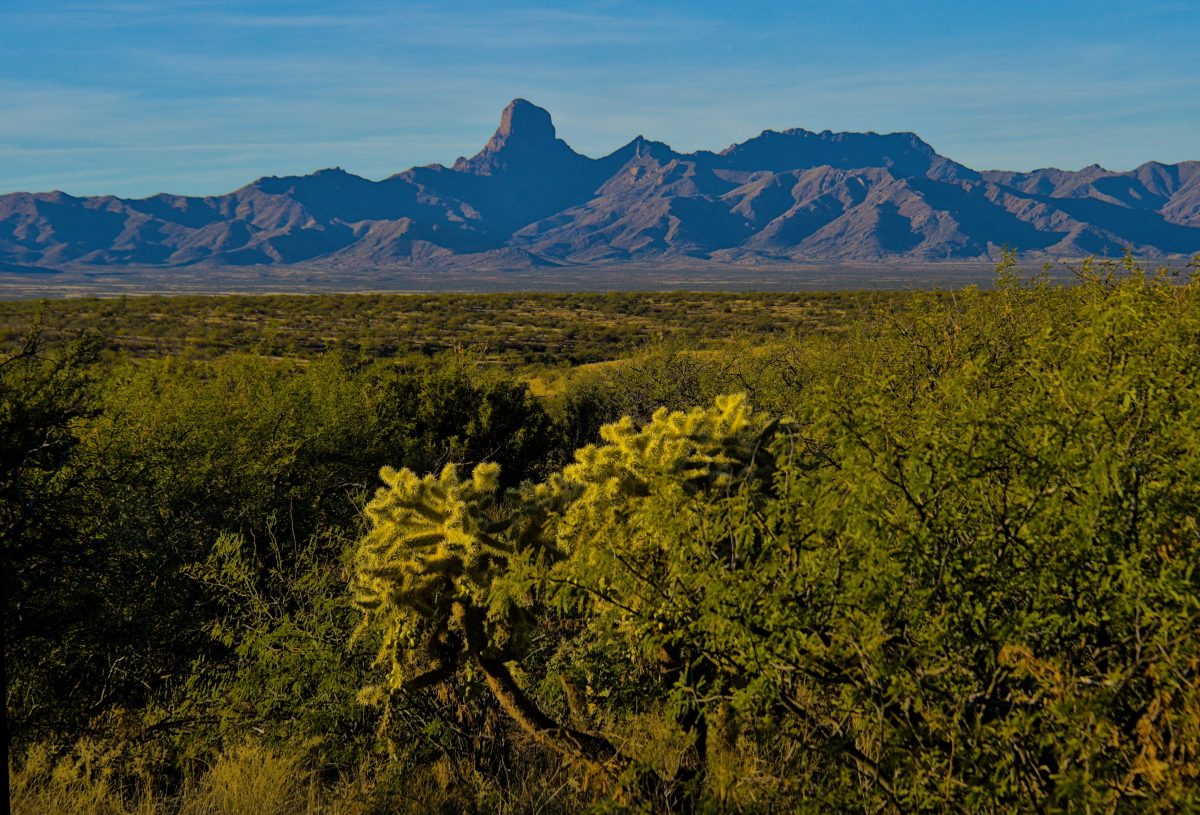
It was reaching into the 80’s during the day, which felt a bit too warm. As it cooled down in the evening we walked down to a water tank we spotted on our way in.
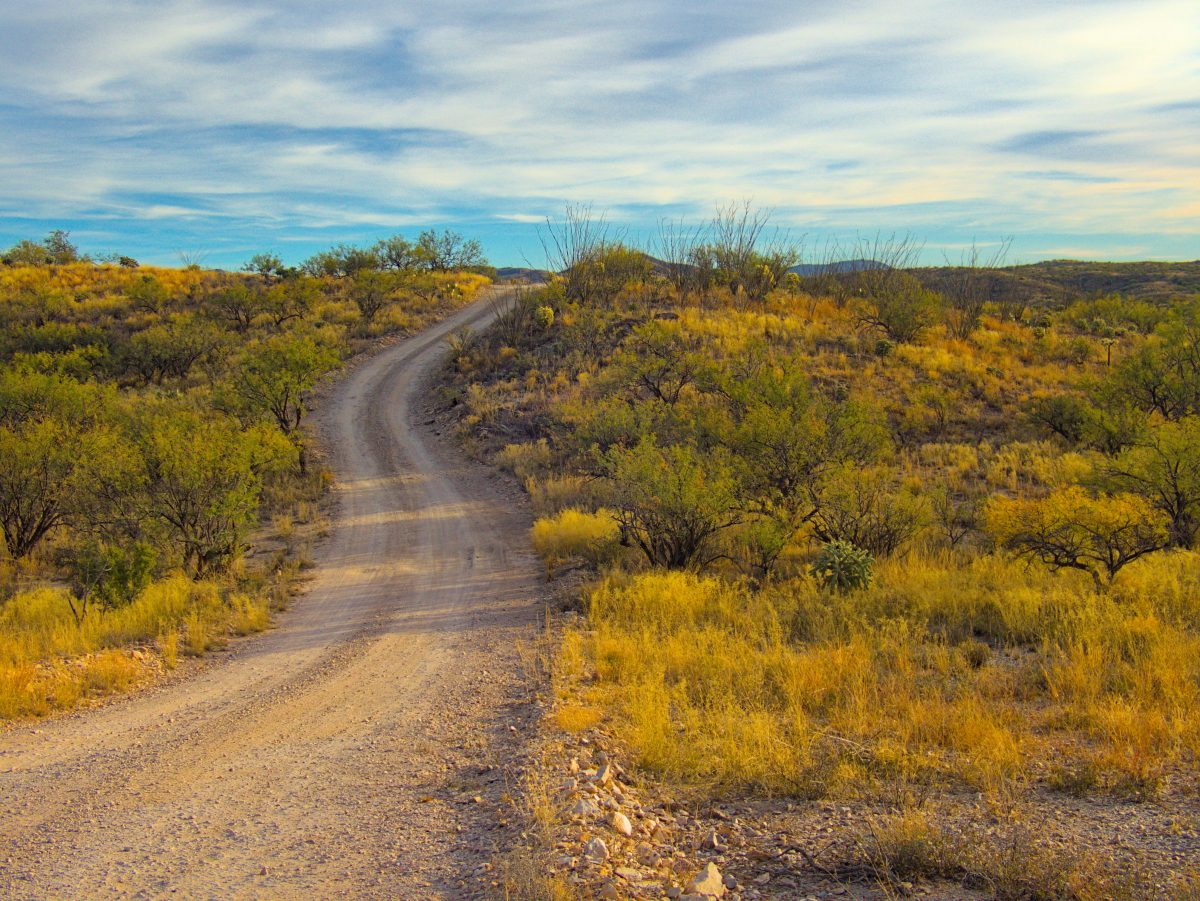
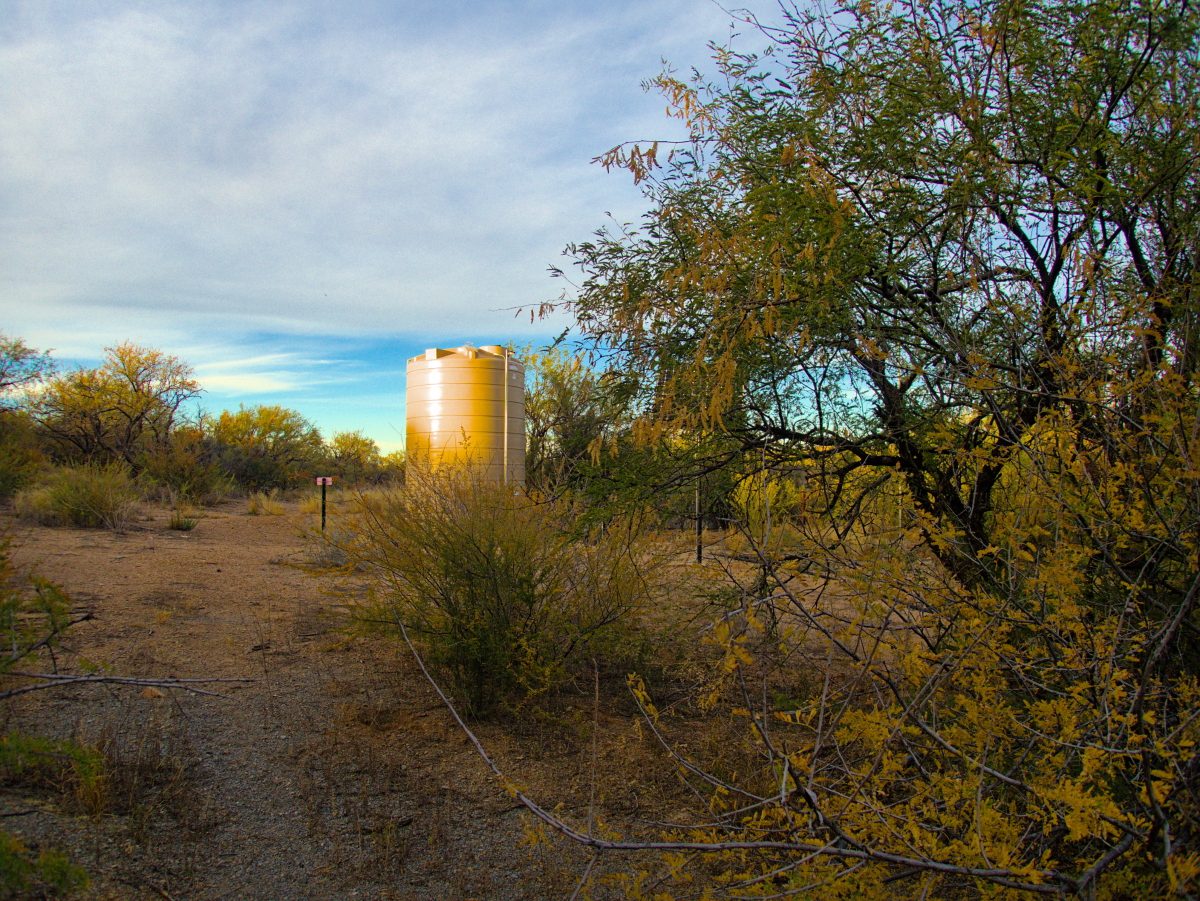
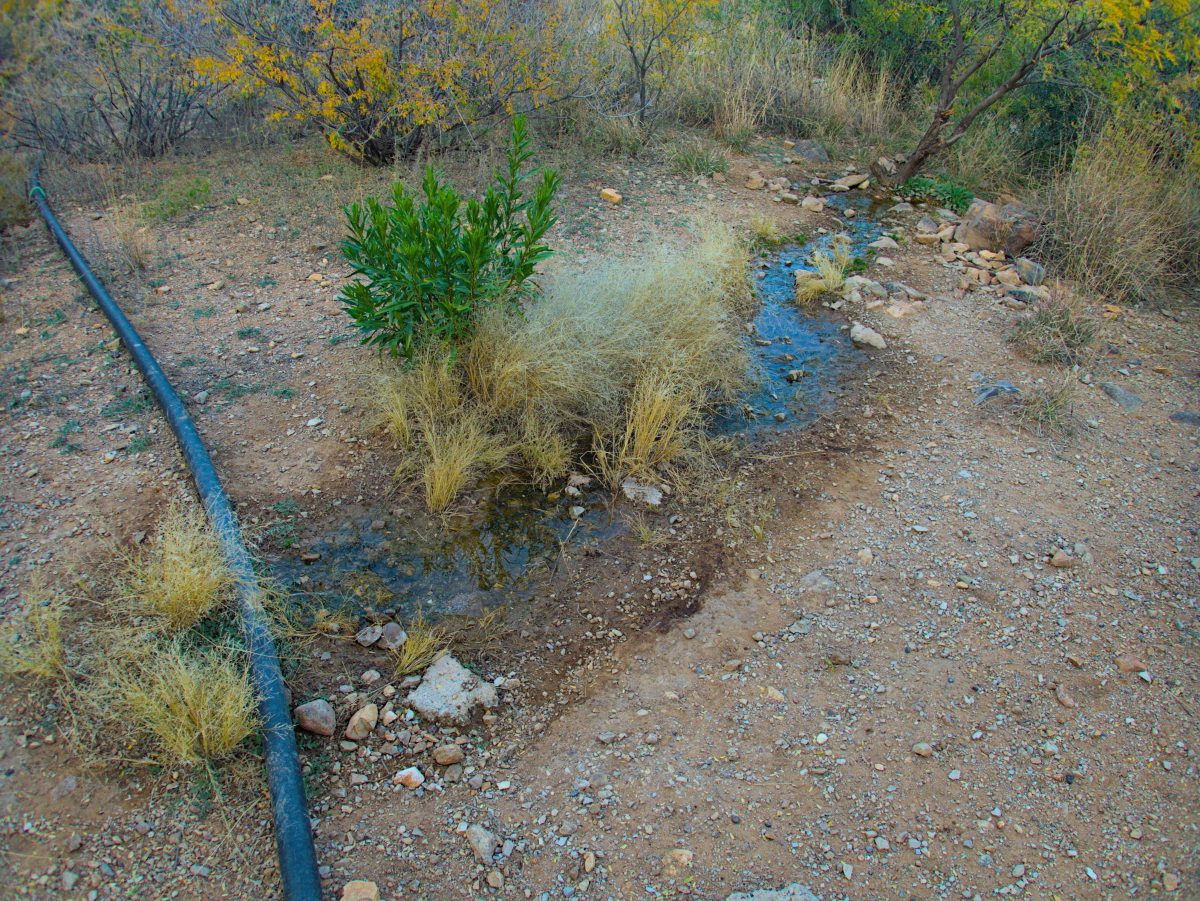
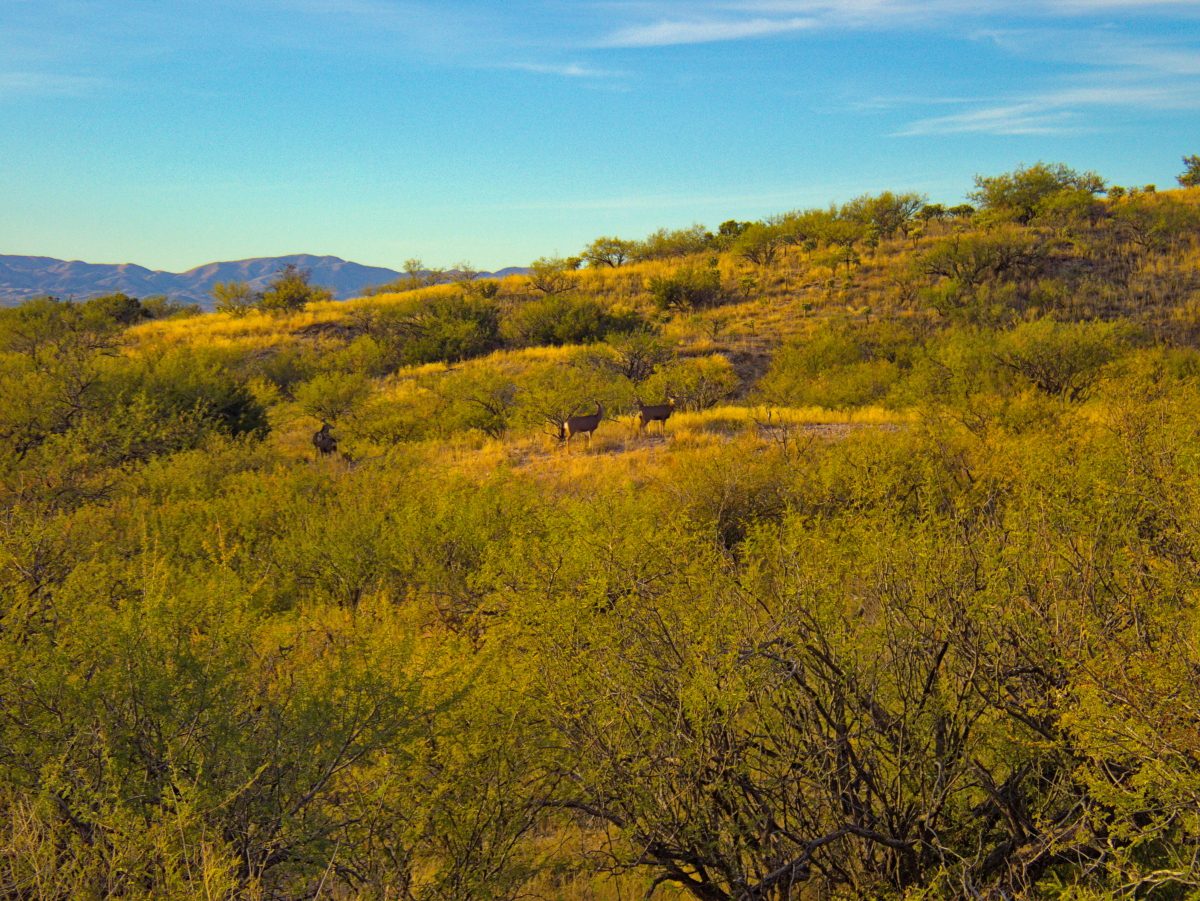
The little trickle of water being released is a lifeline to the wildlife in the area. We spotted a group of about 15 deer and even scared up a covey of the masked bobwhite quail that the refuge was created to protect and preserve (no quail pictures, they were way to quick and wary).
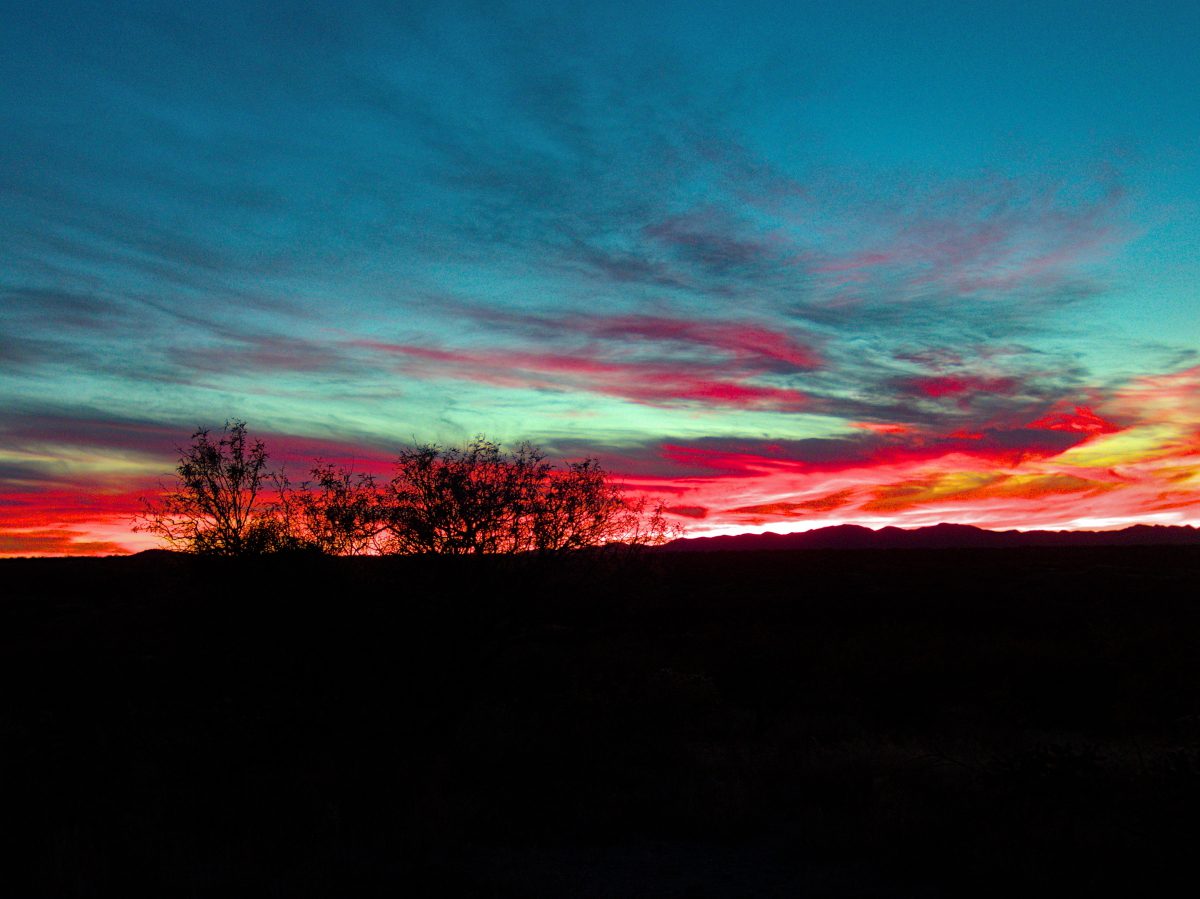
We sat back enjoyed an Arizona sunset. It seems like each day would be as cloudless as could be, and then right at sunset, the clouds came out to catch the incredible light and put on a show.
Somewhere in the past couple of days we’d crossed the line. We crossed over from the Chihuahuan desert to the Sonoran desert. We’d yet to run across the most iconic plant of the Sonoran desert, the Saguaro. That would change in the morning.
Pingback: The Saguaros of the Sonoran Desert – Occidentalist