We were rumbling south on I-15 with cars whizzing by on our left and right, as if the 75 MPH limit was too low. I-15 from Ogden to Provo has to be one of the worst stretches of driving anywhere in the country, (and we’ve driven from coast to coast) with it’s constant speeding traffic, billboards and chain stores for mile after mile. With our fall tour of the southwest starting three weeks later than planned we were making a bee line for a warmer climate, so I-15 became a necessity.
Gold Butte National Monument in southern Nevada wasn’t even on our original list for our Southwest 2025 trip, but that list saw some major revisions as we waited at home on truck repairs and October turned into November. One objective for the trip was to try to head toward spots that were going to be above freezing, at least during the days. Off to Gold Butte we went.
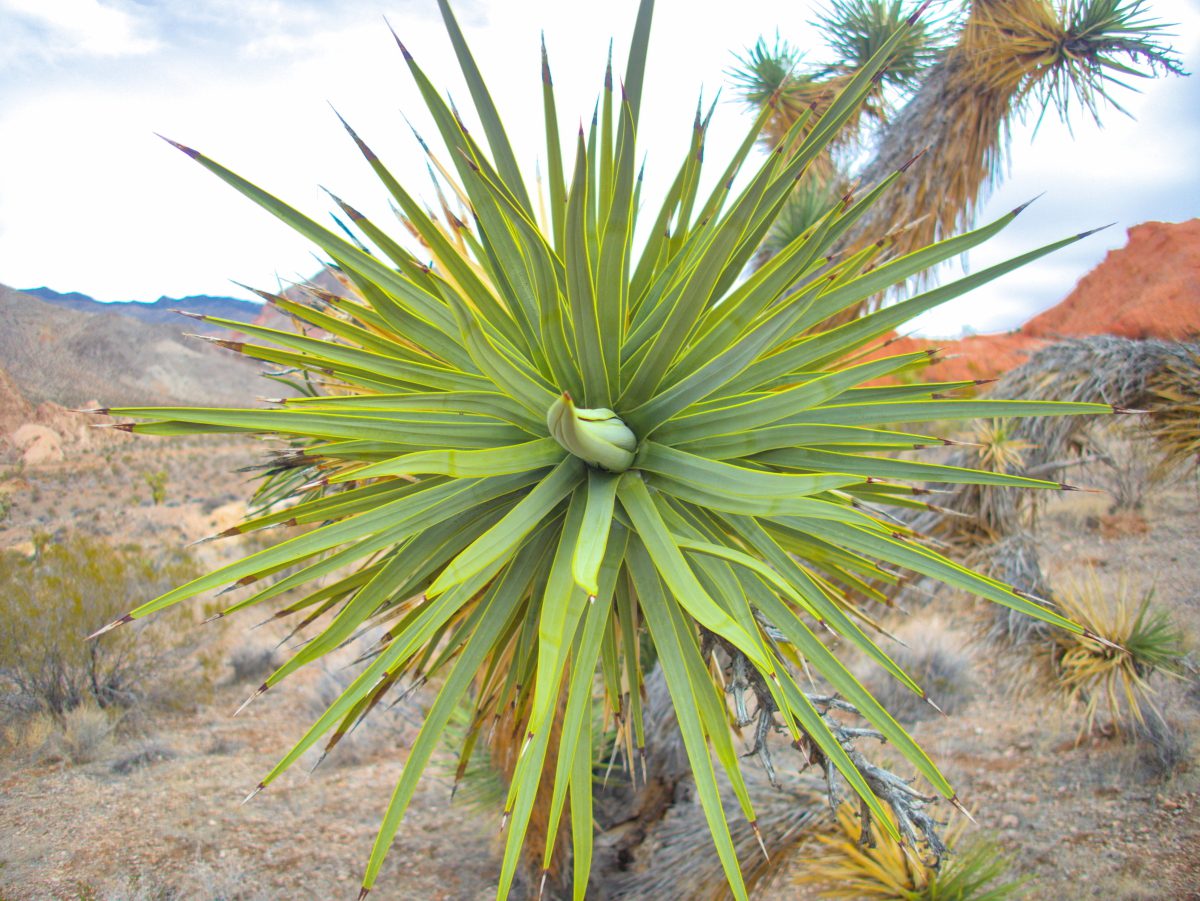
Gold Butte is administered by the BLM and was designated a national monument in 2016, protecting about 300,000 acres of the Mojave Desert. There is enough here to keep you busy for weeks, and we just scratched the surface being there about three days.
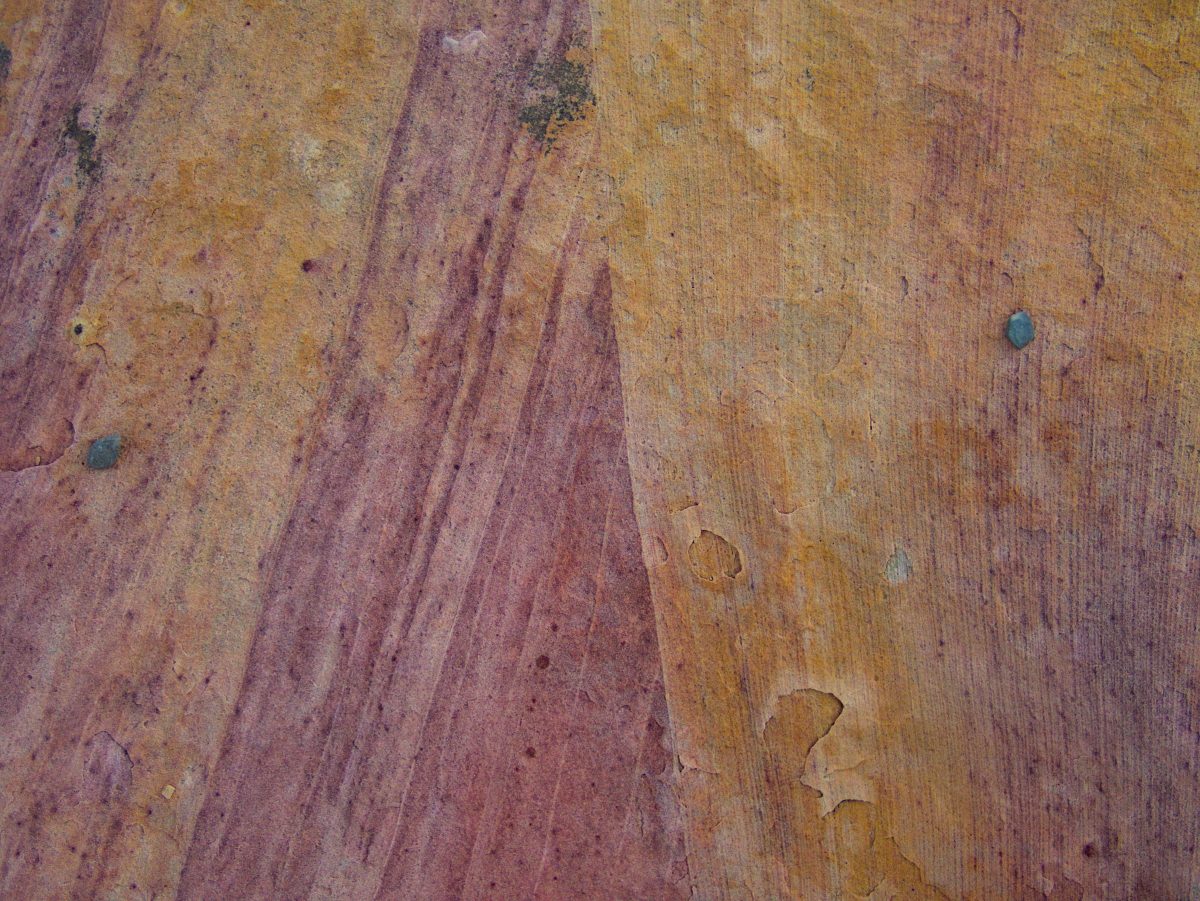
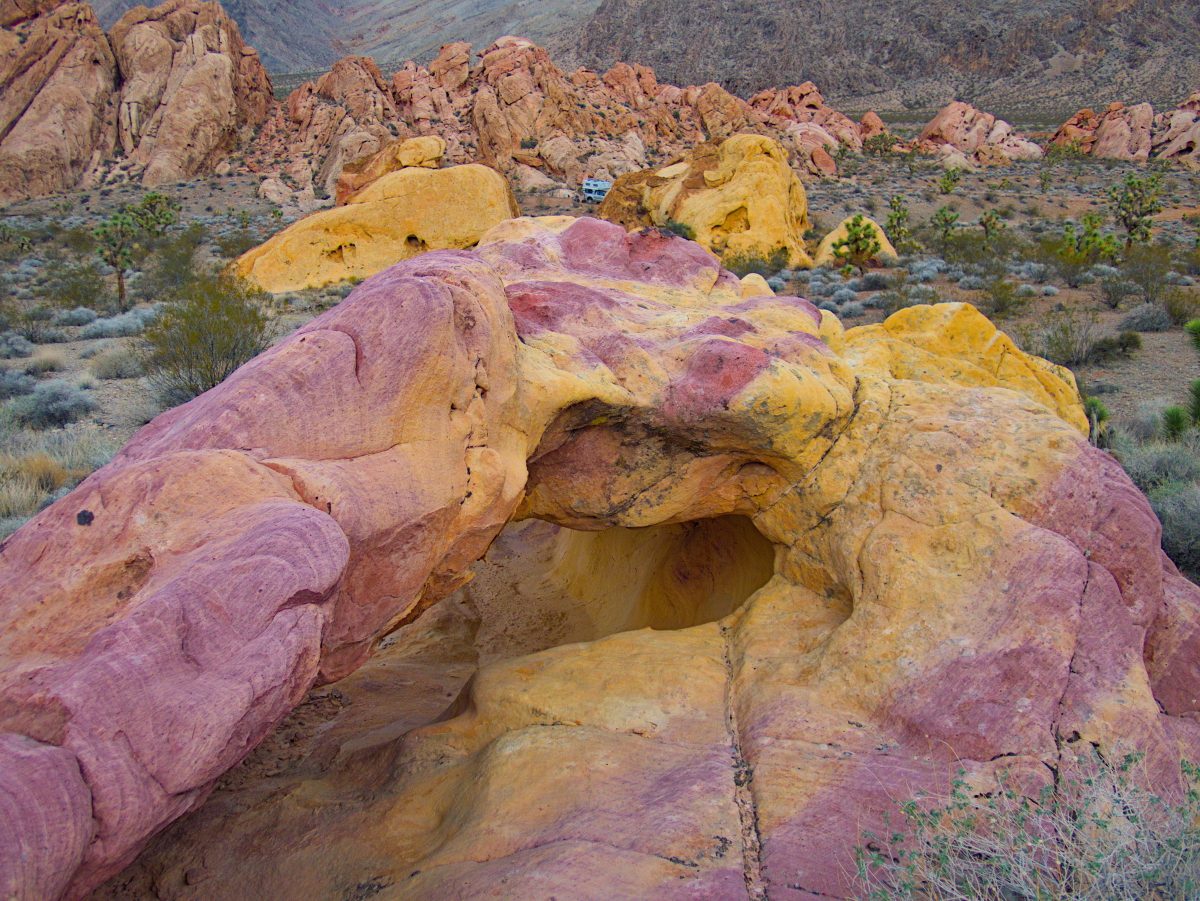
Our first night was spent at Whitney Pocket and we headed out on a morning walk to take in the colorful sandstone.
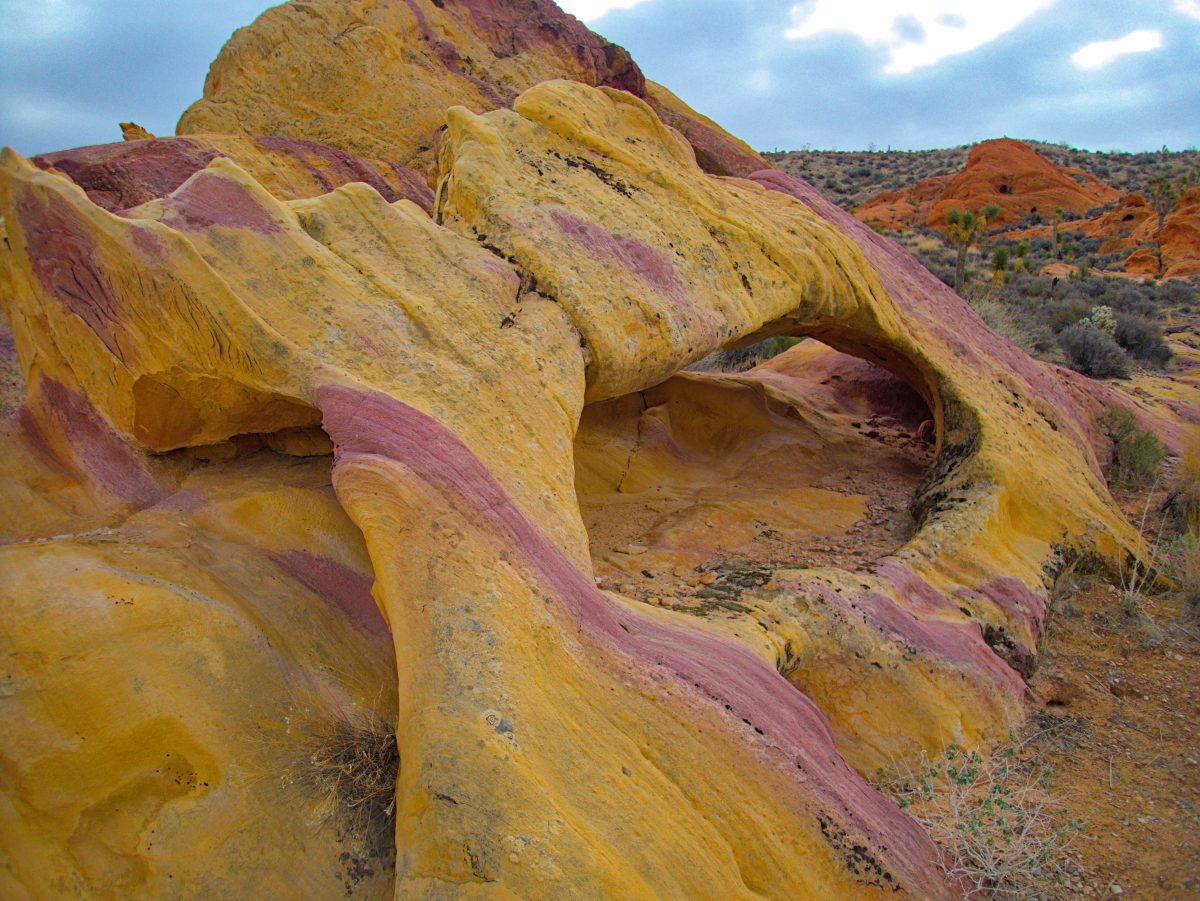
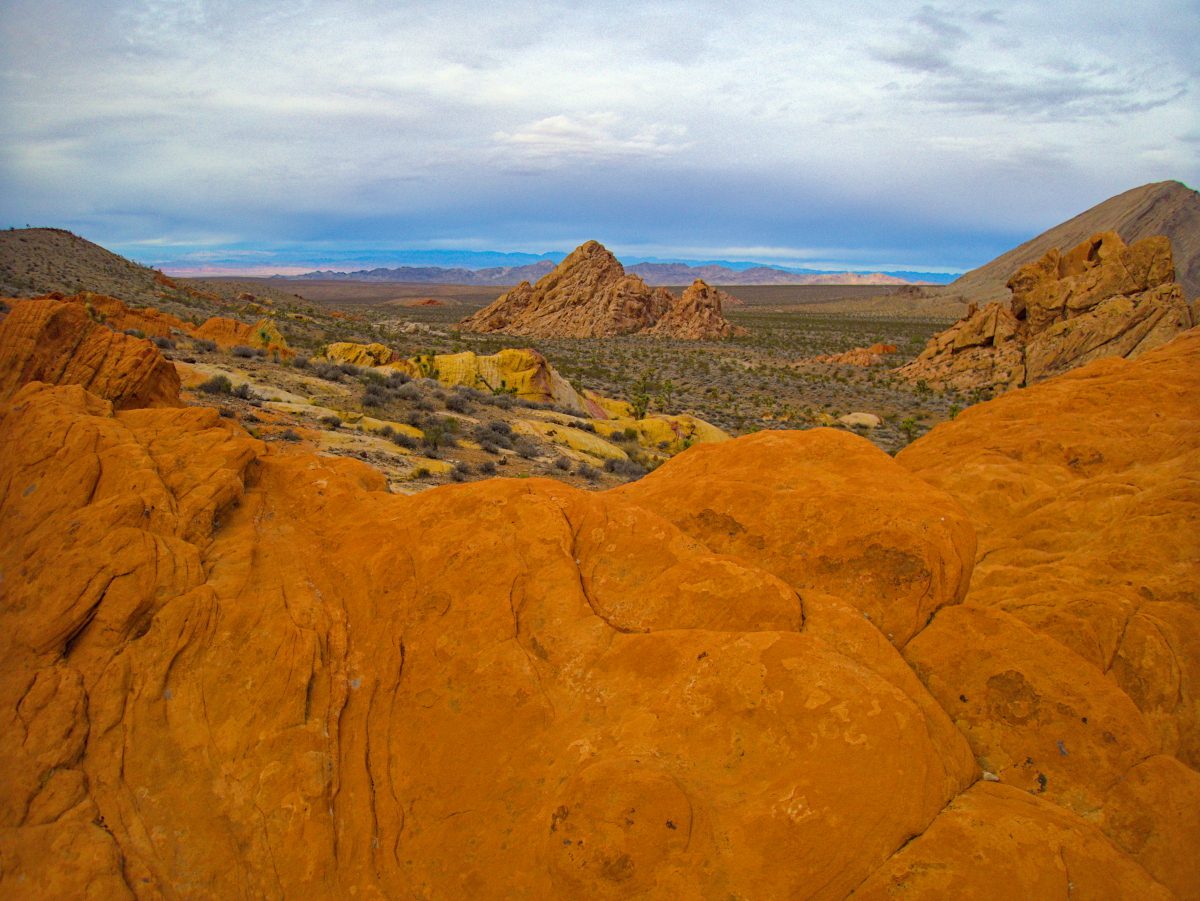
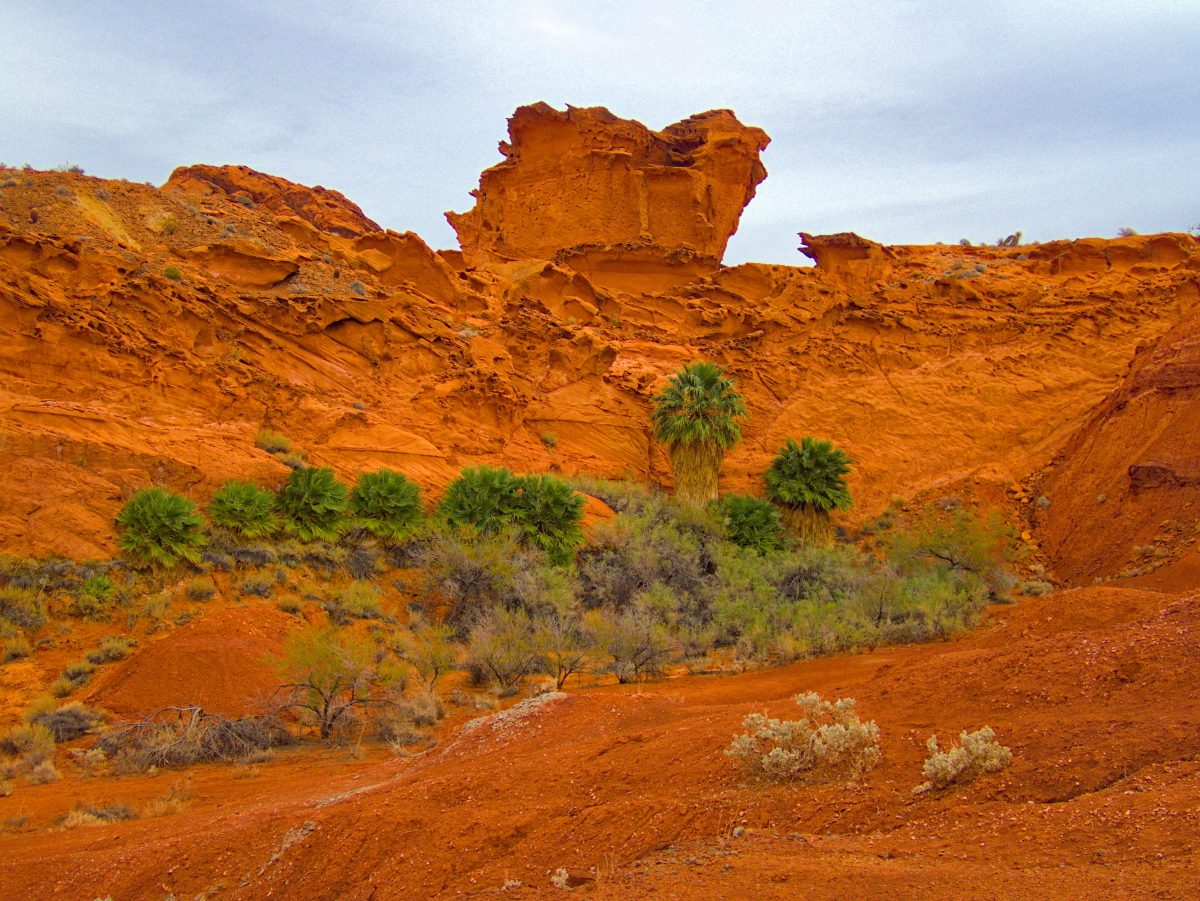
Since Gold Butte was a relatively last minute decision for a destination, we didn’t have much of a plan. We had a few spots on the map. The nearest one was Little Finland, so we headed there to see what we could find. On our walk in we found a spring that had enough water to keep palm trees alive.
And then we discovered a wonderland of sandstone.
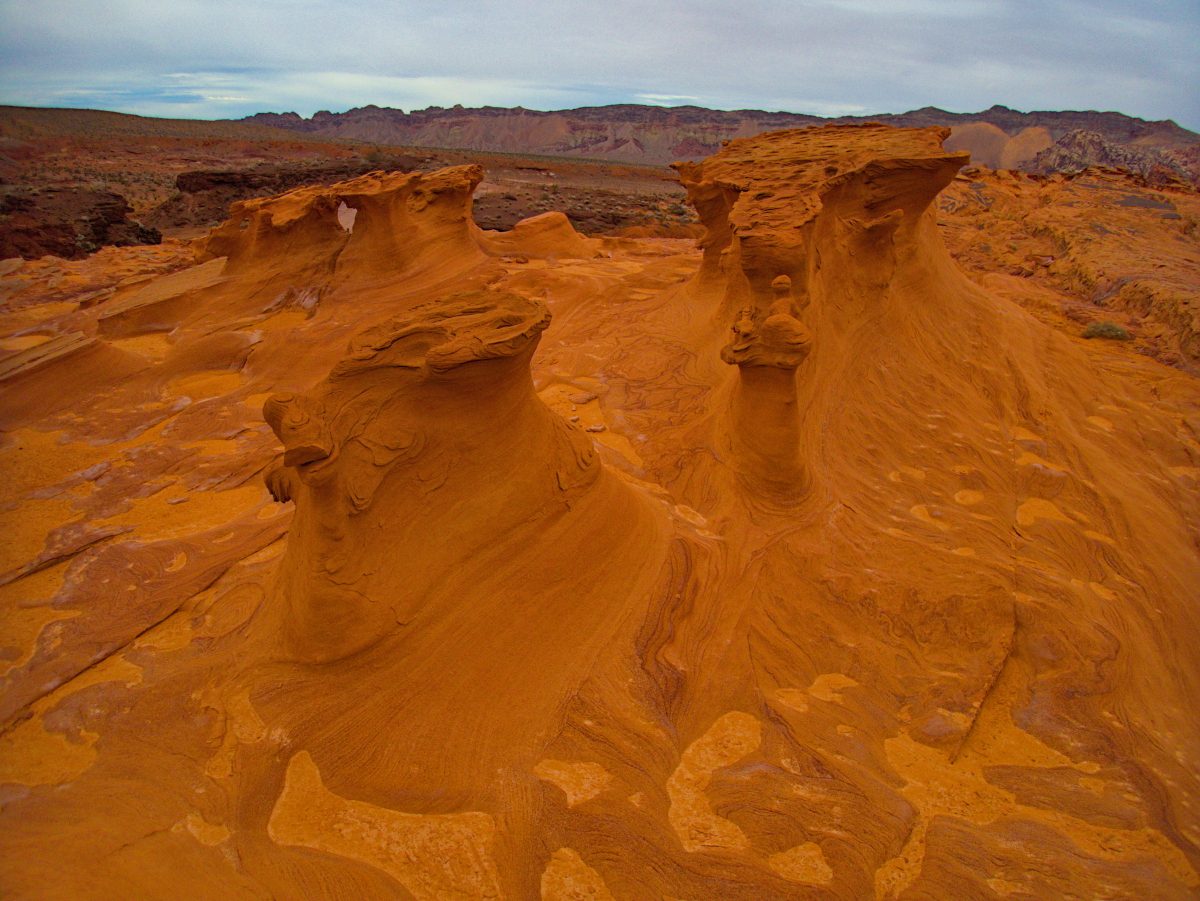
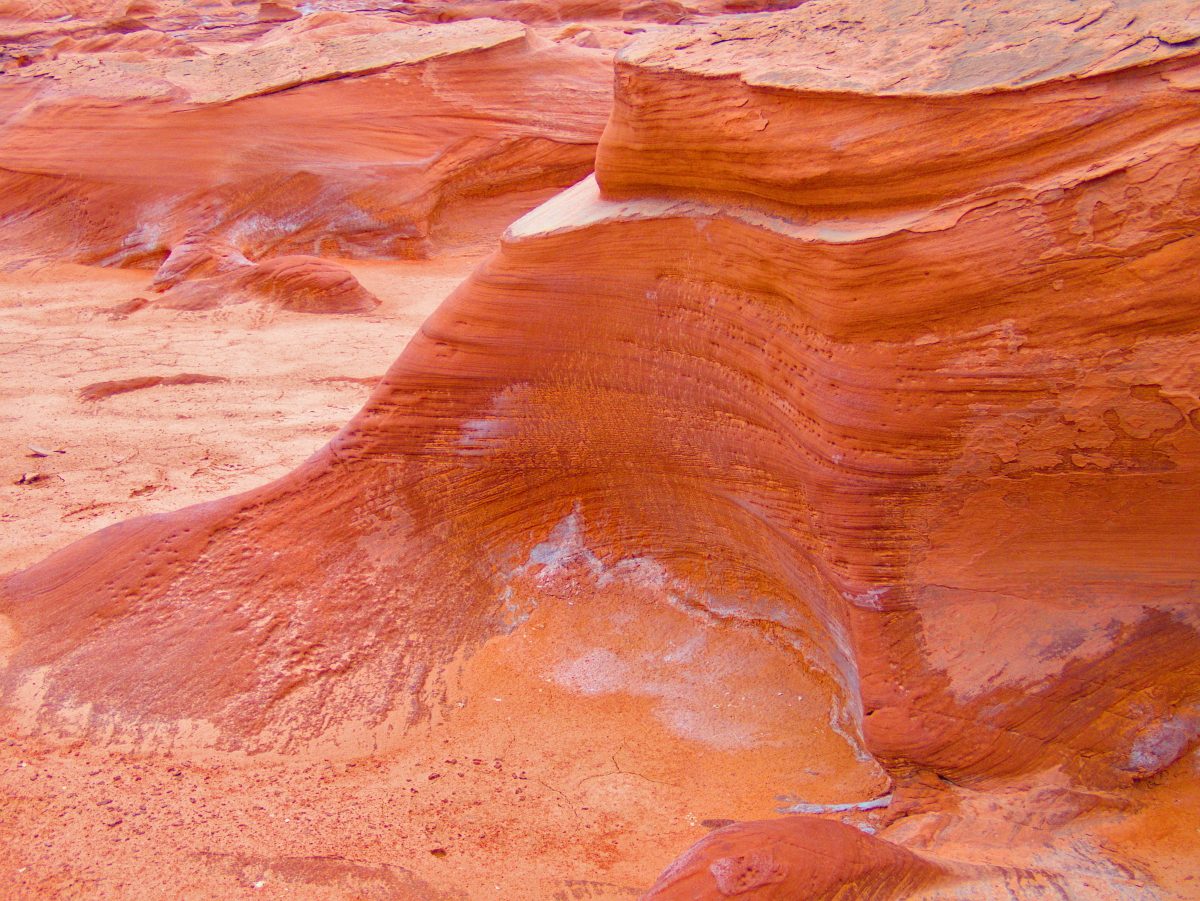
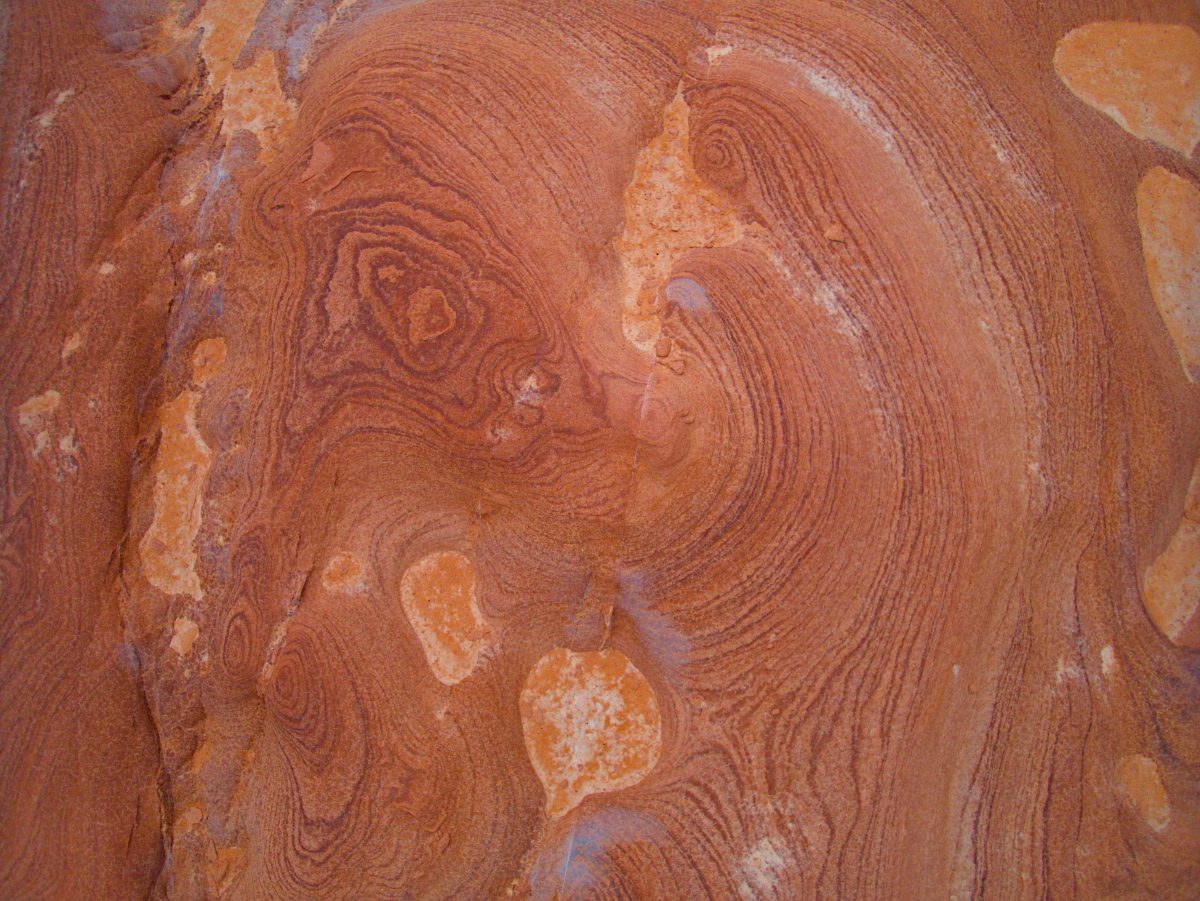
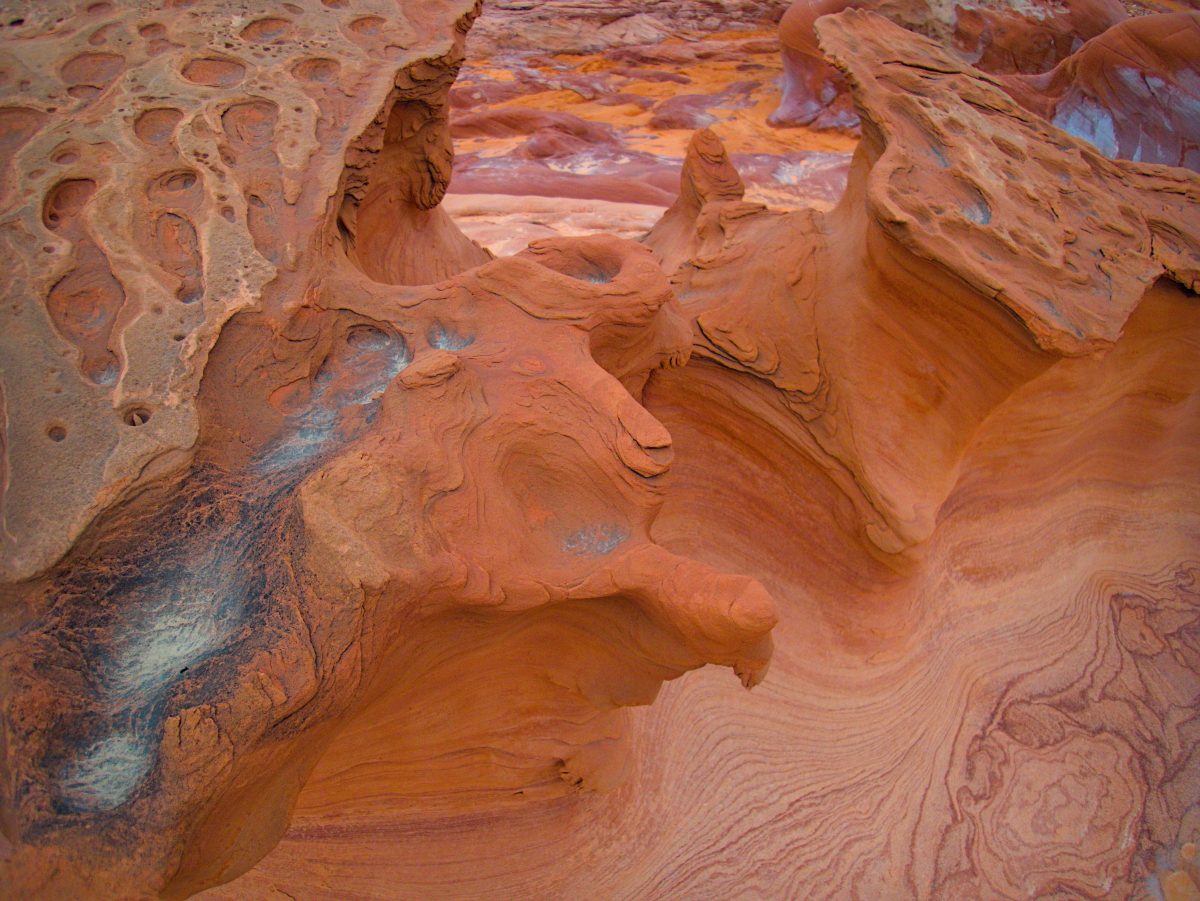
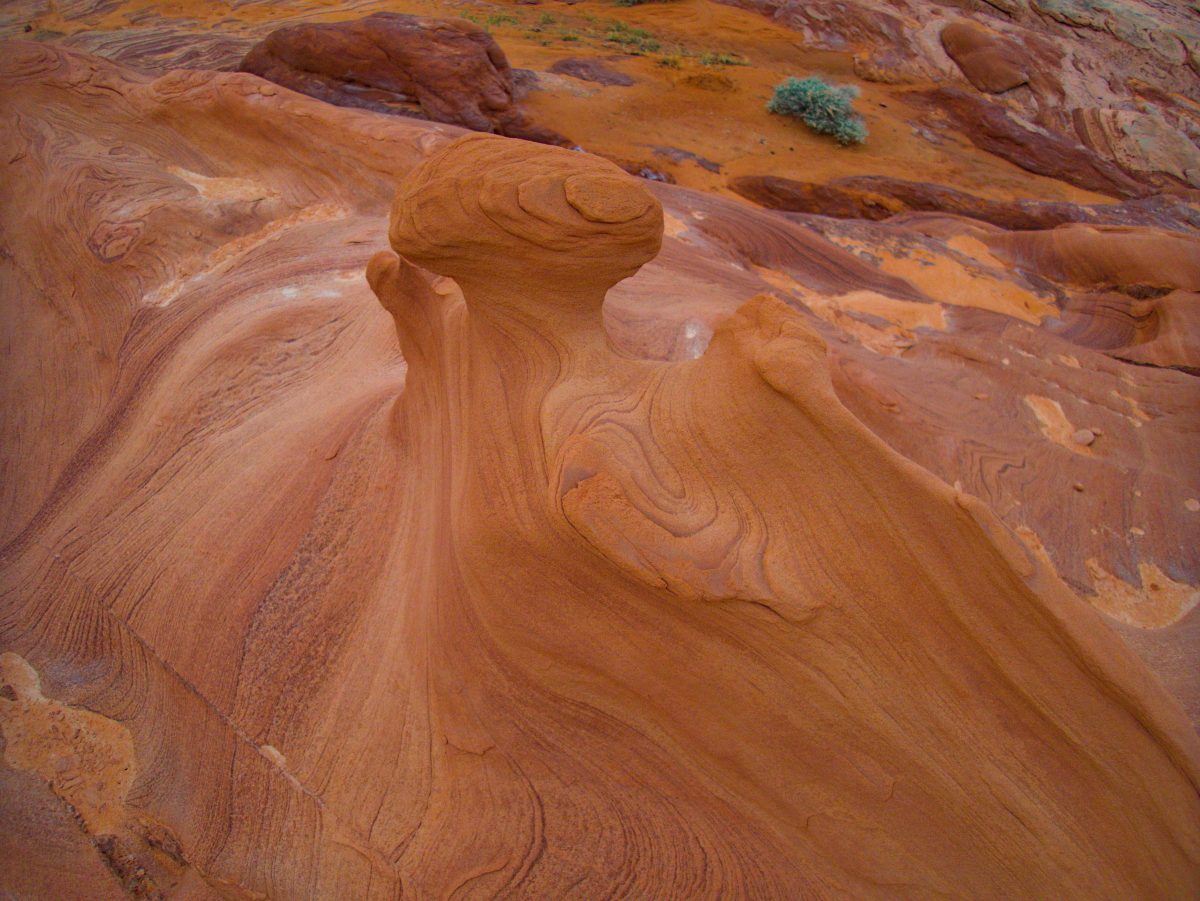
We wandered Little Finland for an hour or two.
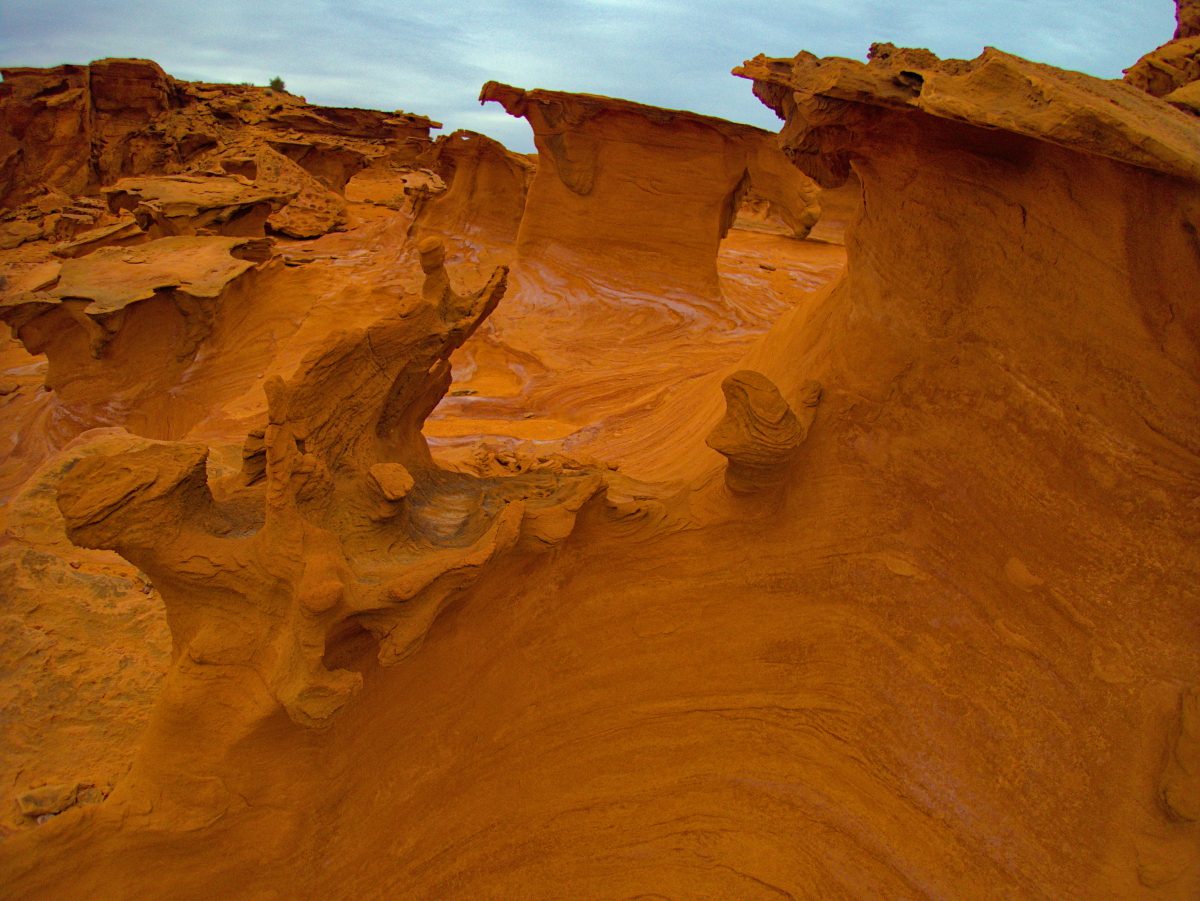
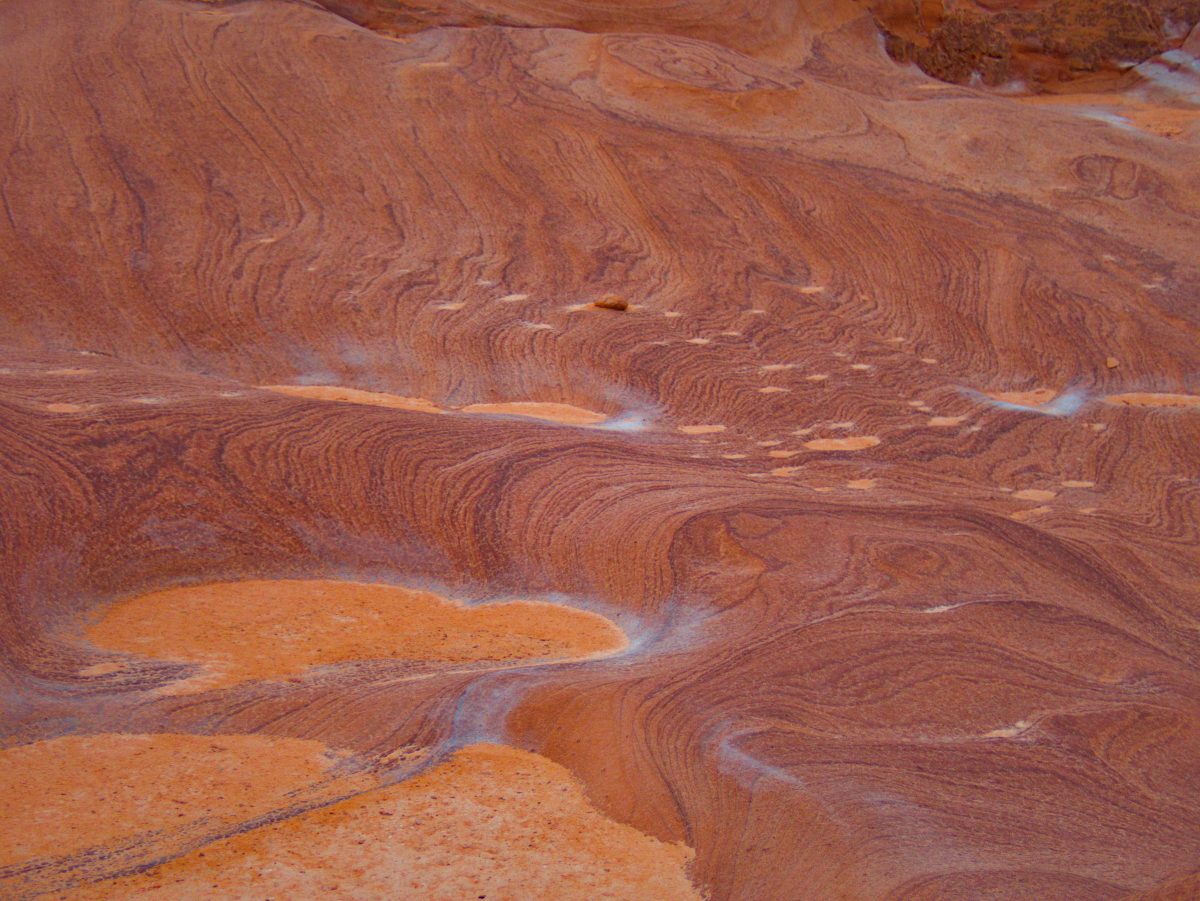
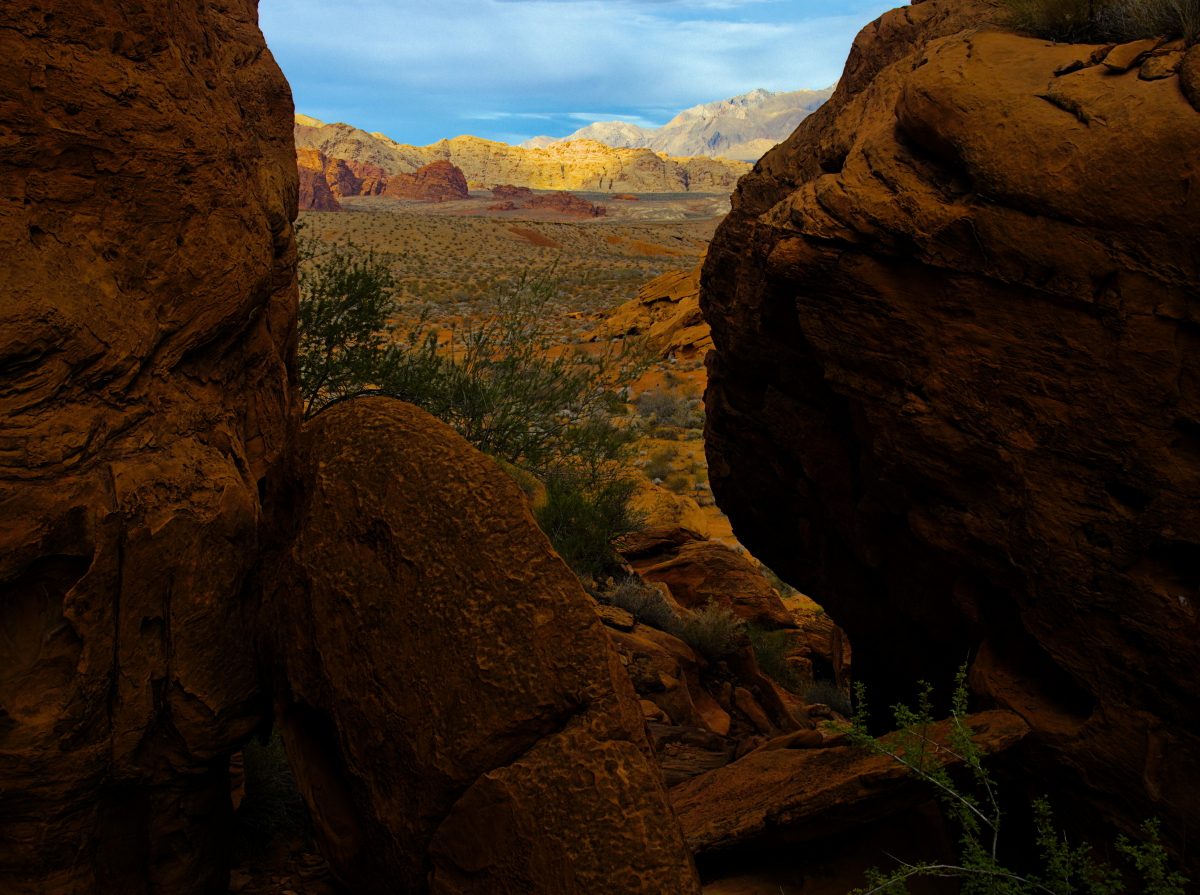
After Little Finland we we picked a road that took us in the direction on our next waypoint on the map. It turned out we were roughly following the Gold Butte backcountry byway in reverse, as we started to note the route markers with descending mile markers. Our next stop was the Seven Keyholes Slot Canyon. I think you’ll pick up where it got its name.
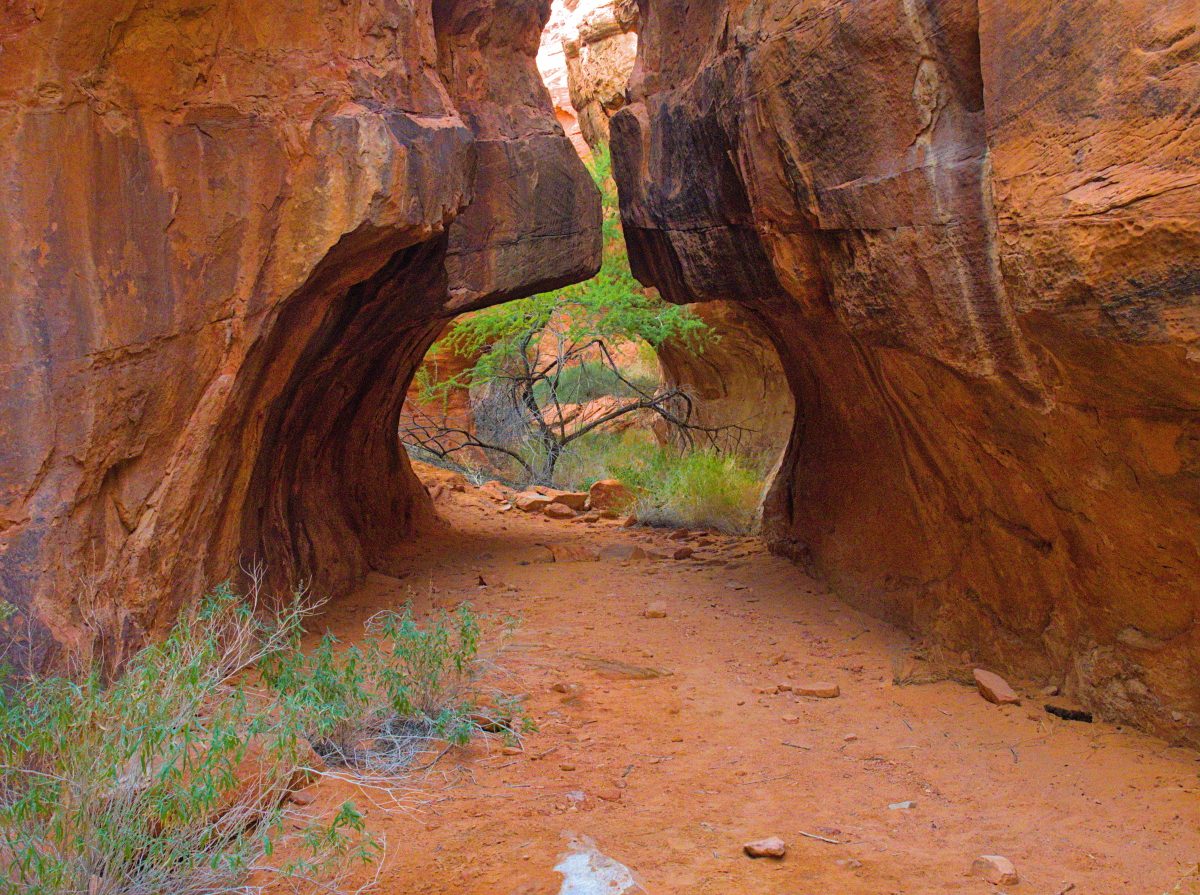
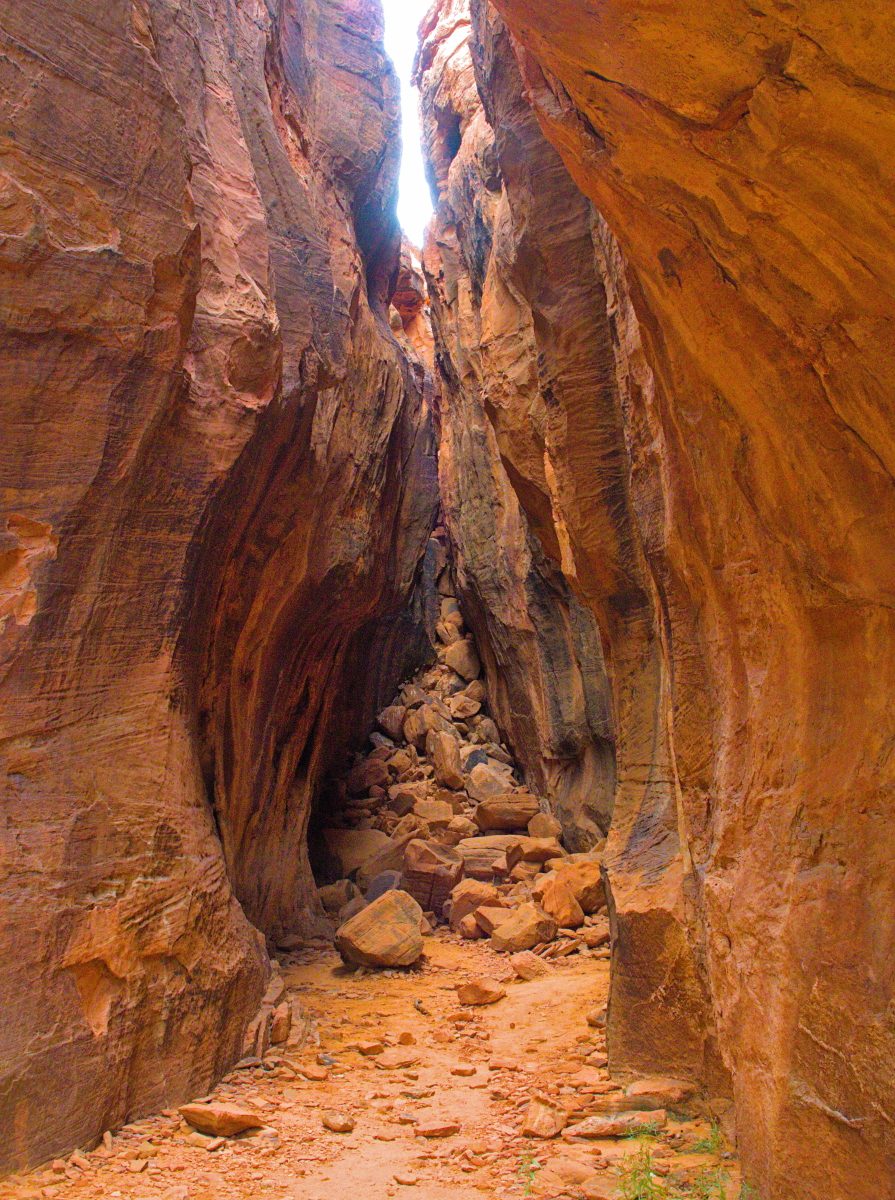
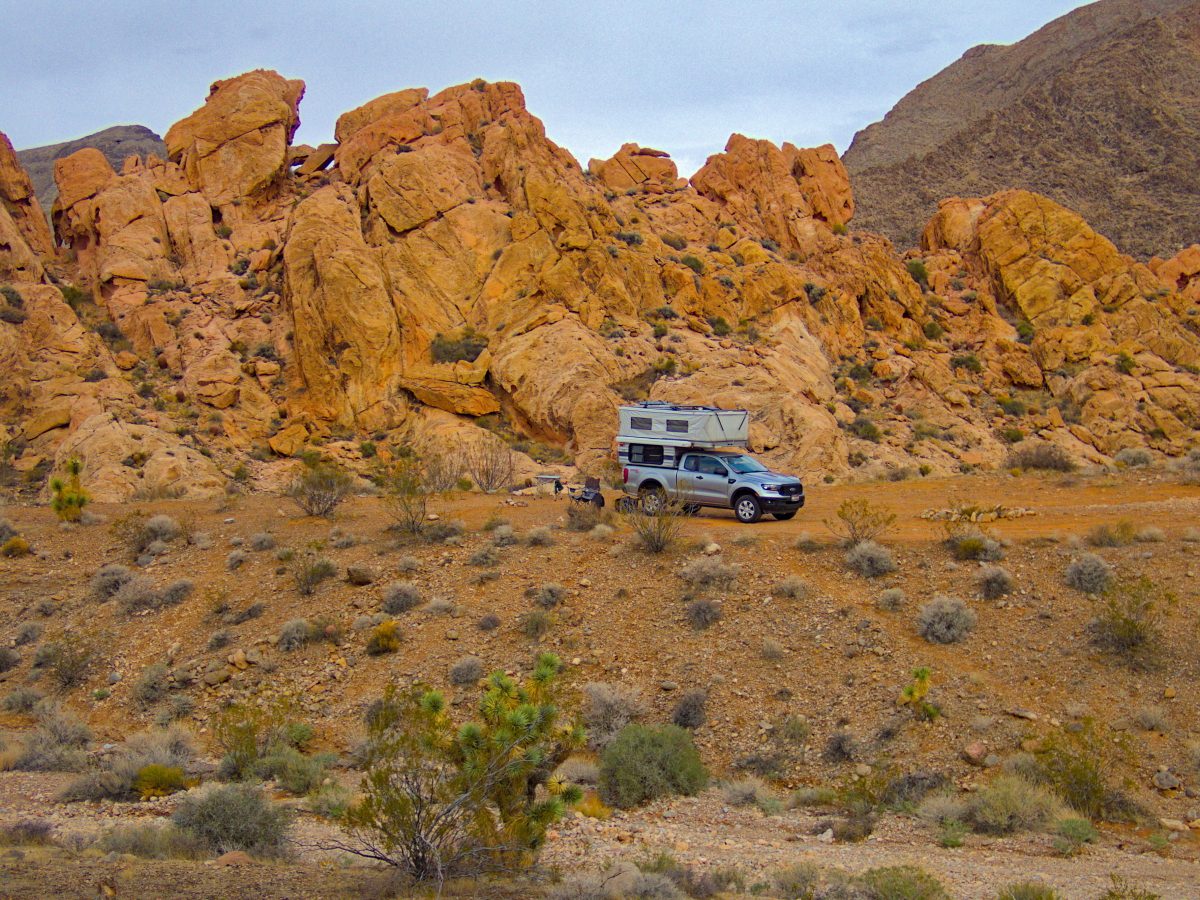
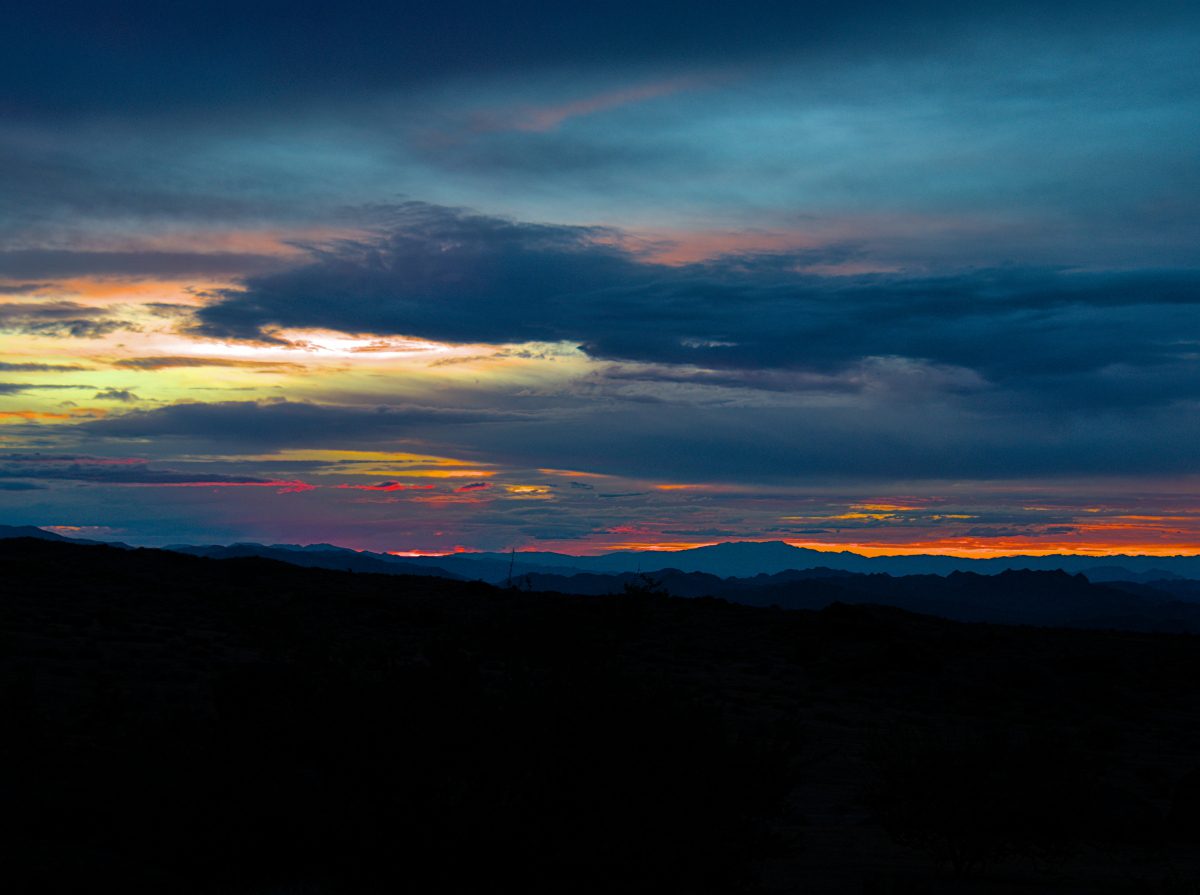
I think I have noted on this blog before how short day length is in the fall. Let me just reiterate, the days are sure short as you reach the end of November. Before we knew it the sun was reaching toward the horizon so we found a spot to spend the night near Gold Butte, and got camp set up as the stellar sunset turned to darkness.
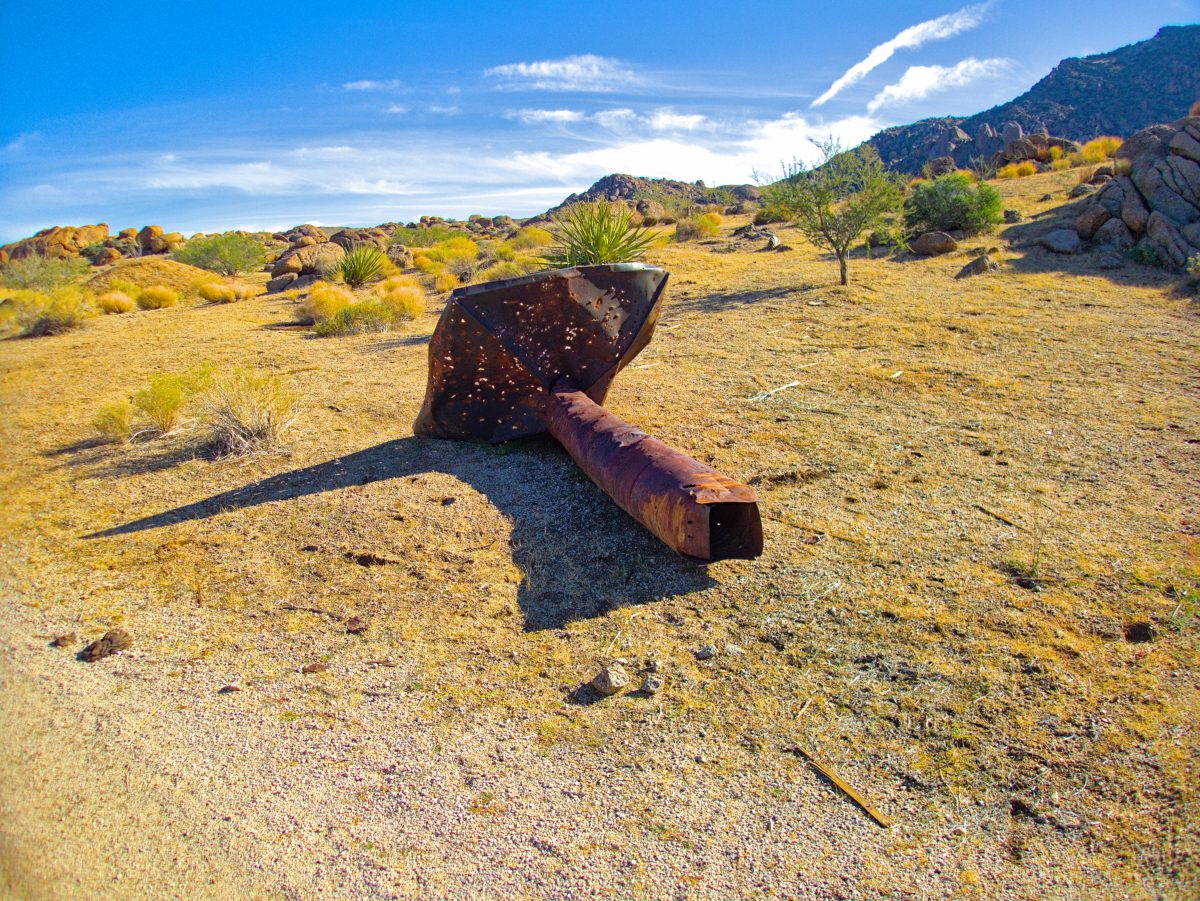
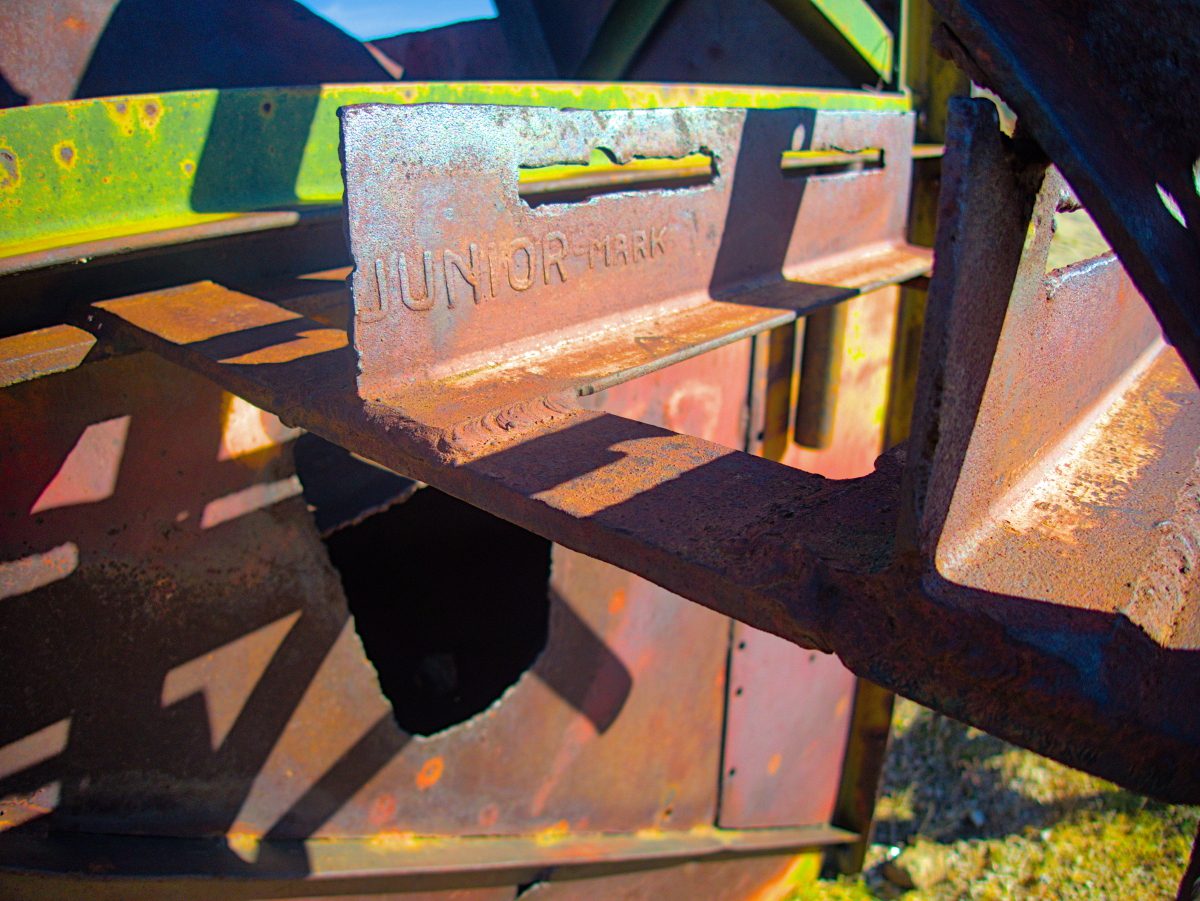
Since we were so close, we started the next day with some exploration of the Gold Butte townsite and mining district. All that is left today is some abandoned equipment, a few mining shafts and lot of tin cans.
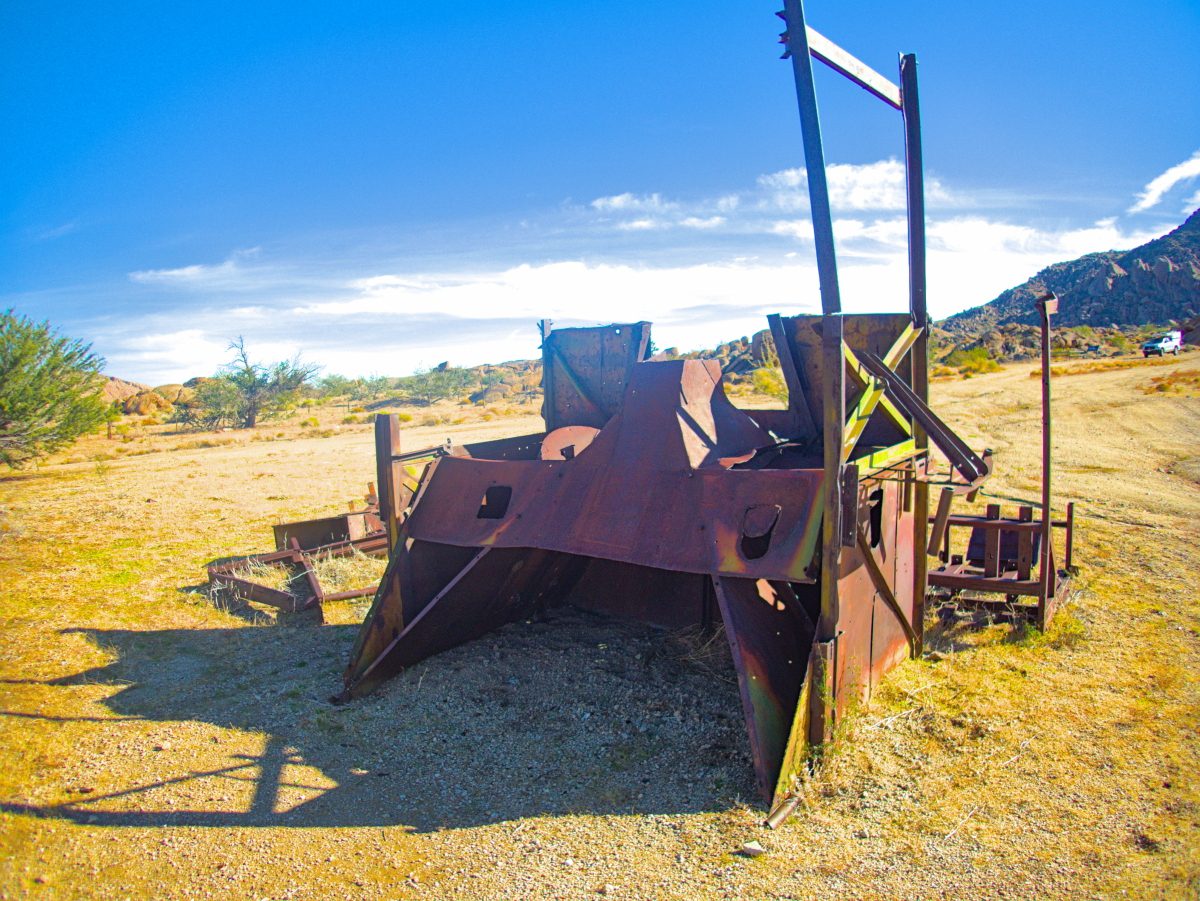
We continued our tour,
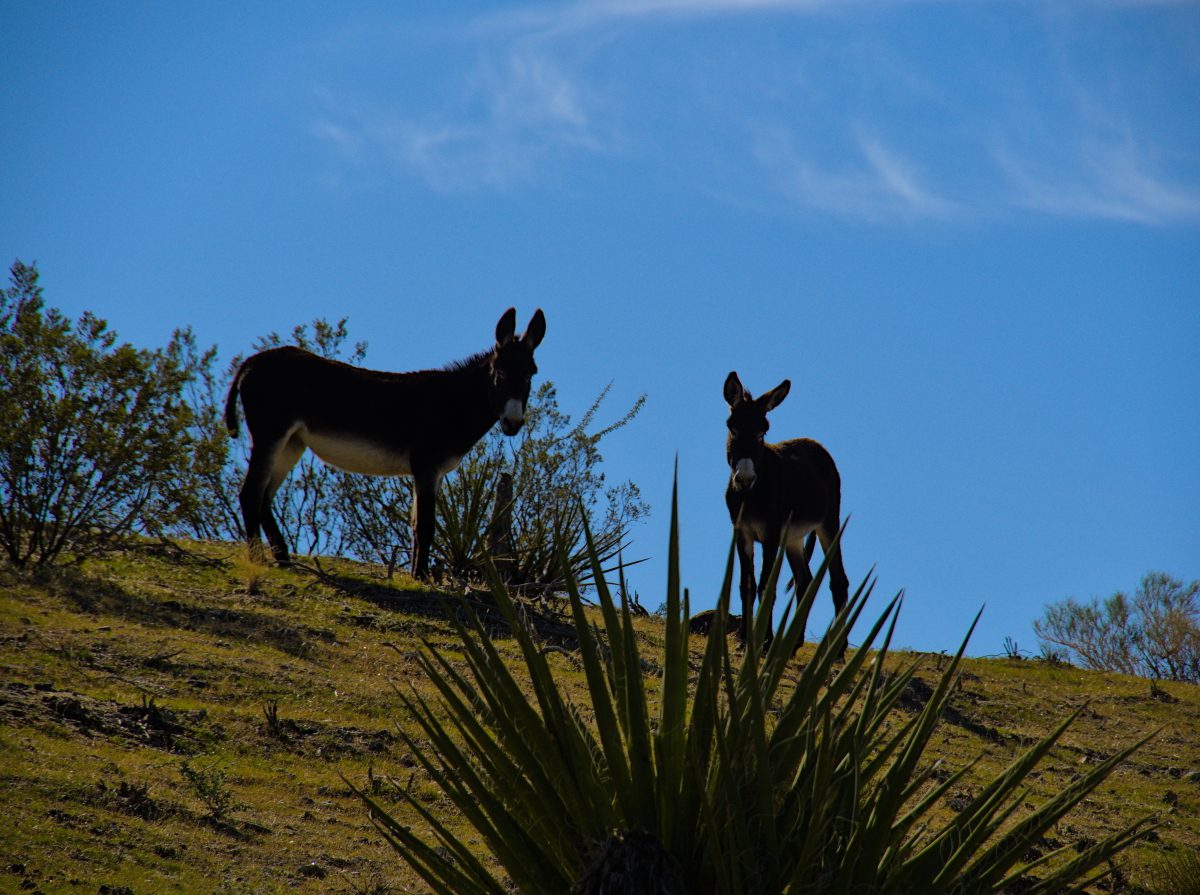
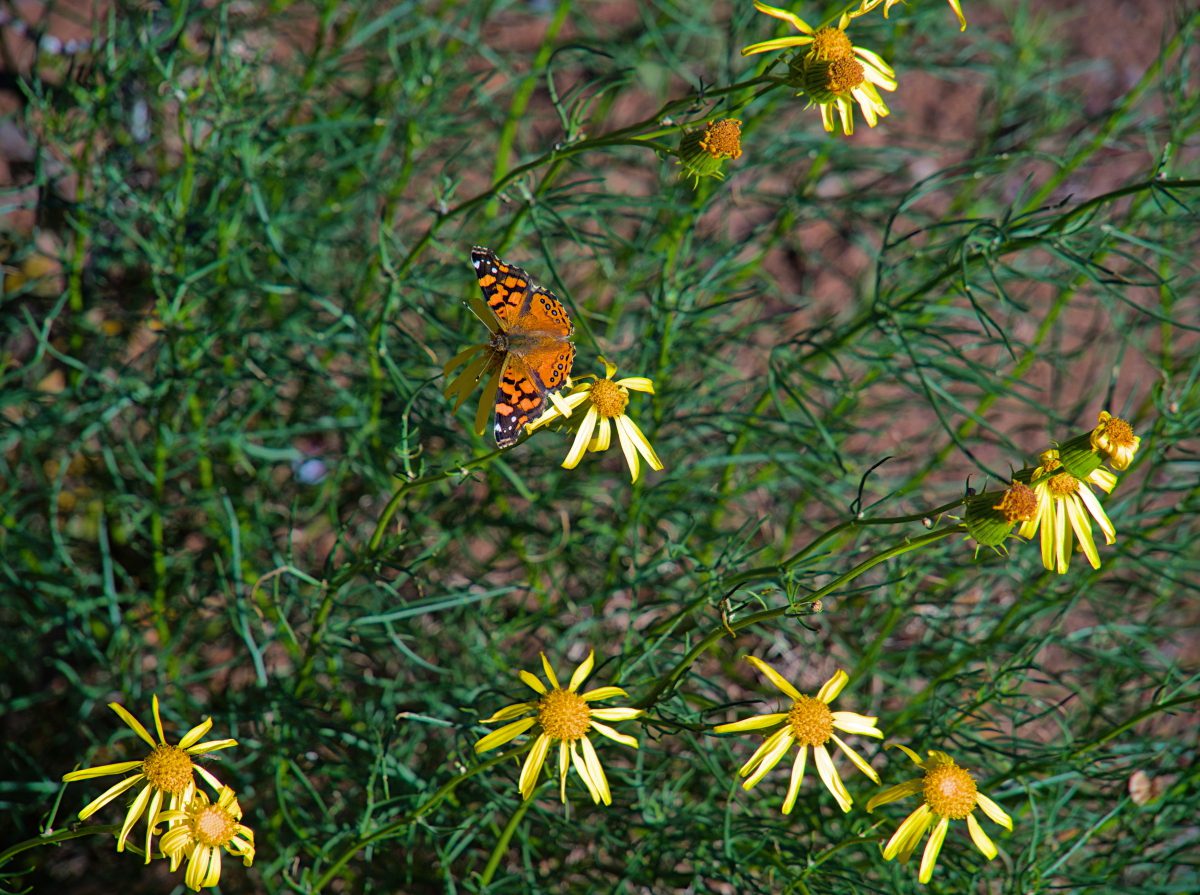
After a morning of rough roads we settled in at Grapevine Spring for our next camp. Surprisingly, the pond at the spring actually had water in it.
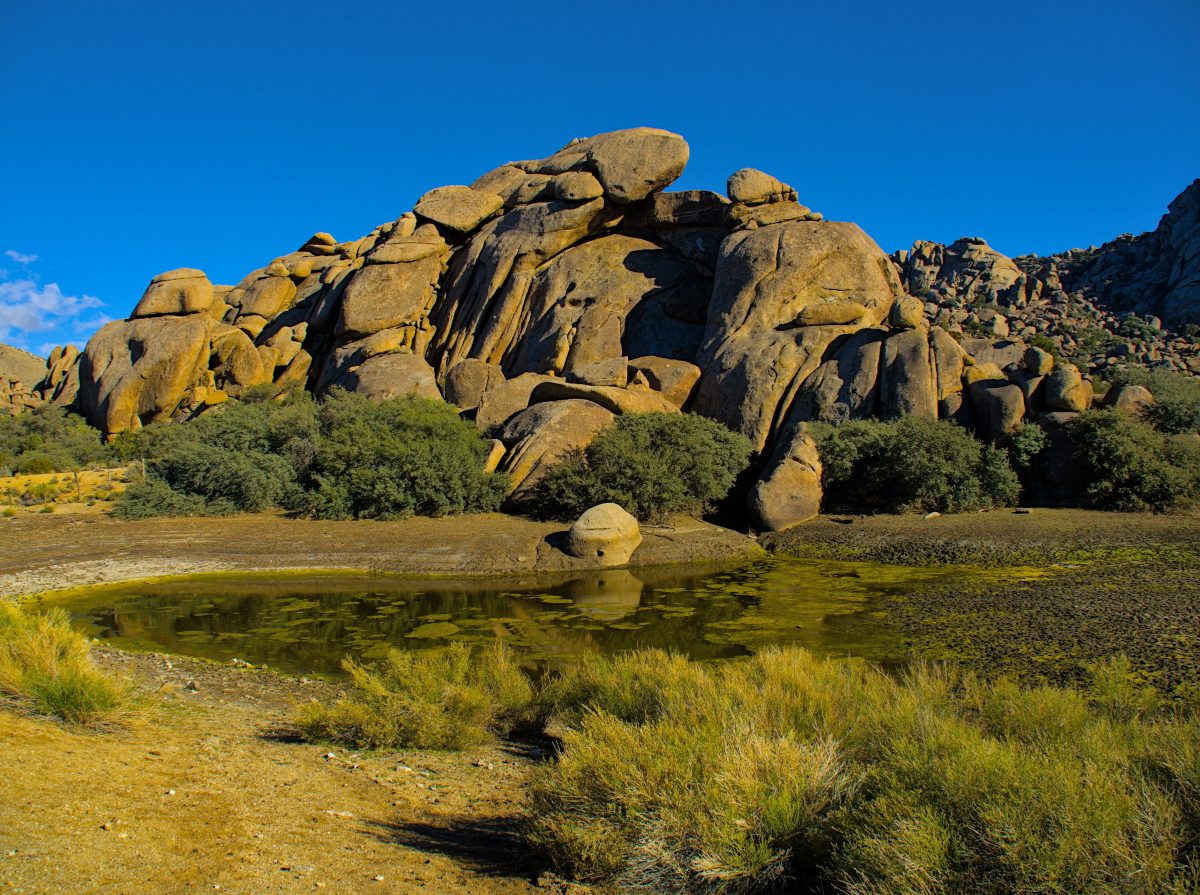
A bit higher in elevation, the vegetation had changed to oak and pinyon. With the boulders making up the mountains it served as a good spot to wander around a bit and then sit back and relax in the sun for an afternoon. This is my kind of November weather.
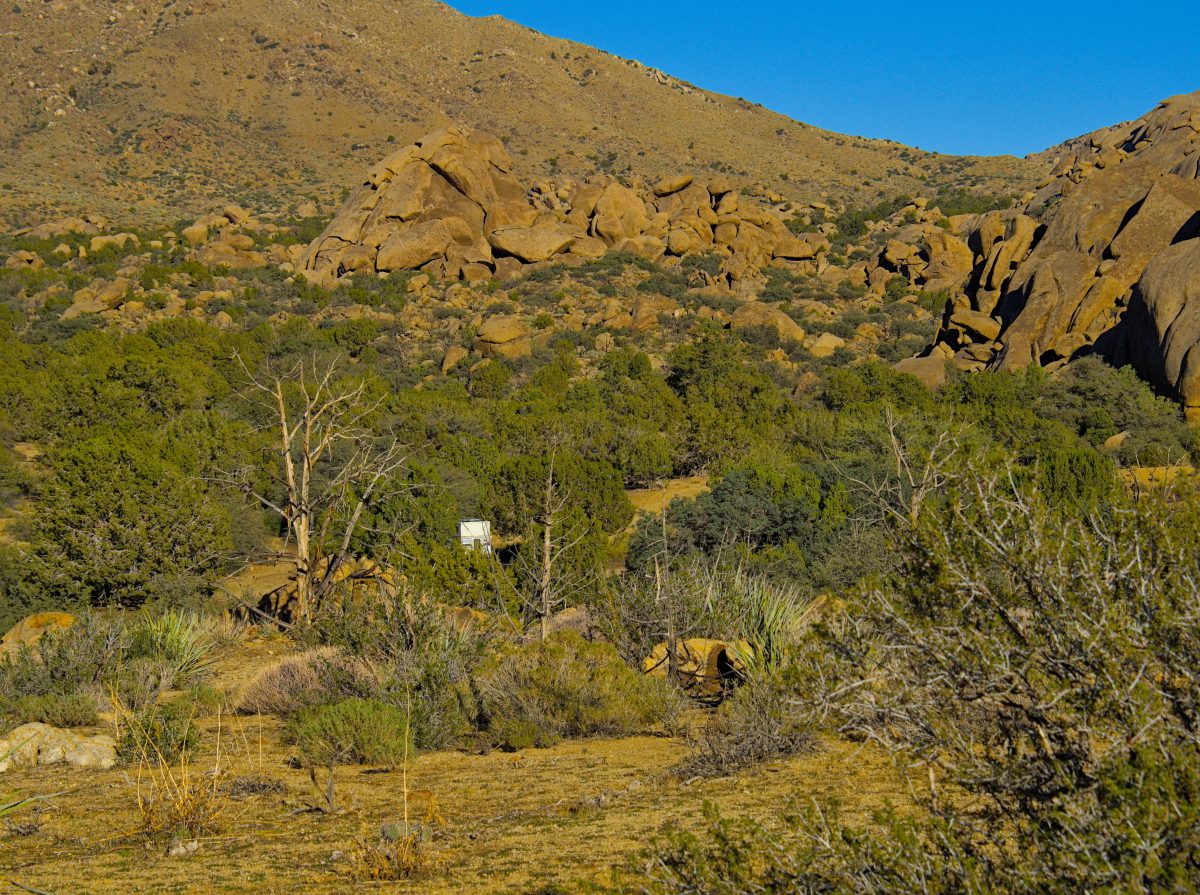
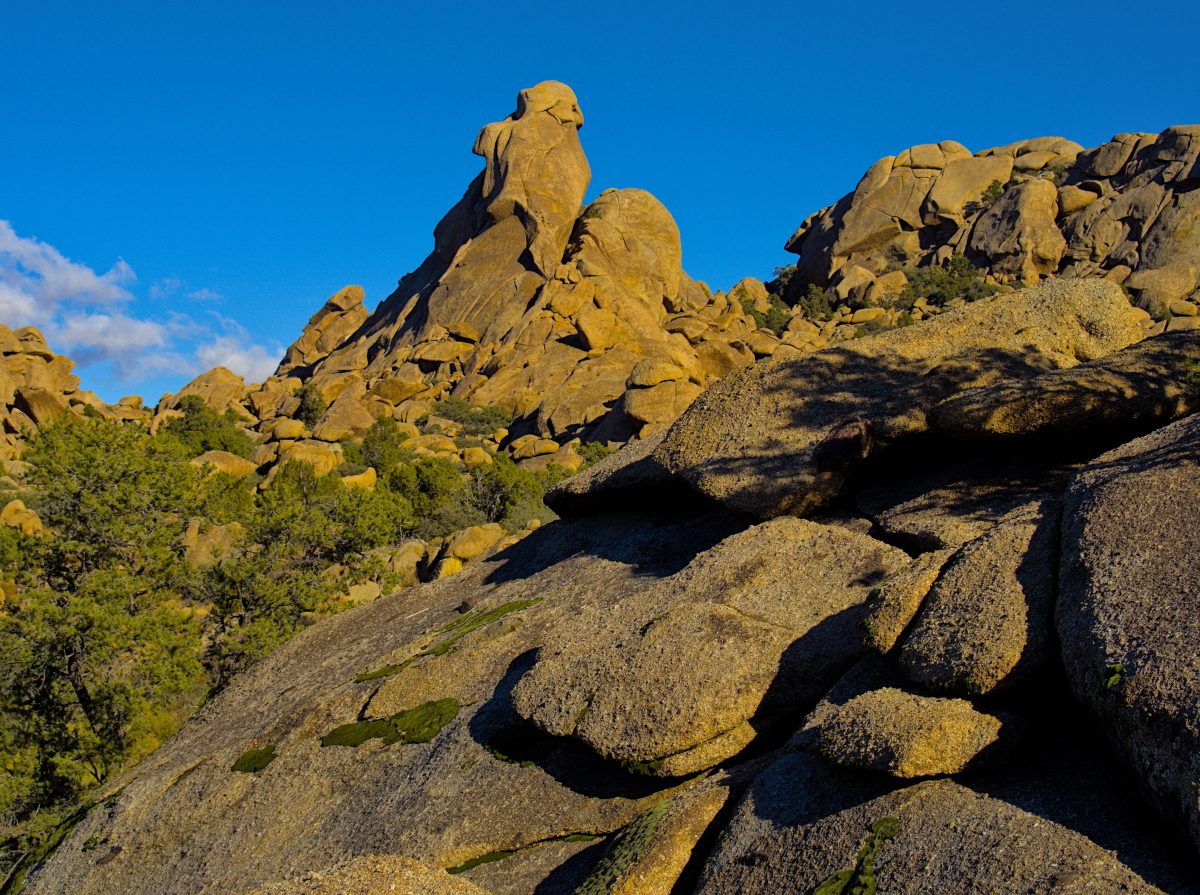
The next day was our final one at Gold Butte. We originally intended to move east to Arizona, but questionable road conditions and a dwindling gas gauge ended up steering us back to where we started and we spent one more night at Whitney Pocket before moving on to our next destination, the White Pocket in Arizona. Overall, a pretty good first stop on our fall tour of the Southwest.
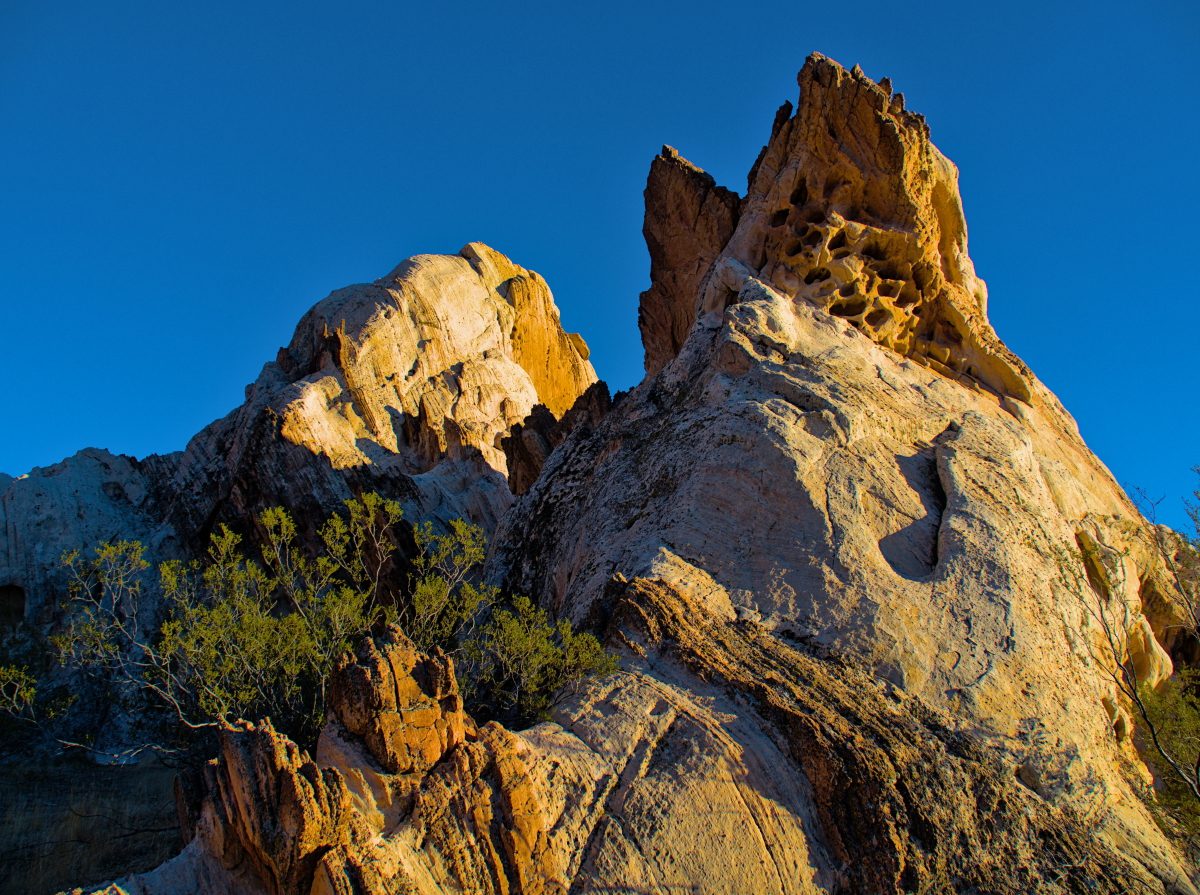
“The most important thing you have to do is turn the key. Turn the key, and you’ll be absolutely surprised at what you can do. It’s the moment you stop talking [and start doing], the symbolic beginning of a new adventure” –Kingsley Holgate
Pingback: White Pocket, Arizona – Occidentalist